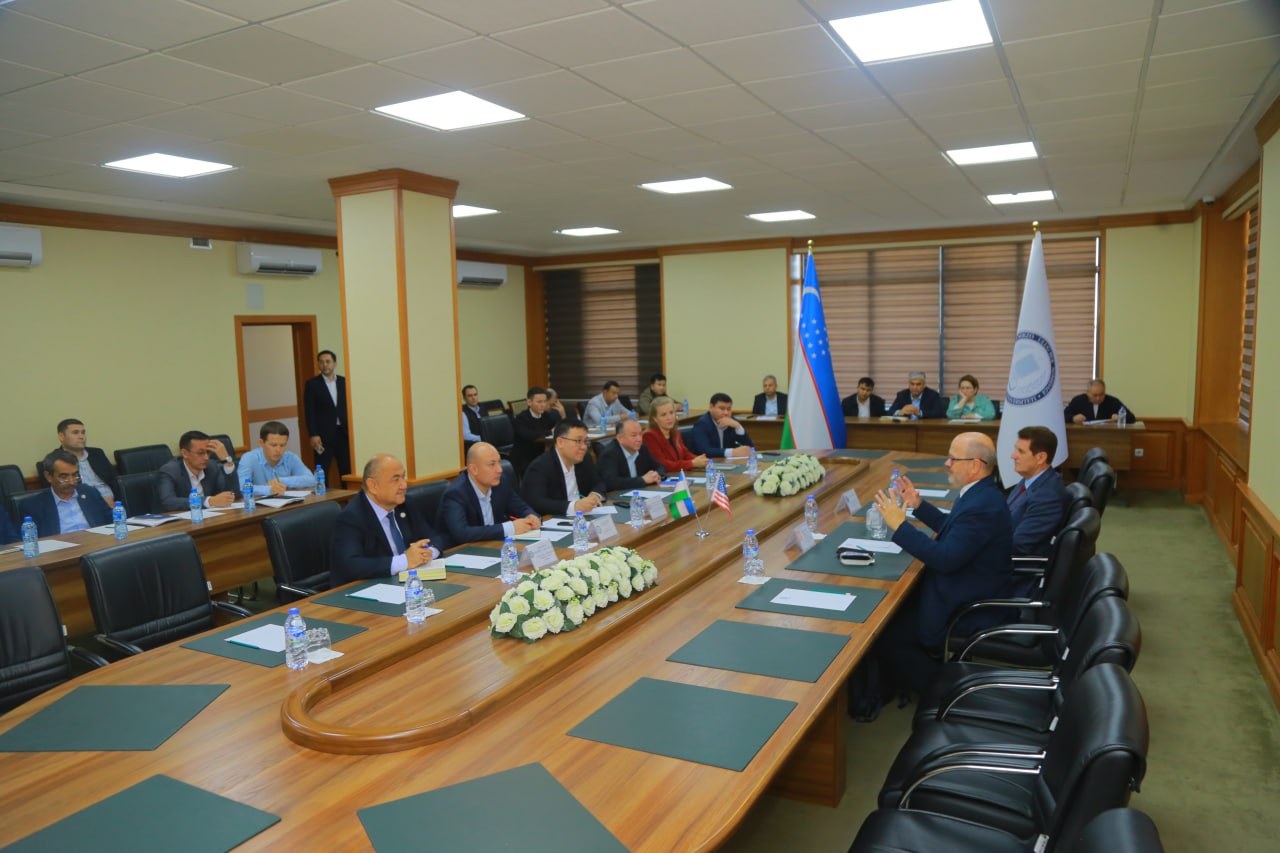
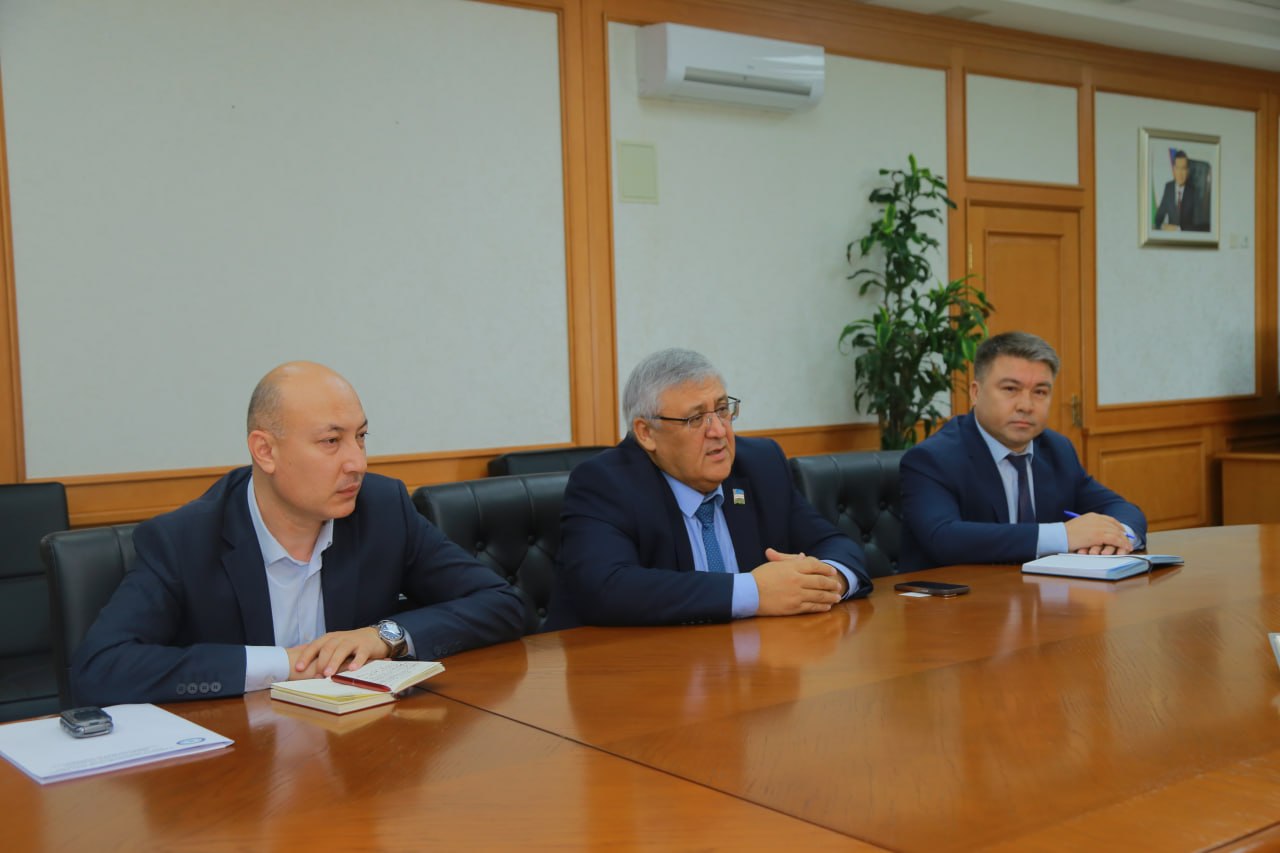
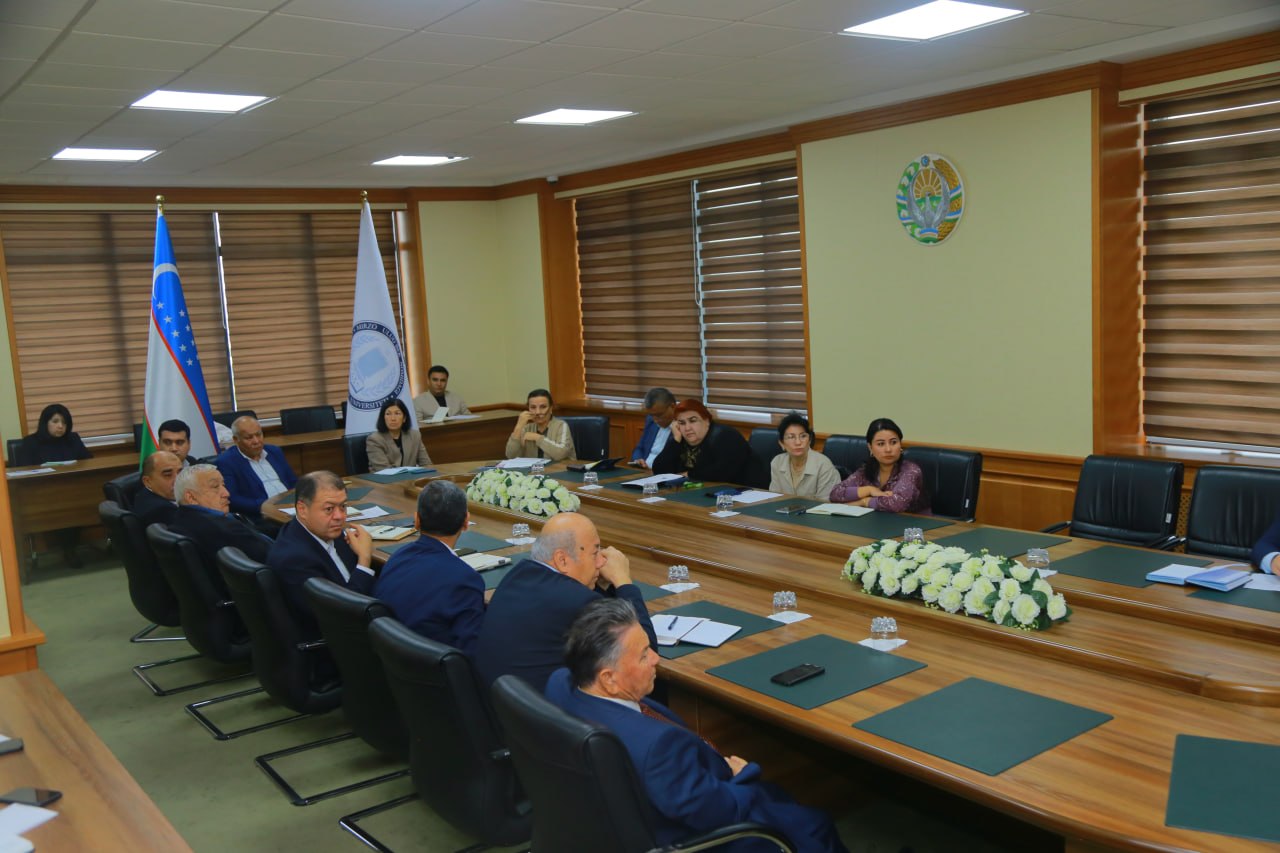
Сегодня, 4 июня, представители Сианьского университета иностранных языков, ведущего высшего учебного заведения Китайской Народной Республики, специализирующегося на языкознании, международных отношениях и гуманитарных науках, посетили Национальный университет Узбекистана.
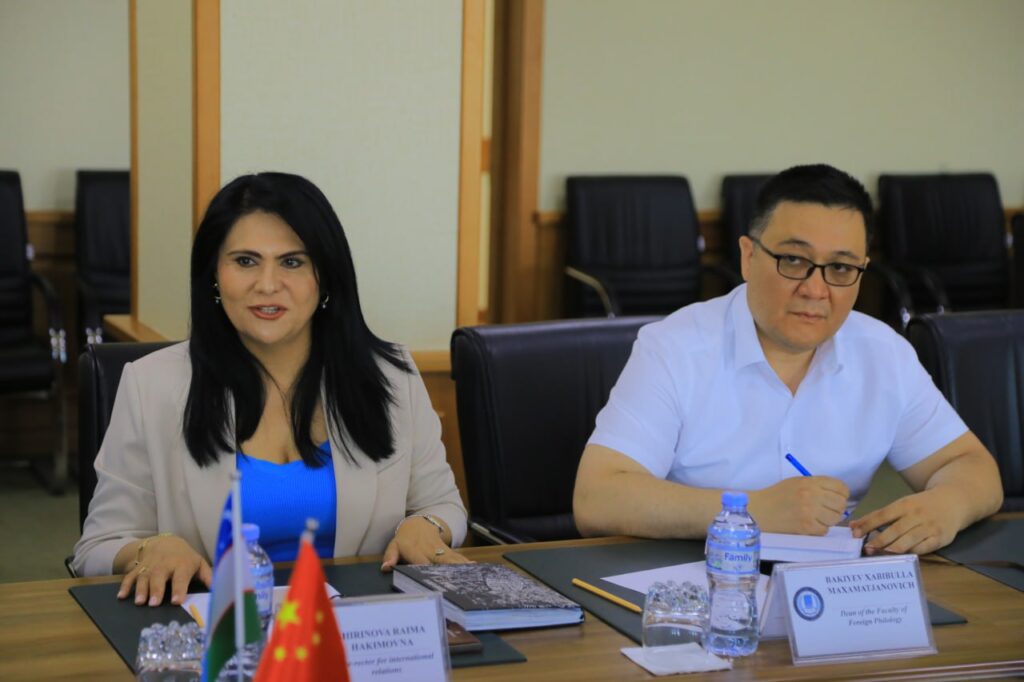
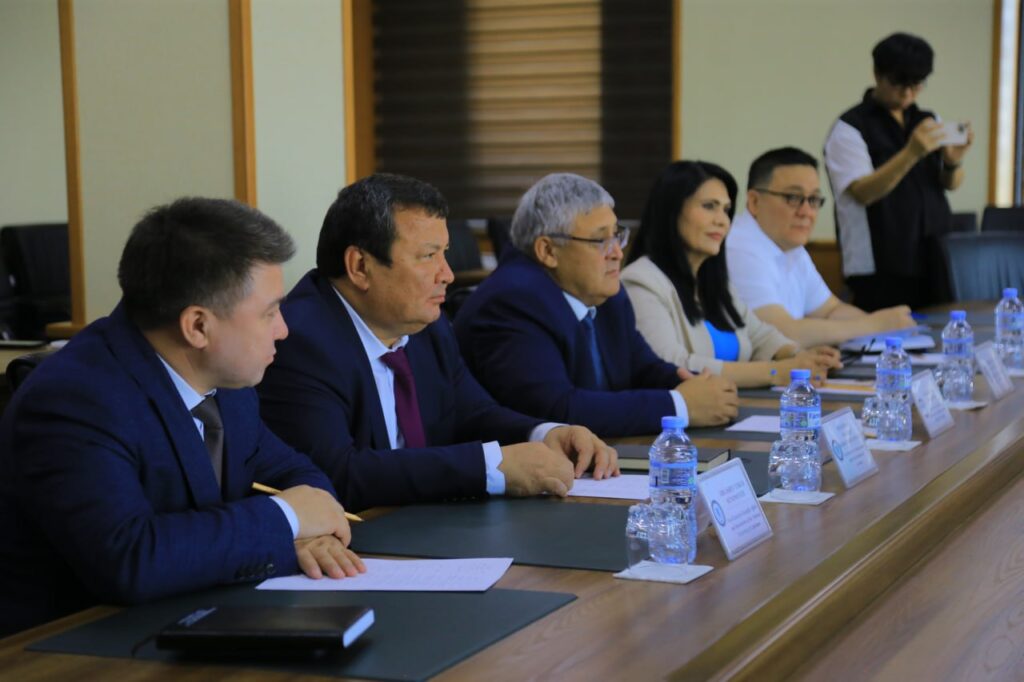
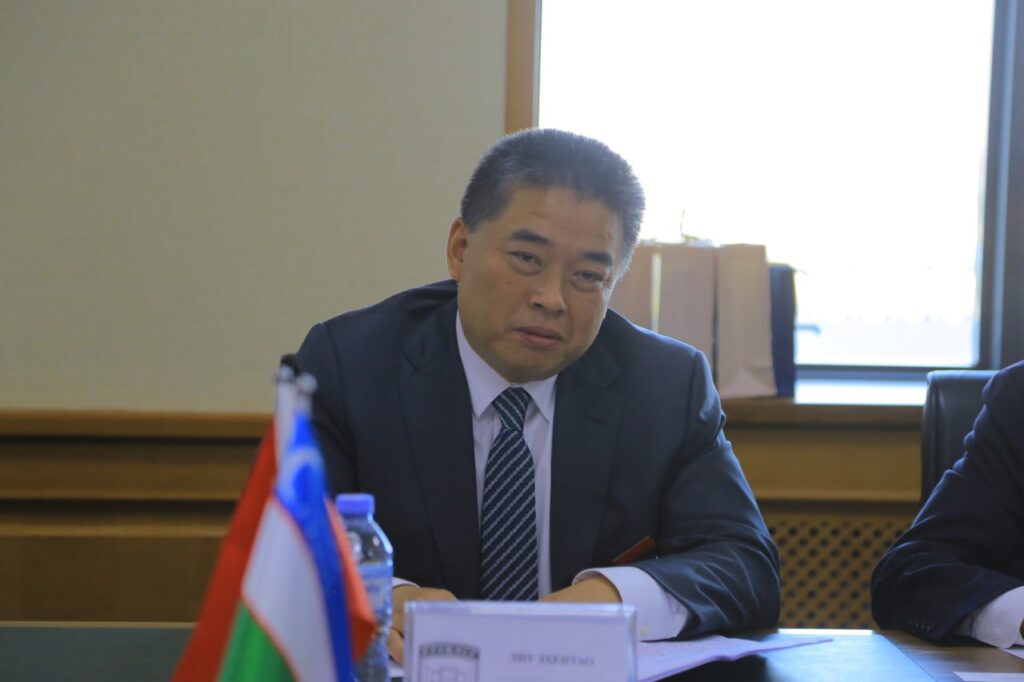
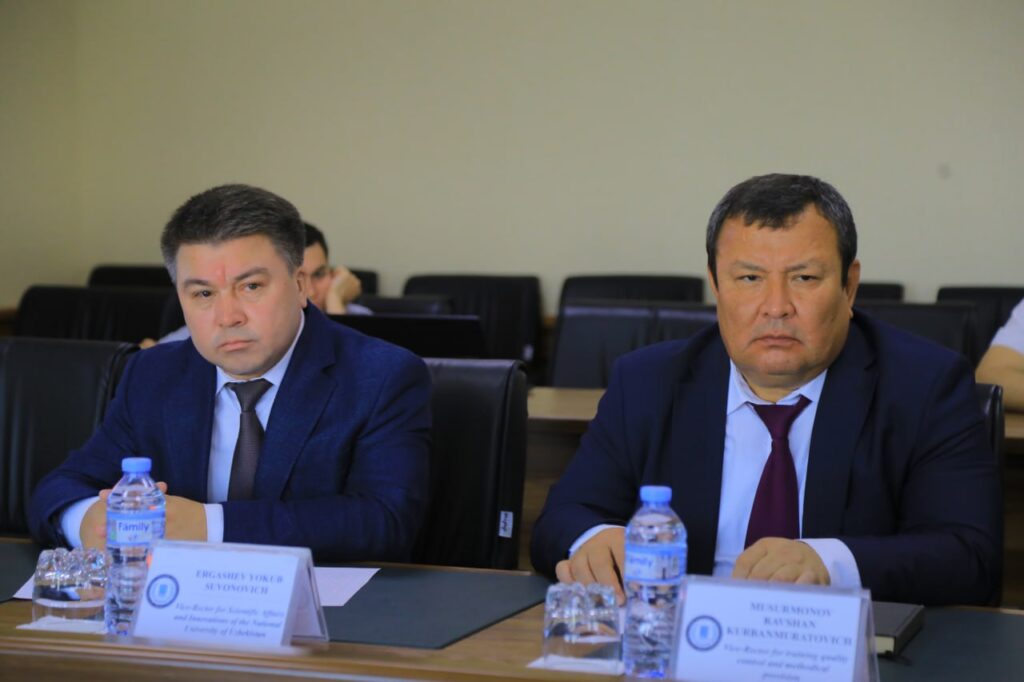
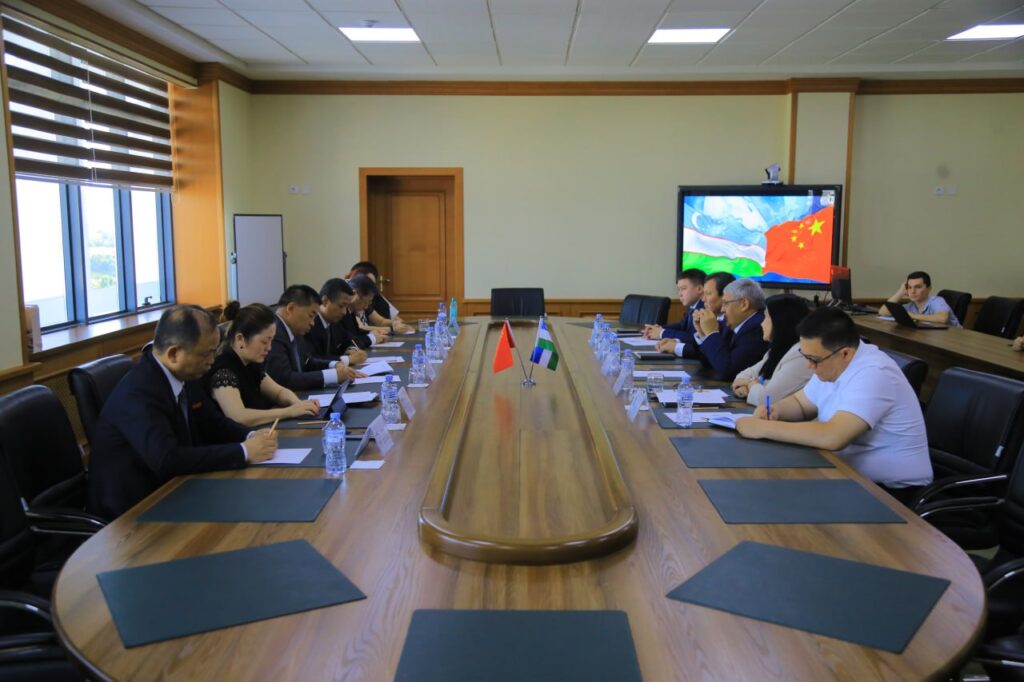
Члены делегации во главе с председателем партийного комитета университета Лю Чжэнтао были приняты ректором Национального университета Узбекистана Иномом Маджидовым. Между сторонами была организована встреча, посвященная вопросам сотрудничества.
Данный визит стал логическим продолжением международного диалога в рамках китайско-узбекского форума «Инновационное сотрудничество в сфере образования, науки и технологий,» состоявшегося 1-2 июня в Самарканде.
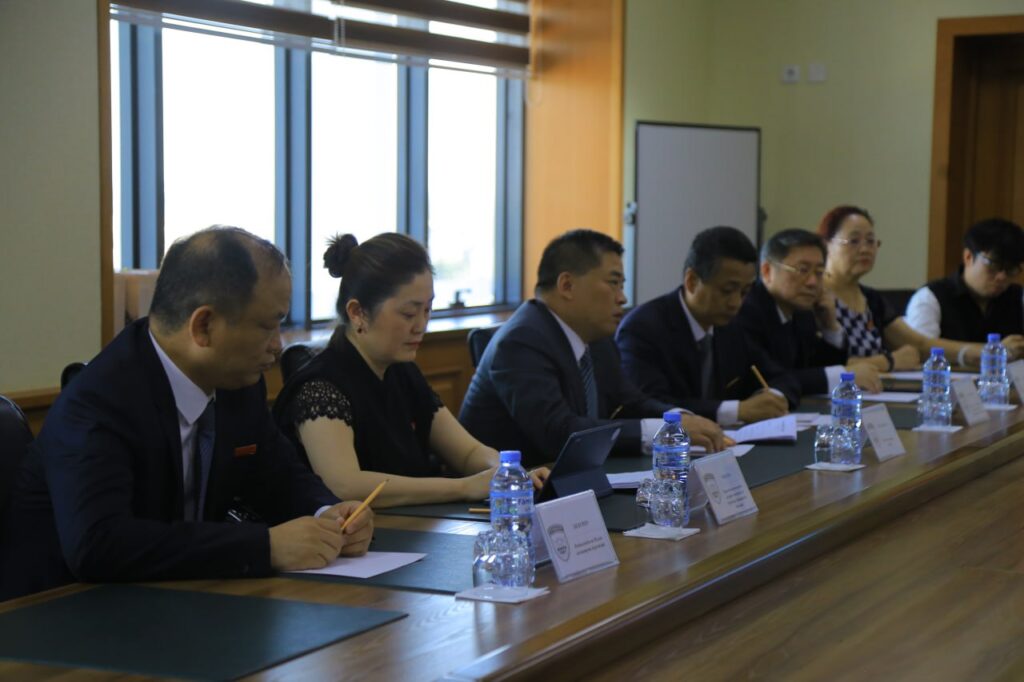
На встрече с китайской стороны присутствовали директор Института экономики и финансов Ли Цунпу, директор Института искусств Ли Цзе, директор Института китайского языка и культуры, представитель Института Центральной Азии Пан Чэнгуань, начальник Управления международного сотрудничества и обменов МИД КНР Фан Хуа, директор Института русского языка РАН Вэнь Юйся.
В начале встречи стороны предоставили информацию об образовательных направлениях, научном потенциале, международных программах и научно-практических проектах. Затем состоялся обмен мнениями о сотрудничестве в области иностранных языков, гуманитарных и точных наук.
Китайская сторона выдвинула конкретные инициативы по созданию «Цифрового центра» в области цифровых технологий в Национальном университете Узбекистана, а также открытию филиала СУИЯ в Узбекистане. Китайская делегация предложила открыть отделение узбекского языка в Сианьском университете иностранных языков.
Руководством Национального университета Узбекистана отмечено, что эти предложения и инициативы послужат дальнейшему укреплению взаимных культурно-гуманитарных связей. Ответственным лицам даны соответствующие указания по созданию рабочей группы по взаимному сотрудничеству, разработке и поэтапной реализации практической программы.
По итогам встречи стороны выразили взаимное стремление к налаживанию долгосрочного сотрудничества в таких направлениях, как разработка совместных образовательных программ, научные исследования, обмен преподавателями и студентами.
Информационная служба НУУз