Today, October 16, the Embassy of Turkmenistan in the Republic of Uzbekistan, in cooperation with the university, held an international scientific conference at the National University of Uzbekistan on the topic “Makhtumkuli – a world thinker and the significance of his philosophy today.”
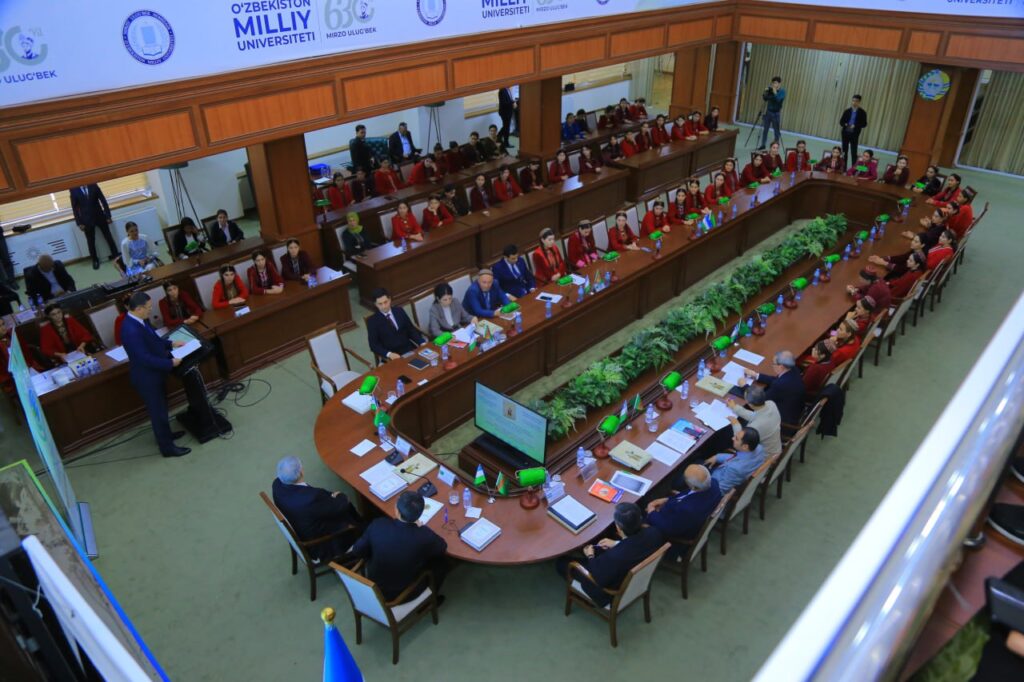
The event was attended by the Rector of the National University of Uzbekistan, Inom Madjidov, the Ambassador Extraordinary and Plenipotentiary of Turkmenistan to Uzbekistan, Shadurdy Meredov, representatives of the diplomatic corps, scientists, teachers, students, as well as experts in the field of literary studies and intercultural dialogue.
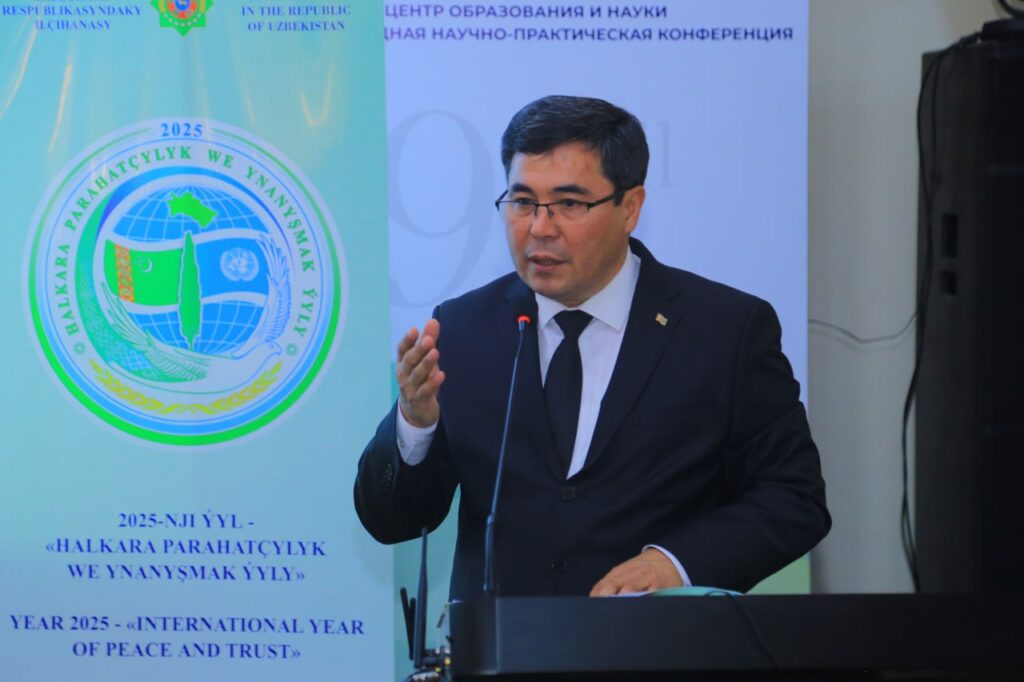
The conference was attended by Bekzod Shukurov of the Committee of the Republic of Uzbekistan on Interethnic Relations and Compatriots Abroad, Nazarov Mametnazar Sapabayevich, Deputy Chairman of the Republican Turkmen National Cultural Center in Uzbekistan, Minhojiddin Mirzo, First Deputy Chairman of the Writers’ Union of Uzbekistan, Bakhodir Karimov, Professor of the Tashkent State University of Uzbek Language and Literature named after Alisher Navoi, and other guests.
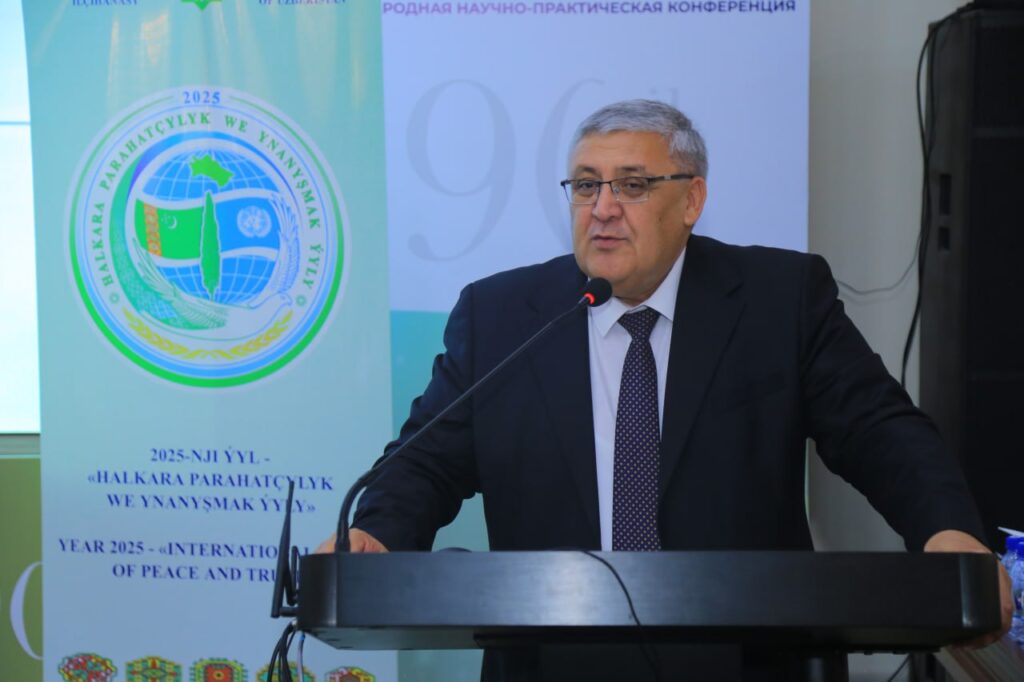
The great Turkmen poet and philosopher Makhtumkuli Firogi, whose humanistic heritage is of particular importance for the modern world, was at the center of attention of the participants of the event. Special attention was paid to the book by the President of Turkmenistan Serdar Berdimuhamedov “Makhtumkuli – the Thinker of Peace,” which reflects the poet’s current ideas on peace, justice, and mutual respect.
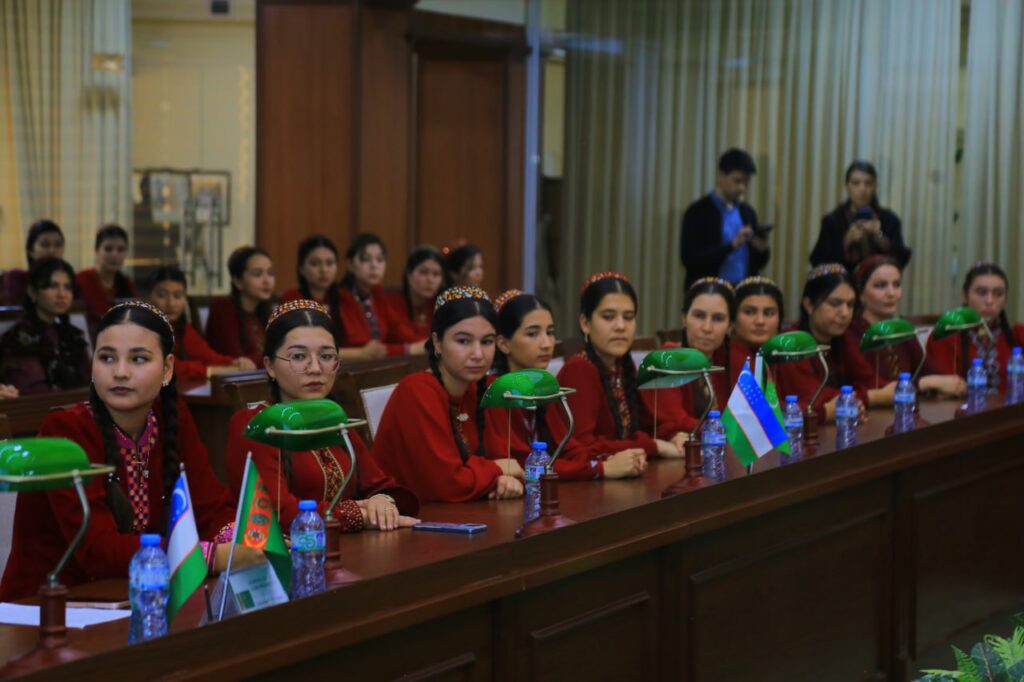
The speakers noted that Makhtumkuli’s work is a valuable spiritual heritage of the entire Turkic world, and his philosophy serves to strengthen interethnic understanding and cultural cooperation. The historical and spiritual ties between the peoples of Turkmenistan and Uzbekistan, including the commonality of literary traditions from Makhtumkuli to Alisher Navoi, were also noted.
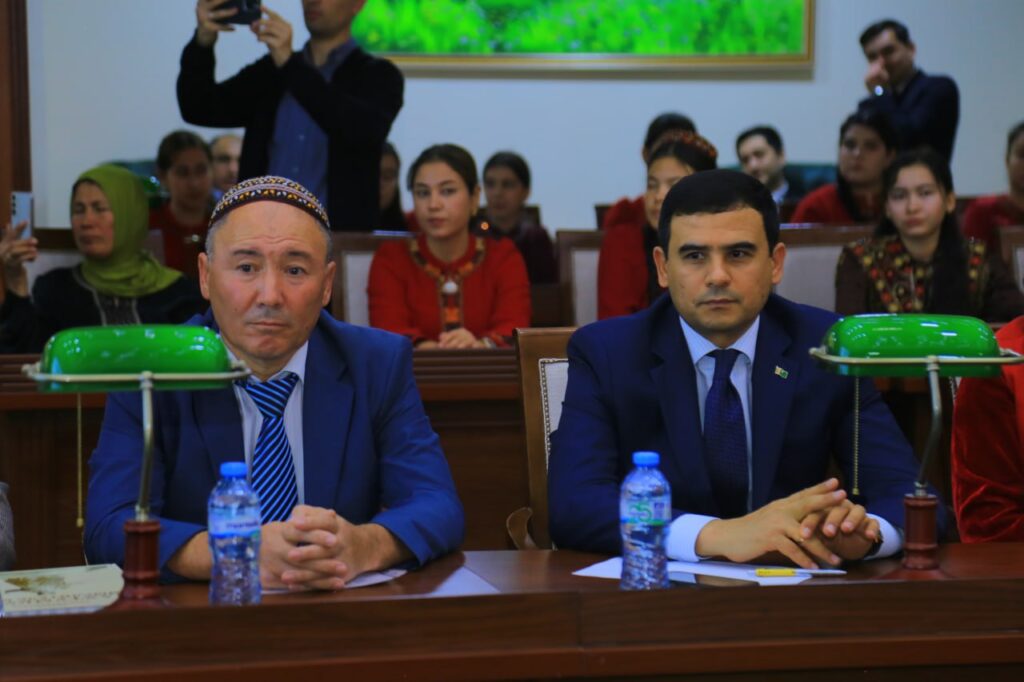
The conference became a platform for scientific dialogue, exchange of views, and study of the role of human values in the context of modern global problems.
Information Service of NUUz