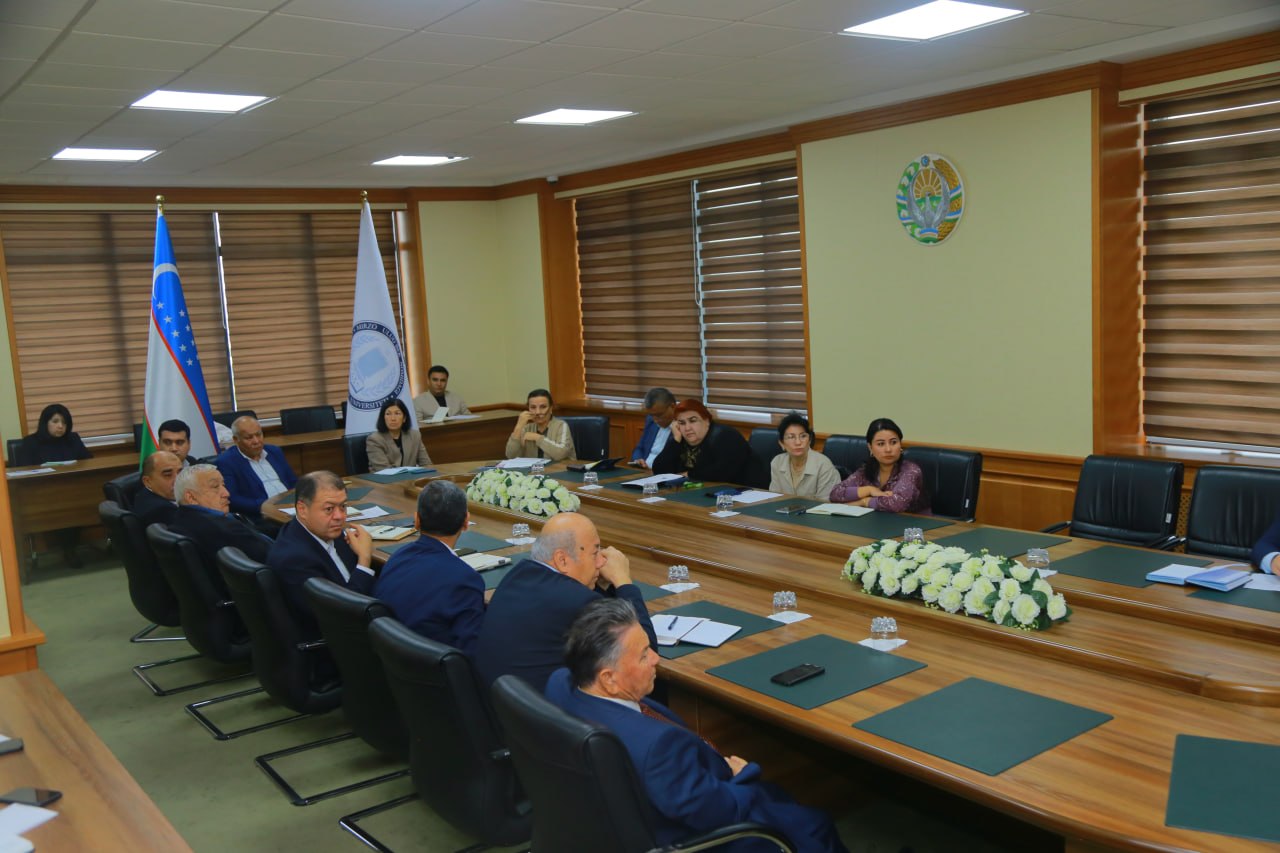
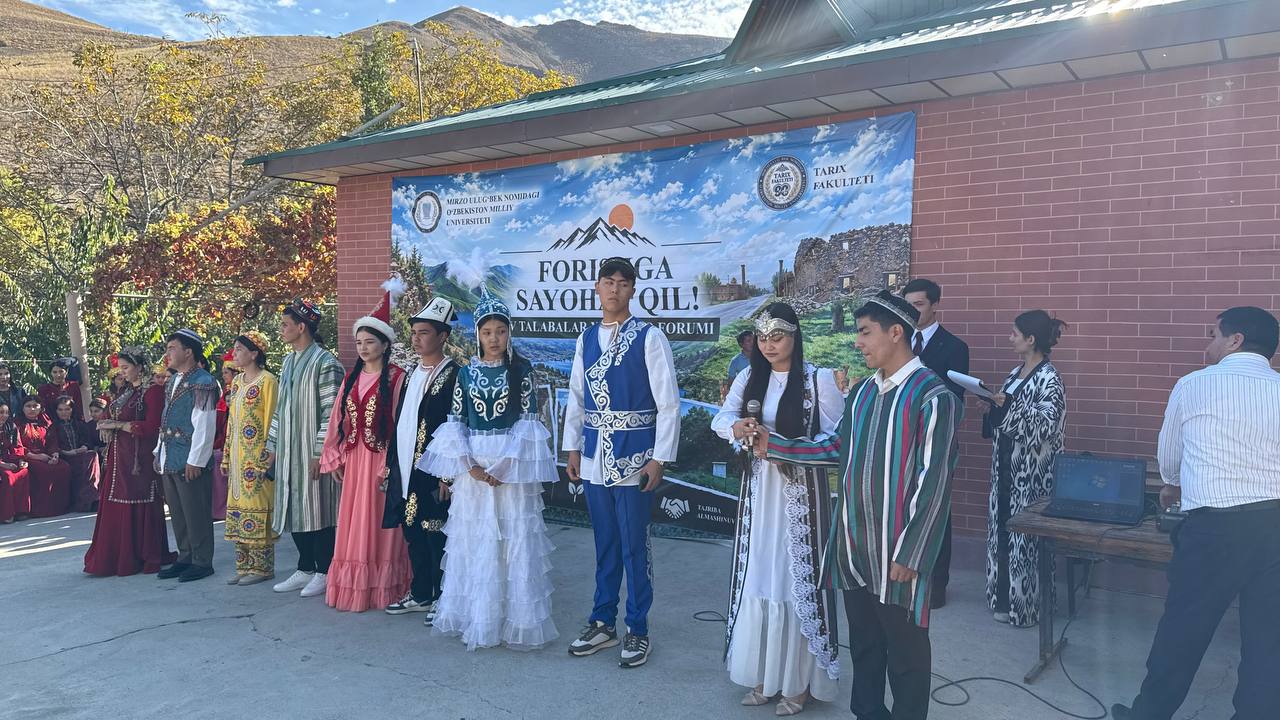
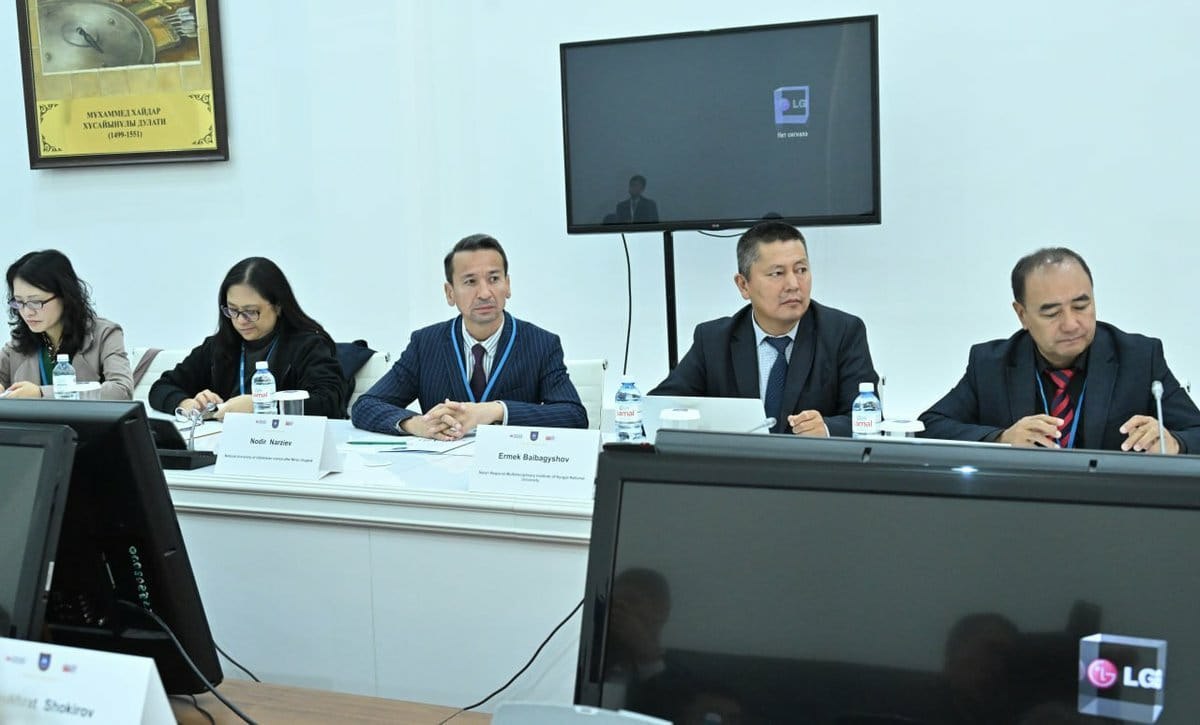
On April 7, 2026, a roundtable discussion titled “The Legacy of Amir Temur and Modern City Diplomacy” was held at the National University of Uzbekistan at the initiative of the Sister Cities Alliance, marking the 690th anniversary of the birth of the commander Amir Temur.
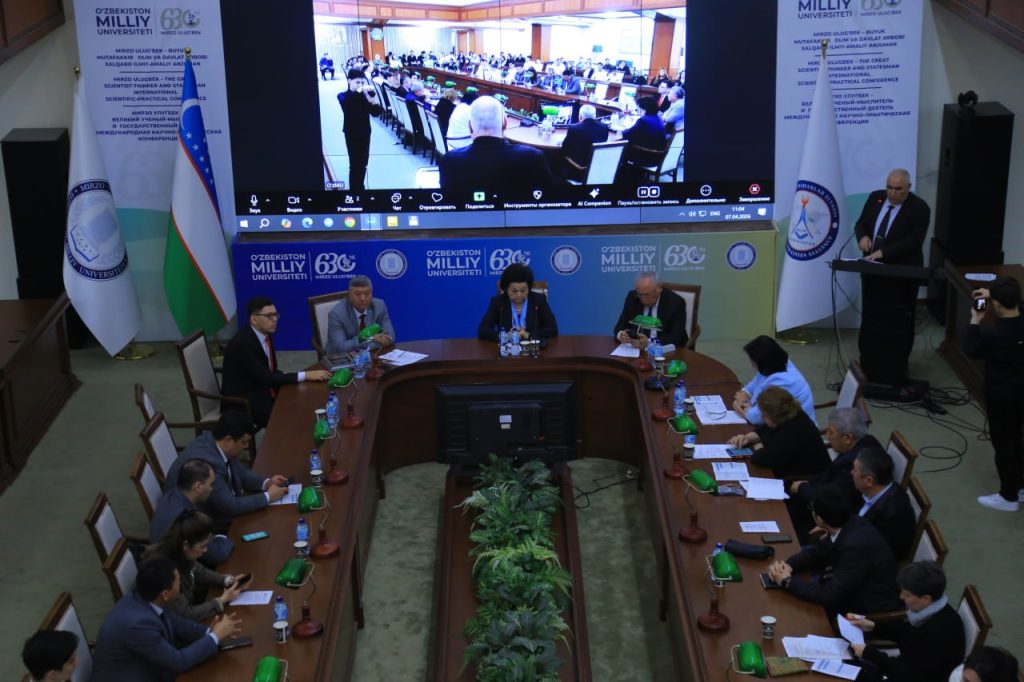
The event was organized in accordance with the implementation of the Presidential Resolution of the Republic of Uzbekistan dated February 6, 2026. Under this resolution, April is annually designated as the “Month of Amir Temur,” with the promotion of his immense contributions to statehood, military art, science, and culture identified as a national priority.
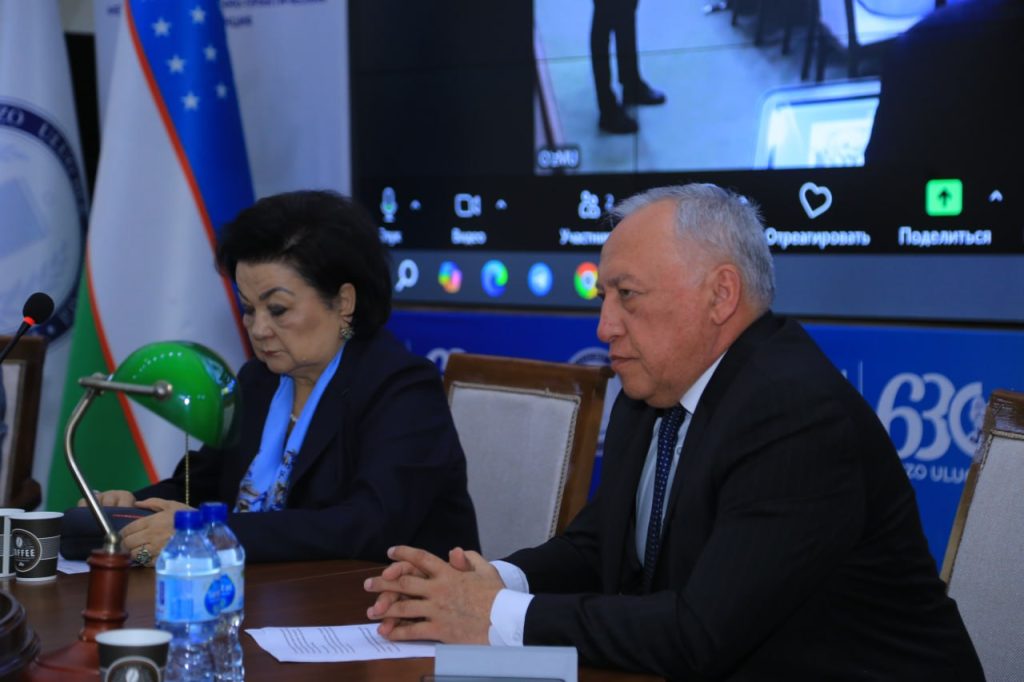
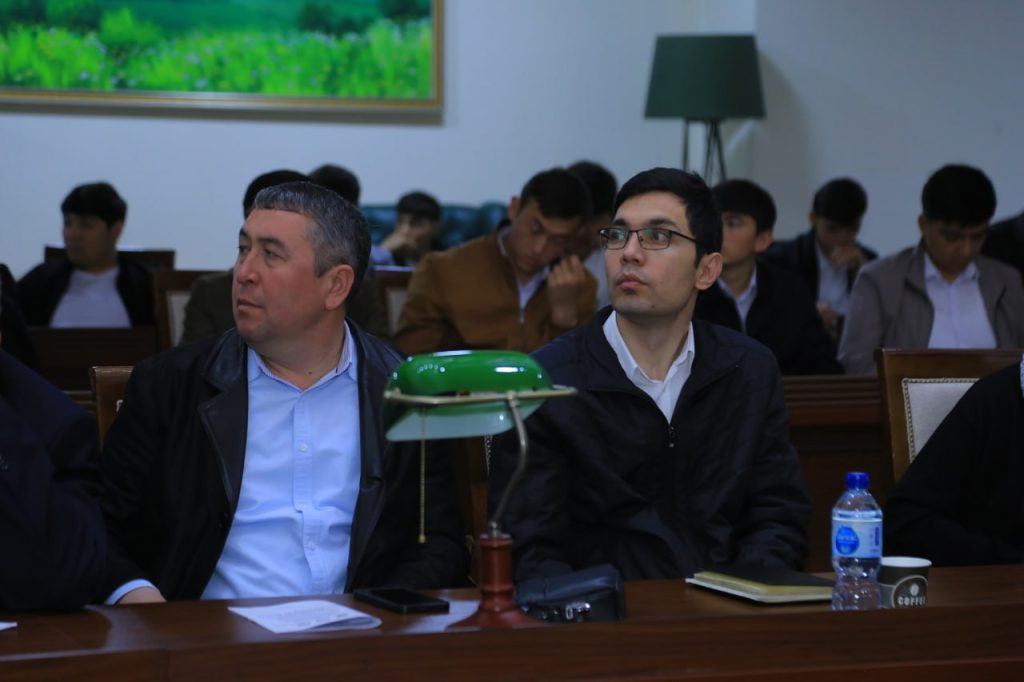
The roundtable brought together representatives of the Committee on Interethnic Relations, university leadership, leading professors and academics, historians, experts in international relations, members of friendship societies, young researchers, talented students, pupils of School No. 169 in Tashkent, as well as media representatives. In the opening remarks, Amir Temur was recognized not only as a prominent historical figure but also as the founder of a school of governance and diplomacy that remains relevant today.
The discussions and presentations focused on the following areas:
– Amir Temur’s political concepts in establishing a centralized state;
– his strategic approaches to foreign policy and international relations;
– the formation of diplomatic institutions during the Timurid period;
– opportunities for applying historical heritage in modern public diplomacy;
– the role of city diplomacy and sister-city cooperation.
Speakers emphasized that the extensive diplomatic network established during Amir Temur’s reign, including relations with European and Asian states, represents a valuable historical model for strengthening international dialogue and mutual trust in today’s globalized world.
It was also noted that trade routes of the Timurid era—particularly the Great Silk Road—play a crucial role in understanding the economic foundations of contemporary interregional cooperation and city diplomacy. This highlights the importance of effectively leveraging historical heritage to elevate cooperation between modern cities to a new level.
Participants highlighted Amir Temur’s leadership qualities, strategic vision, and determination as an enduring source of inspiration for today’s youth. Proposals were put forward to expand research projects on his legacy, promote international conferences and student exchange programs, strengthen cultural and educational ties with sister cities, and enhance initiatives aimed at fostering historical awareness and civic responsibility among young people.
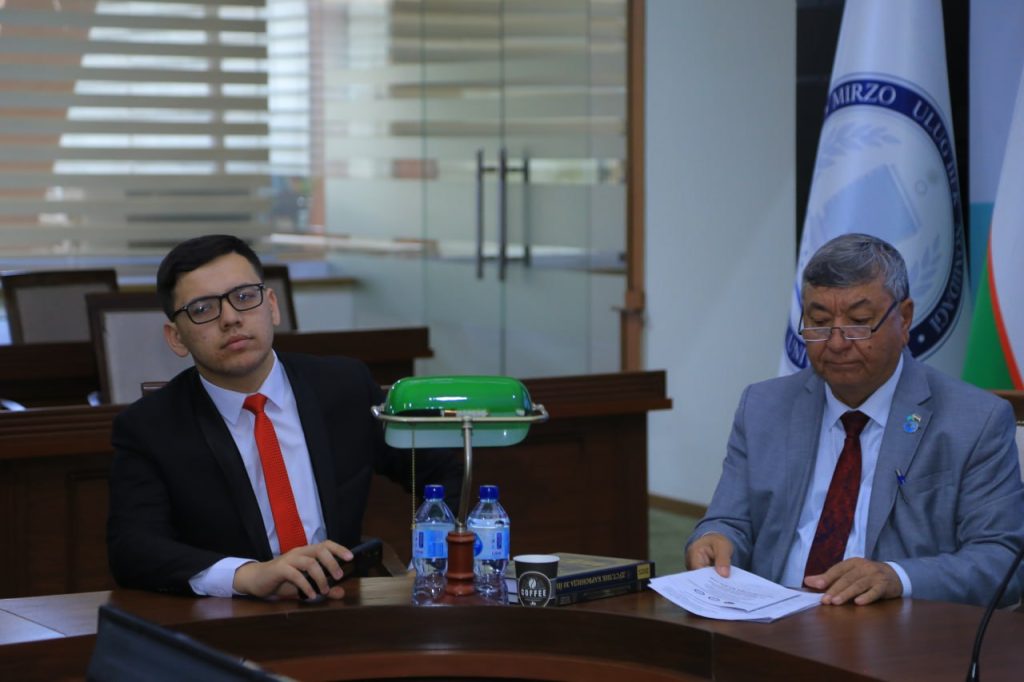
An exhibition of scholarly literature dedicated to Amir Temur and the Timurid era was also organized as part of the event.
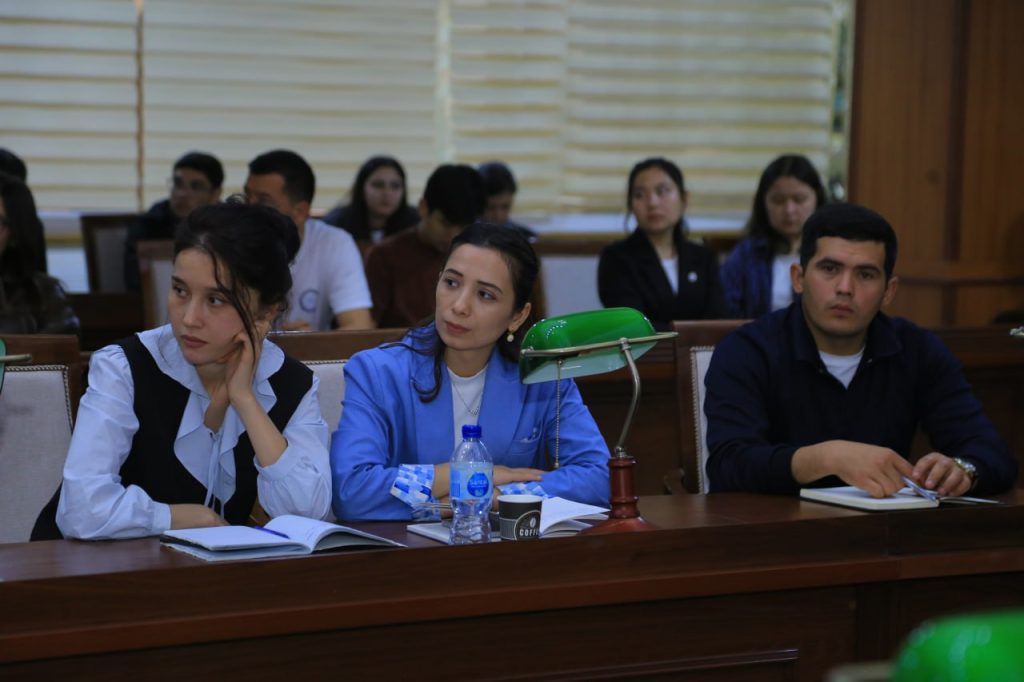
School pupils and university students actively participated in the roundtable. Drawings depicting Amir Temur by students of School No. 169 were showcased, and the winners were awarded diplomas and commemorative gifts.
The roundtable became one of the key scientific and educational events within the framework of the “Amir Temur Month,” held at a high organizational level, with the ideas proposed expected to be translated into practical initiatives in the future.