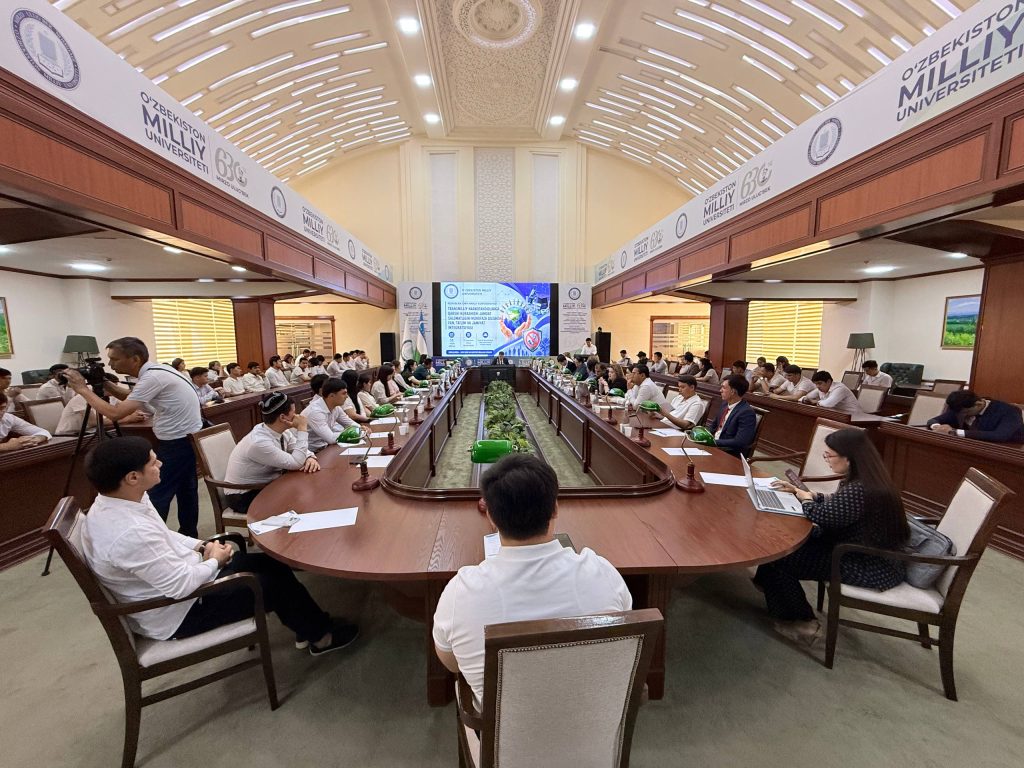
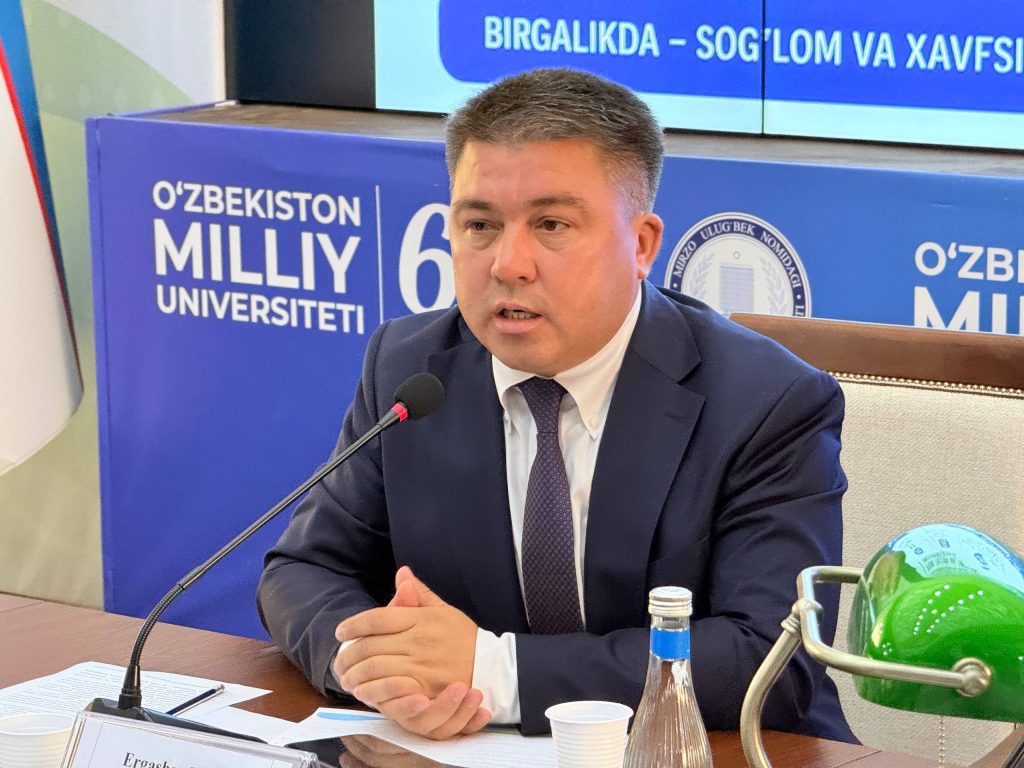
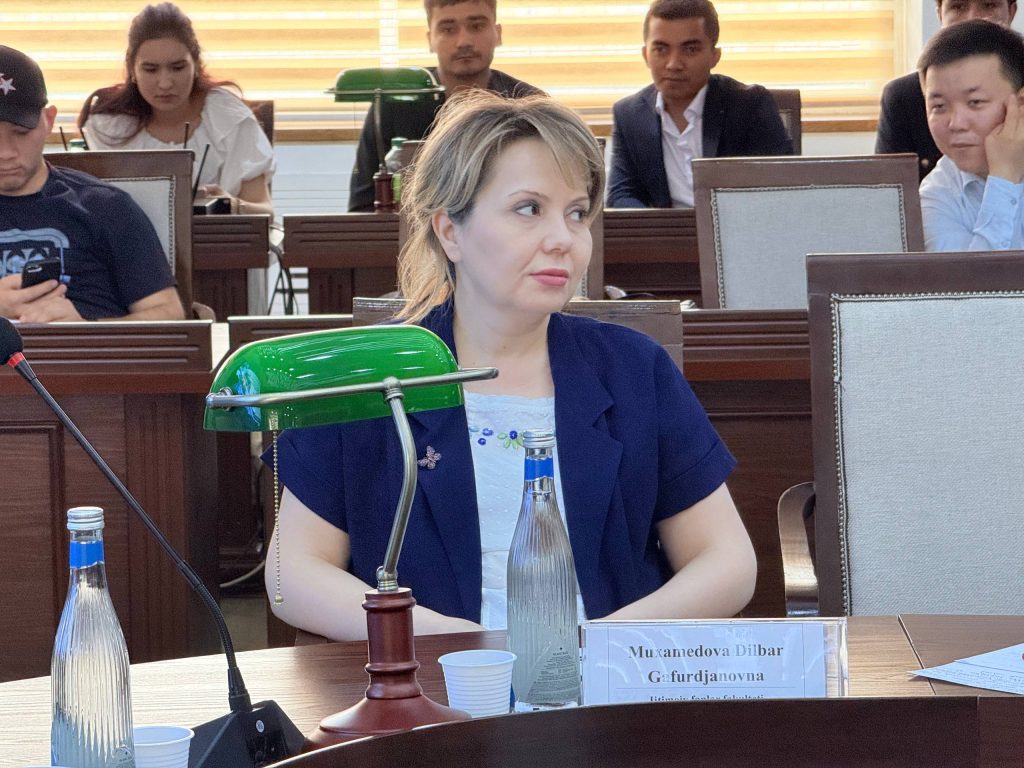
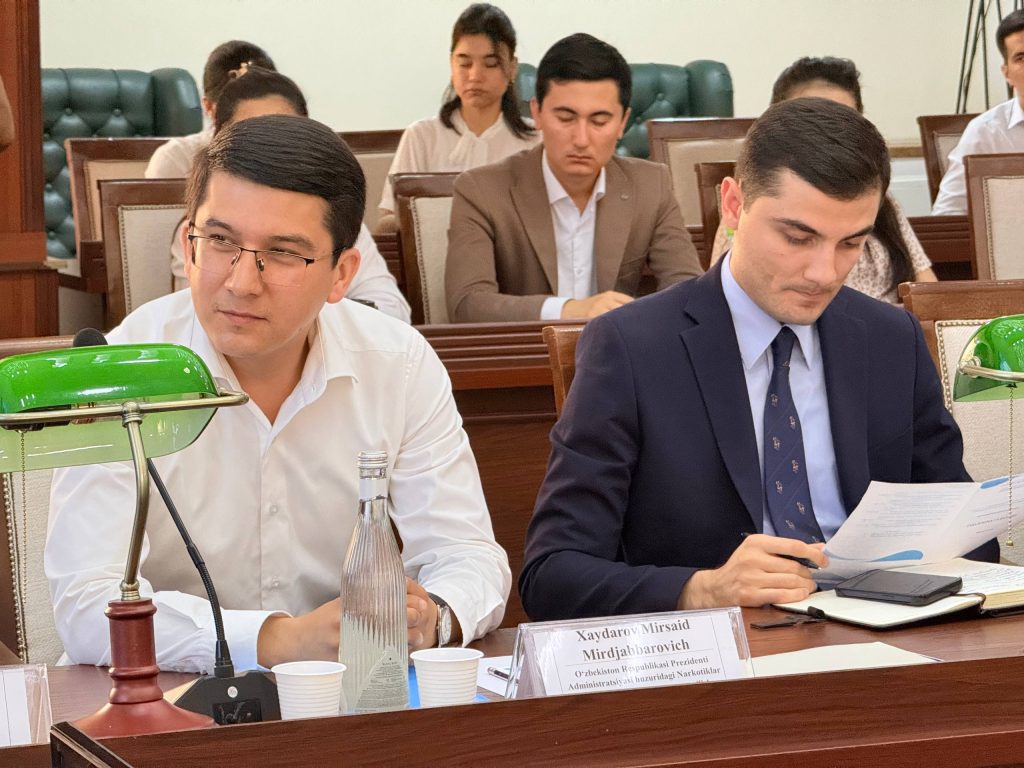
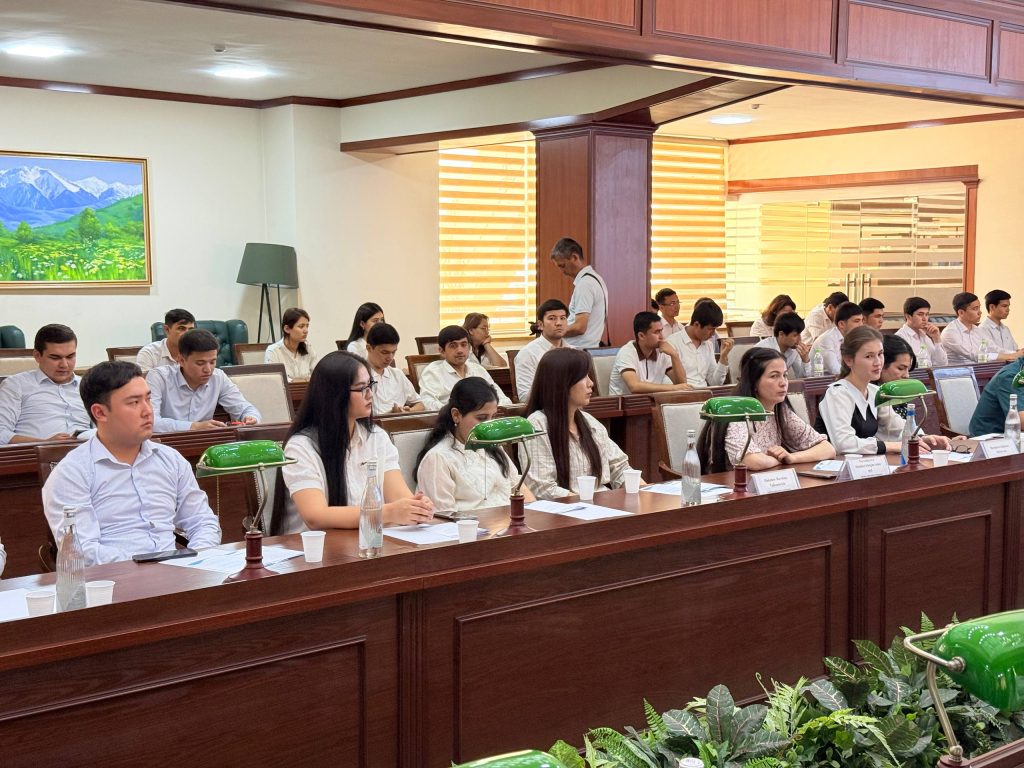
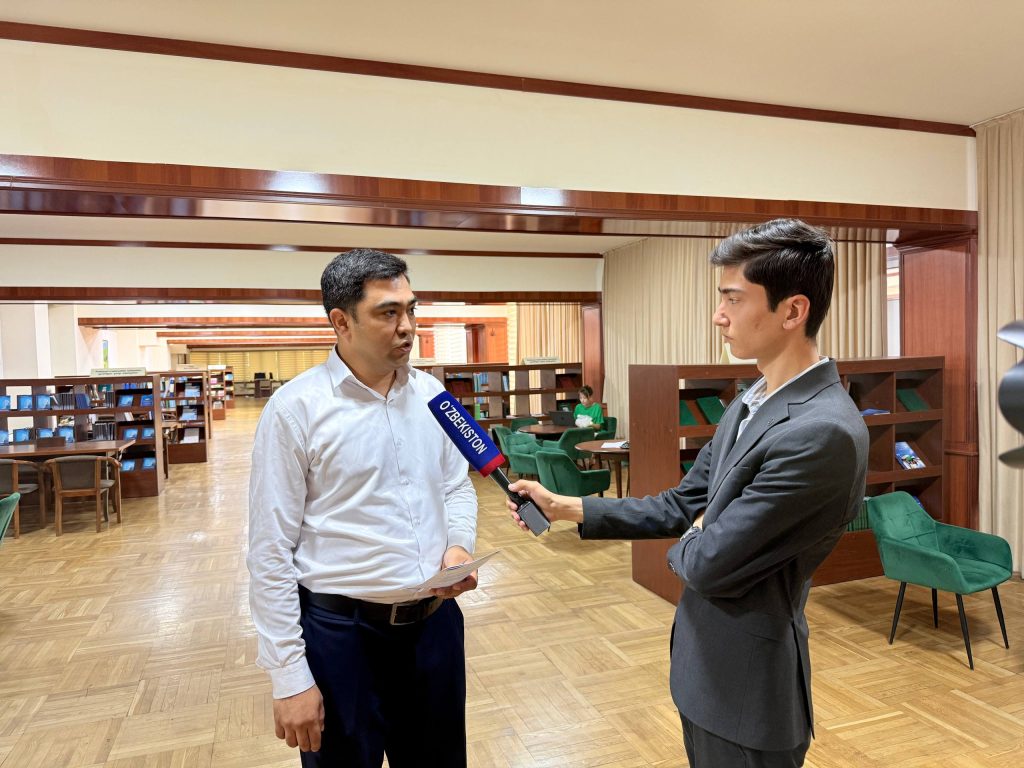
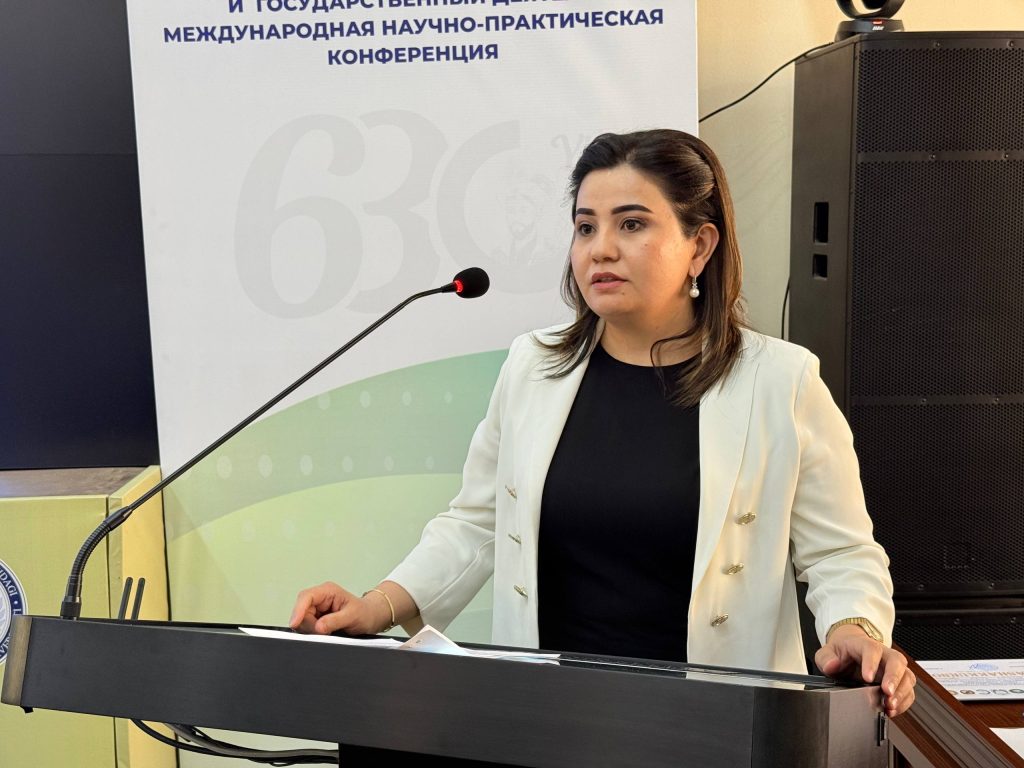
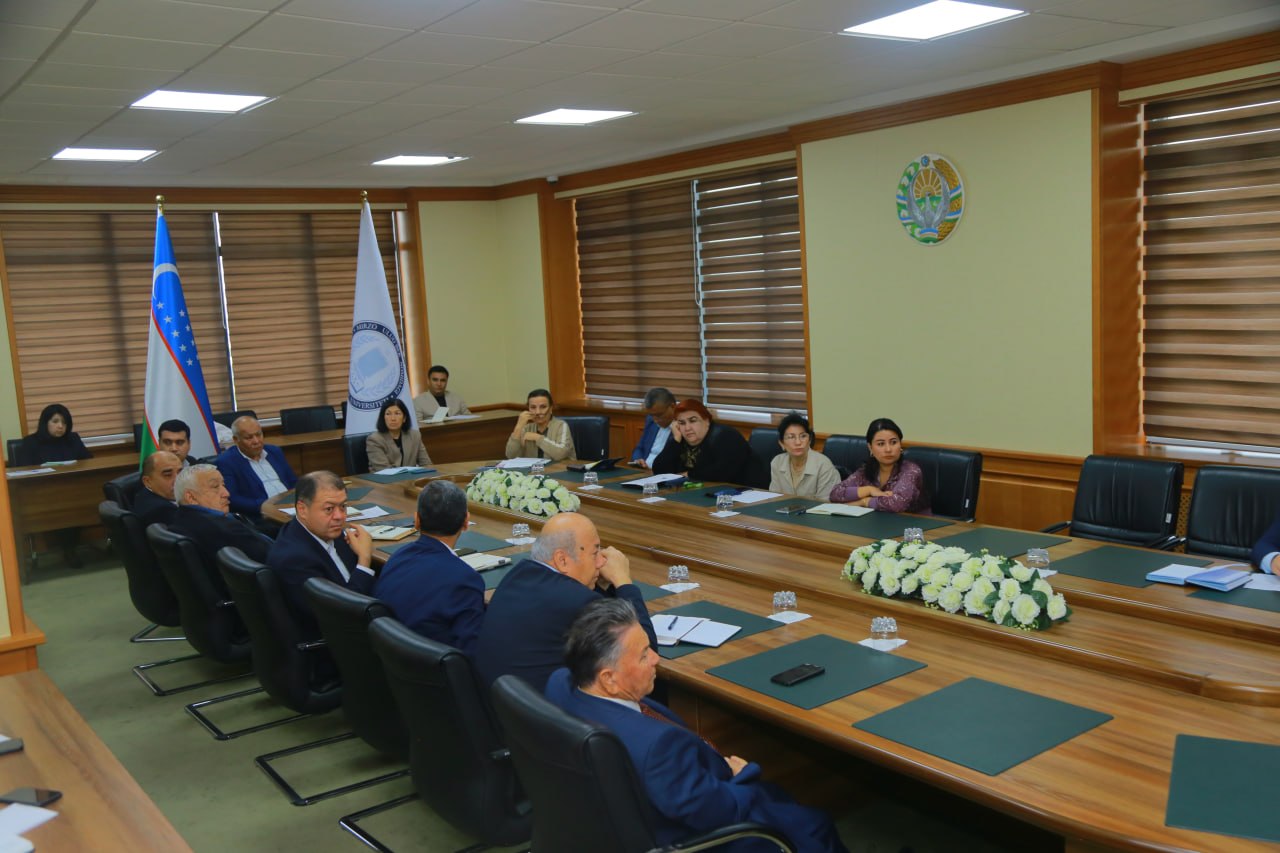
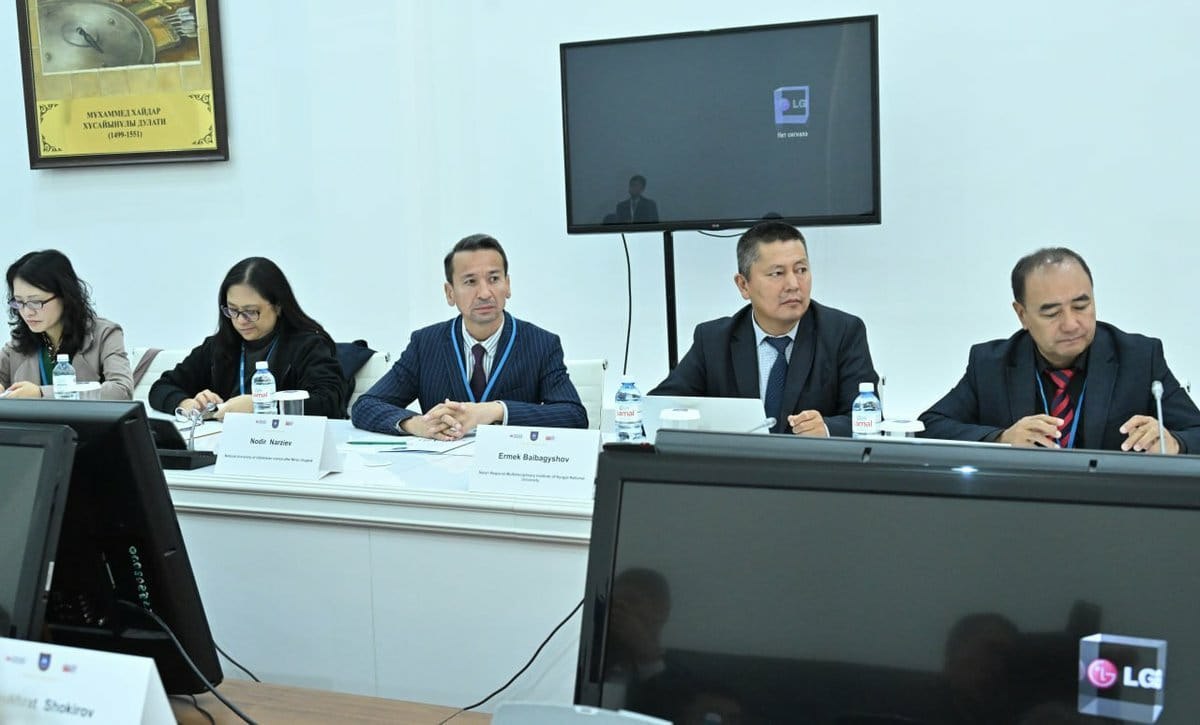
On June 11 of this year, the National University of Uzbekistan named after Mirzo Ulugbek hosted a Republican scientific and practical conference entitled “Countering Transnational Drug Threats: Integration of Science, Education, and Society in Protecting Public Health.”
The conference aimed to discuss current challenges related to combating transnational drug threats, strengthen the role of science and education in this field, promote cooperation among government agencies, research institutions, and civil society organizations, and develop practical proposals and recommendations.
The event brought together representatives of the Supreme Court of the Republic of Uzbekistan, the Institute for Parliamentary Research under the Legislative Chamber of the Oliy Majlis, the Authorized Person of the Oliy Majlis for Human Rights (Ombudsman), the Agency for Control of Narcotic Drugs and Firearms under the Administration of the President of the Republic of Uzbekistan, the Customs Institute, the Academy of the Ministry of Internal Affairs, the Institute of Criminological Research, the Republican Forensic Expertise Center named after H. Sulaymanova, Tashkent State University of Law, the International Islamic Academy of Uzbekistan, Tashkent International University, Sarbon University, as well as representatives of the judicial and legal system and the academic community.
During the conference, participants delivered presentations and exchanged views on legal, organizational, and preventive mechanisms for combating the illicit trafficking of narcotic drugs and psychotropic substances, preventing drug abuse among young people, protecting public health, and expanding international cooperation in the face of contemporary threats.
In addition, a number of proposals were put forward to further strengthen cooperation among government bodies, higher education institutions, research centers, and civil society organizations in addressing drug-related threats. Participants emphasized the importance of improving the effectiveness of preventive measures, enhancing legal and health literacy among the population—particularly young people—and promoting healthy lifestyles on a broader scale.
At the conclusion of the conference, it was noted that the scientific findings and practical recommendations developed during the event would contribute to further improving the national system for combating drug threats, strengthening public health, and fostering a healthy and secure society.