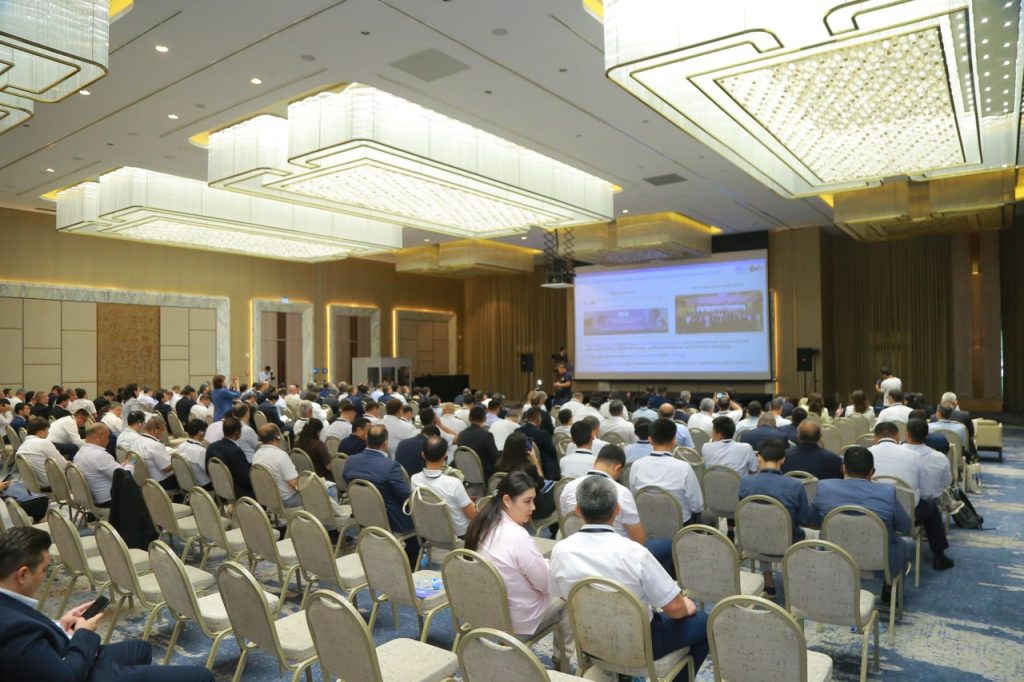
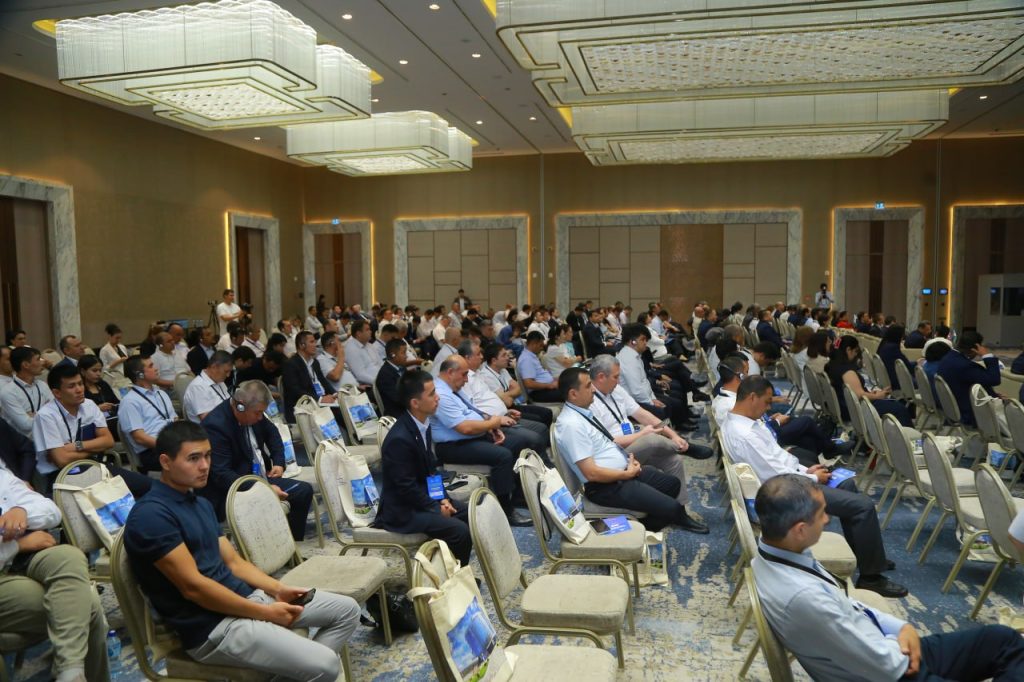
Today, 14 August, a major international scientific and practical conference dedicated to the most pressing issues in higher education commenced at the Hilton Tashkent City hotel in the capital. The conference, titled “Developing Higher Education Services: Enhancing the Quality of Educational Programmes, Supporting Entrepreneurship in Education, and Expanding Employment Opportunities,” is currently underway.
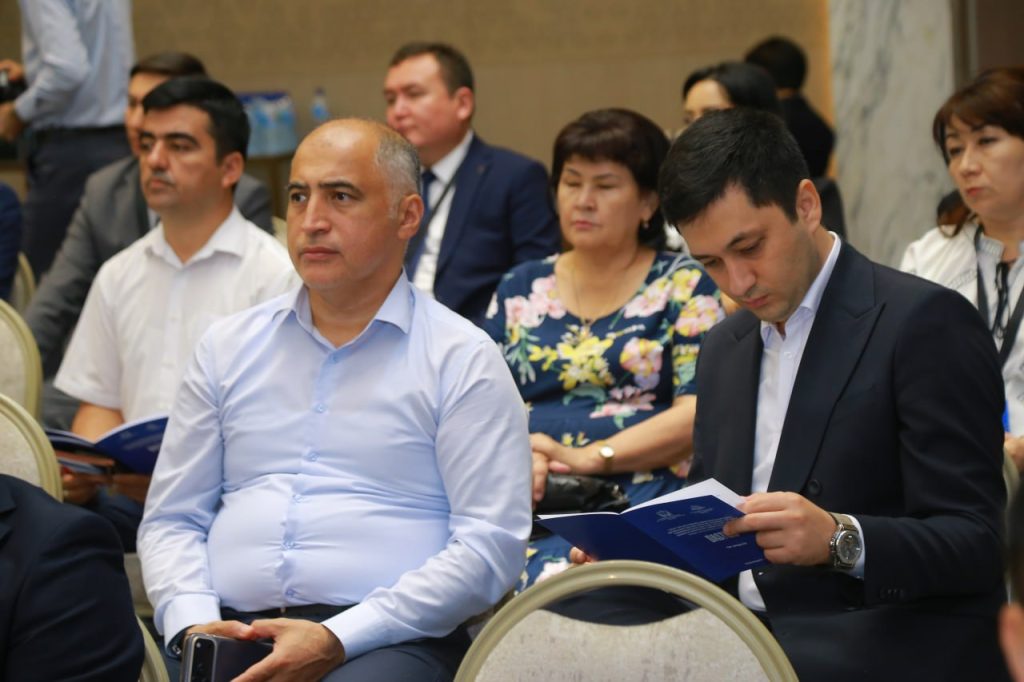
The event is organised by the Centre for Higher Education Development and Global Cooperation under the Ministry of Higher Education, Science and Innovation of the Republic of Uzbekistan. The conference brings together leading experts from Uzbekistan and abroad, heads of higher education institutions, labour market specialists, and representatives of international organisations.
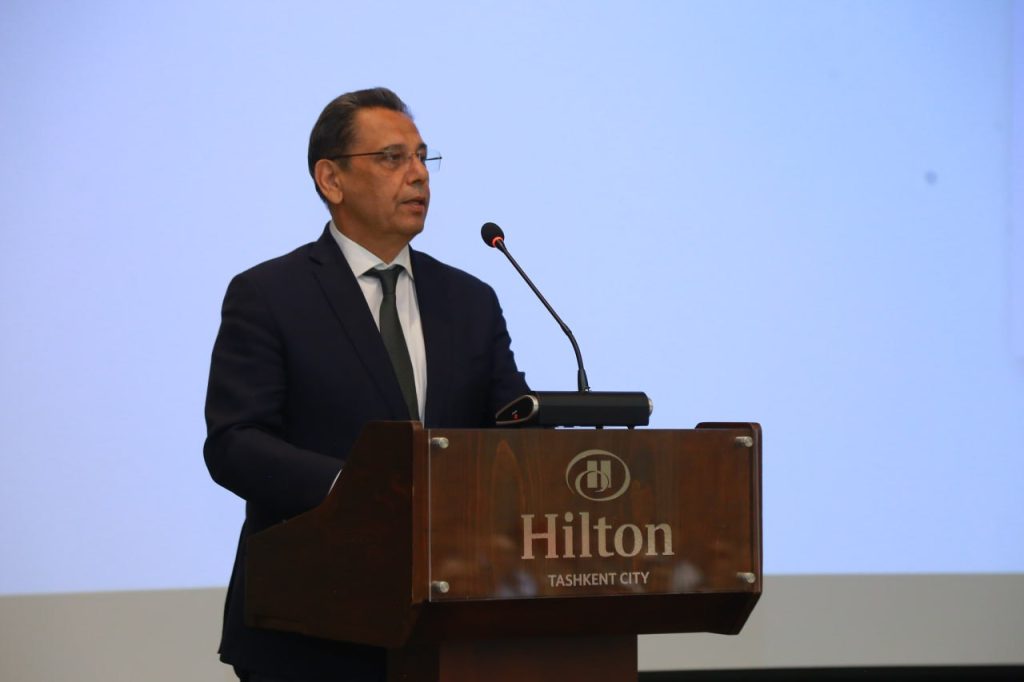
The opening ceremony of the conference was held at a high level. Opening remarks were delivered by Qo‘ng‘irotboy Sharipov, Minister of Higher Education, Science and Innovation; Michael Houlgate, Director of the British Council in Uzbekistan; and Salim Salamah, Regional Education Adviser at the Embassy of the United Kingdom in Tashkent.
The conference focuses primarily on enhancing the quality of higher education, aligning educational programmes with the needs of the modern labour market, expanding the use of artificial intelligence and digital technologies in the educational process, and identifying effective mechanisms for improving graduate employment outcomes.
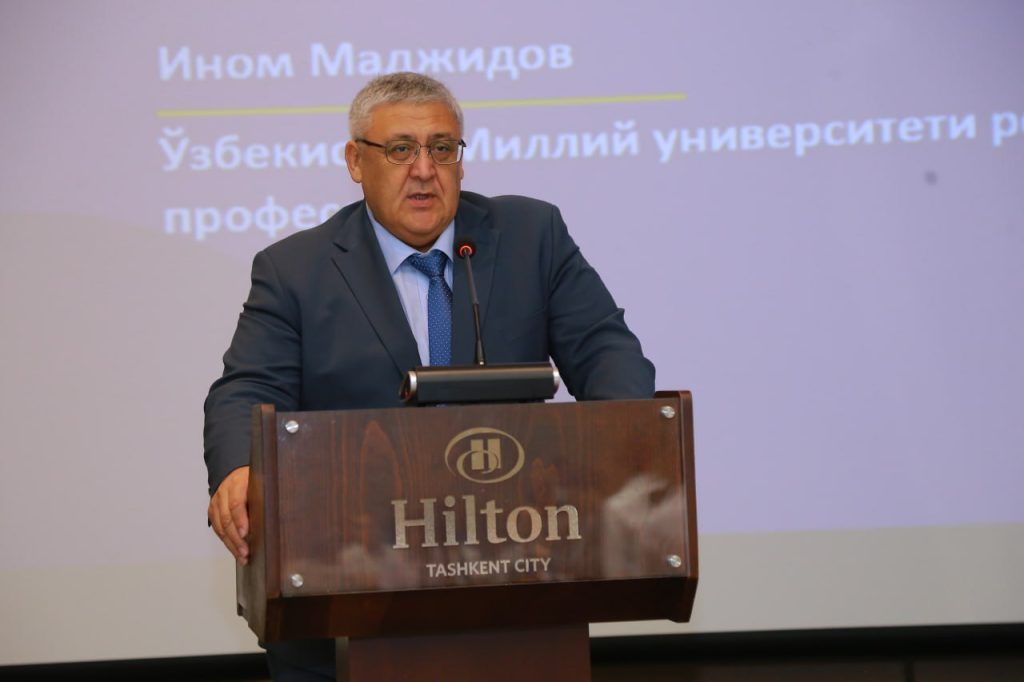
During the plenary session, participants held an in-depth discussion on measures to fundamentally strengthen the international standing and reputation of Uzbekistan’s national higher education system. Inom Madjidov, Rector of the National University of Uzbekistan, took an active part in the plenary session and delivered a topical presentation.
In his presentation, titled “Current Priorities for Enhancing the International Competitiveness of the National Higher Education System,” the Rector outlined the key strategic objectives facing Uzbekistan’s higher education system amid rapidly accelerating globalisation. Inom Madjidov provided an in-depth analysis of the priority tasks involved in aligning the national higher education system with international competitiveness requirements, introducing competency-based educational programmes in line with advanced international standards, and strengthening the position and reputation of higher education institutions in global rankings.
The conference is also addressing the development of a higher education ecosystem in Central Asia that is prepared for the effective use of artificial intelligence, as well as the acceleration of digital transformation. In addition, participants are discussing mechanisms to support graduates in securing decent employment opportunities under the “Step into the Future” programme.
Representatives from China, Austria, Kazakhstan, Azerbaijan, Malaysia and the United Kingdom are sharing the most advanced practices and experiences of their respective countries. The afternoon and subsequent sessions are expected to focus on important practical proposals concerning the organisation of the 2026/2027 academic year, engagement with international ranking agencies, attracting international students, and further developing career centres at higher education institutions.