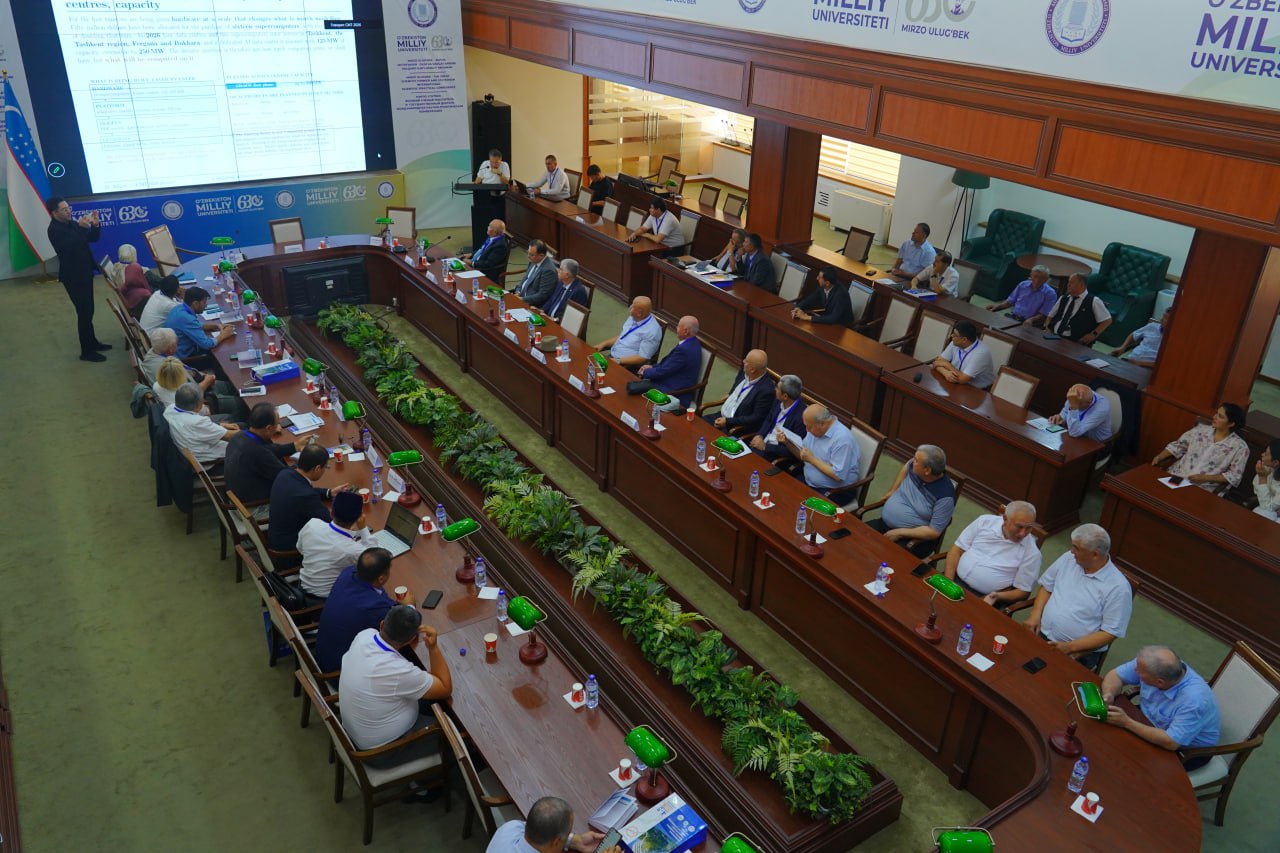
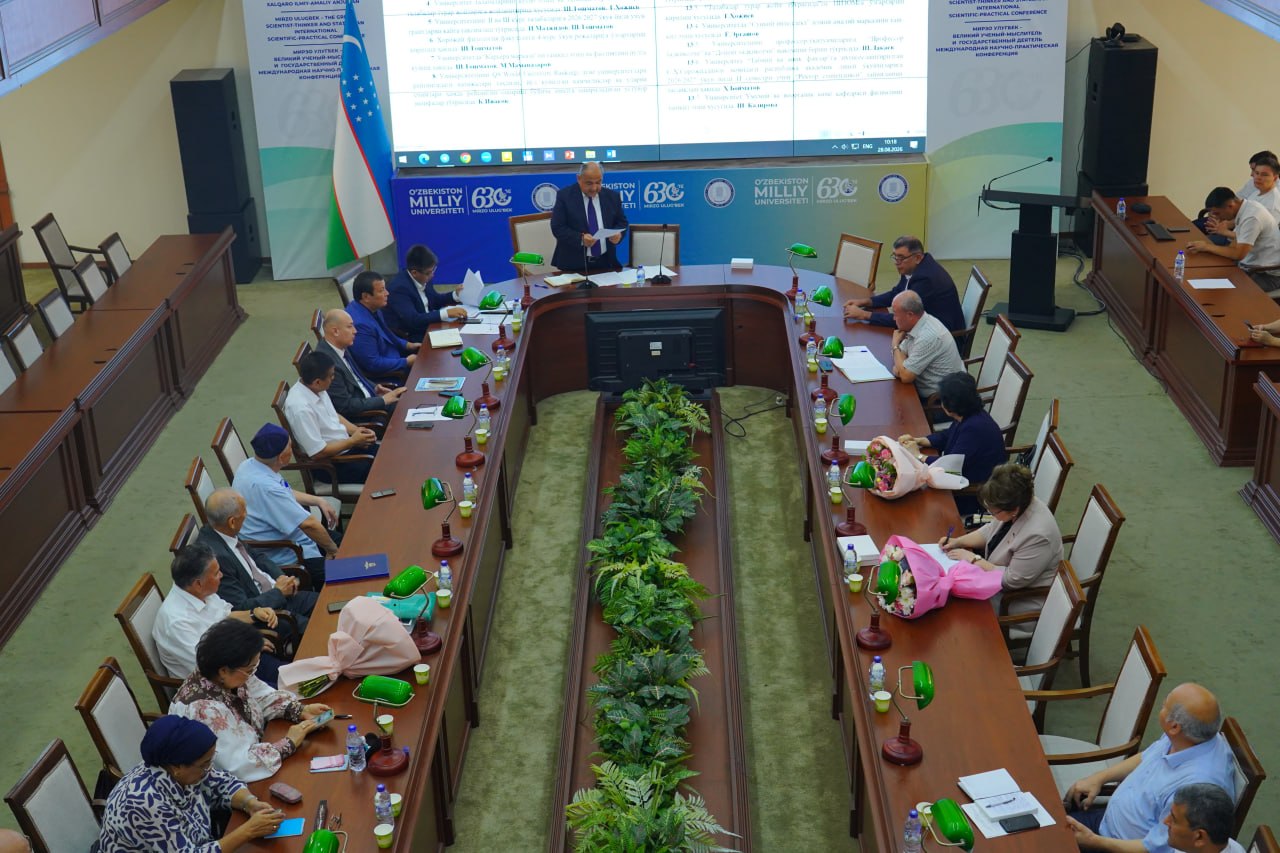
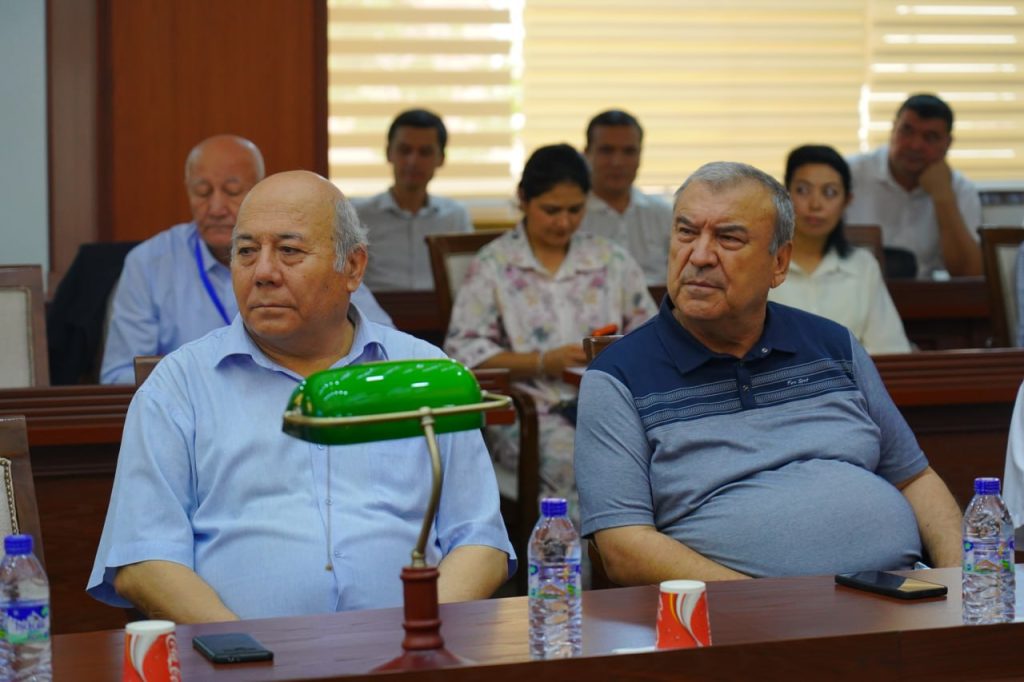
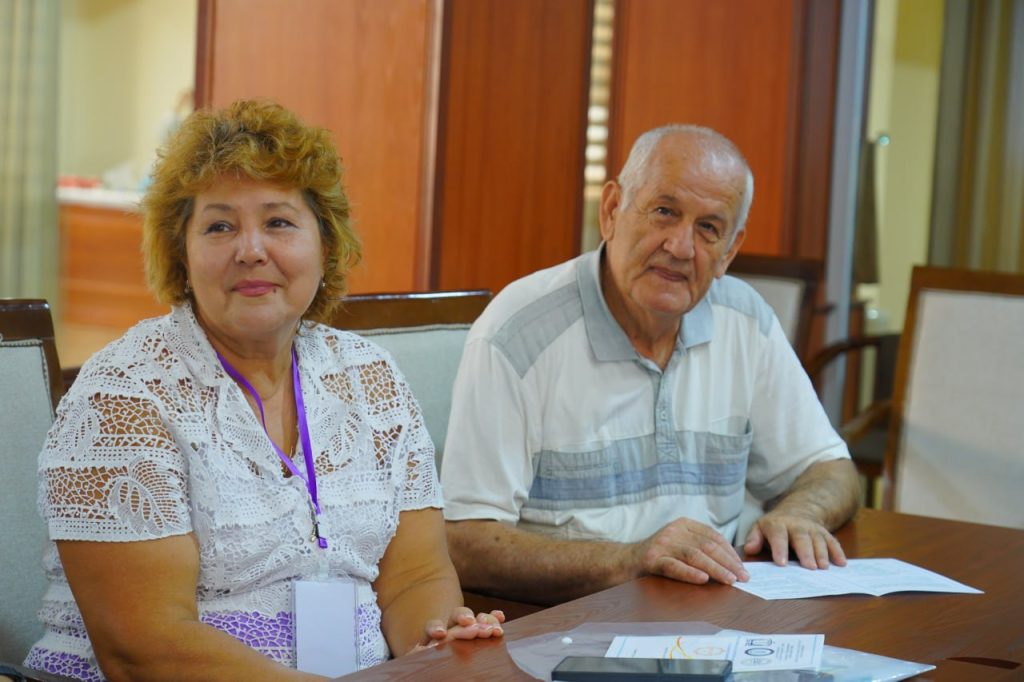
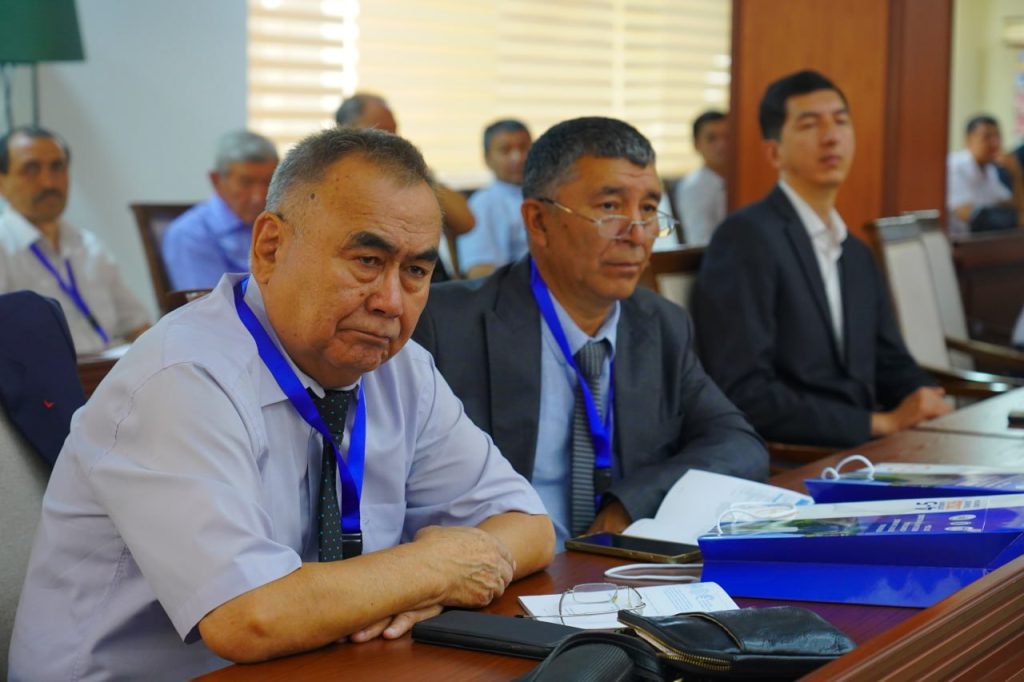
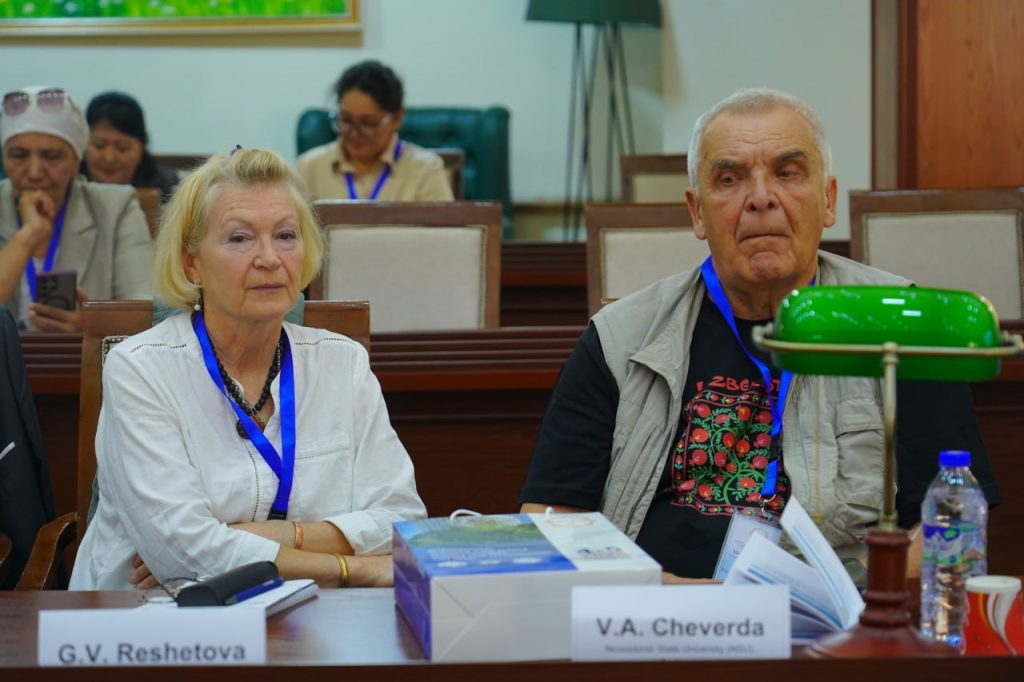
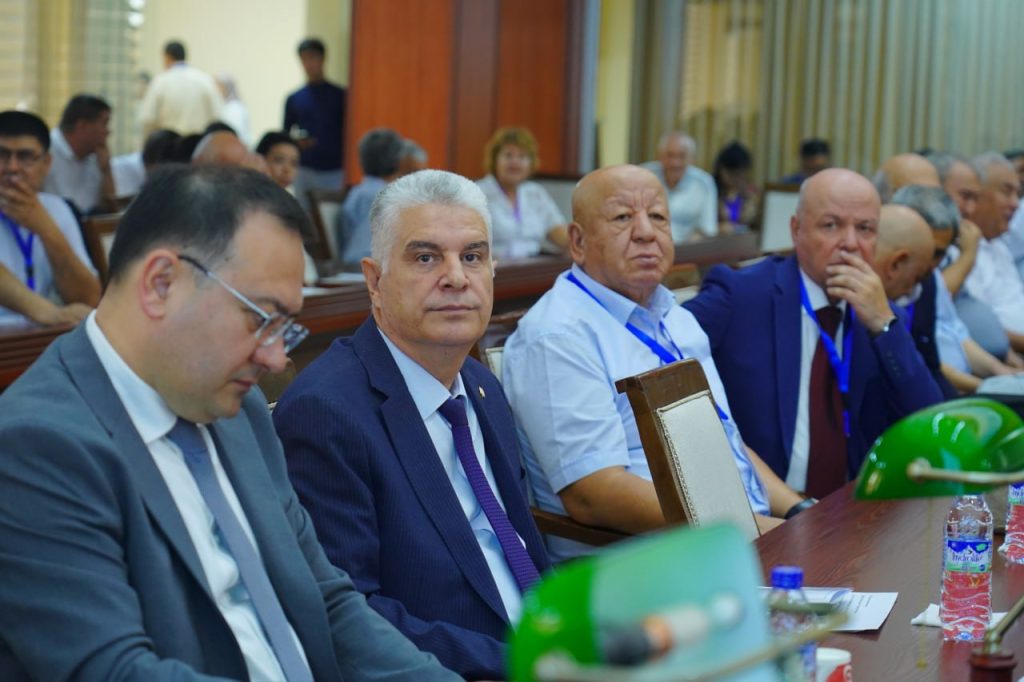
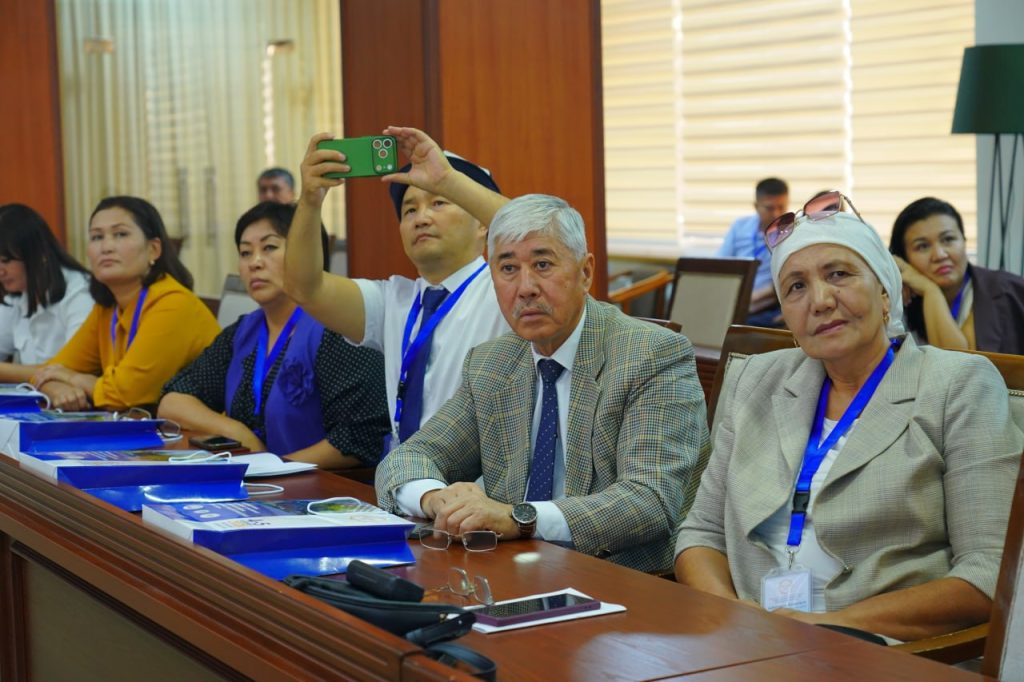
Today, September 4, 2026, the 4th International Scientific Conference “Computational Models and Technologies (CMT2026)” officially began at Mirzo Ulugbek National University of Uzbekistan. The conference is jointly organized by Mirzo Ulugbek National University of Uzbekistan and the V.I. Romanovsky Institute of Mathematics. The prestigious scientific forum brings together scientists and researchers from around the world to discuss some of the most pressing areas of contemporary science.
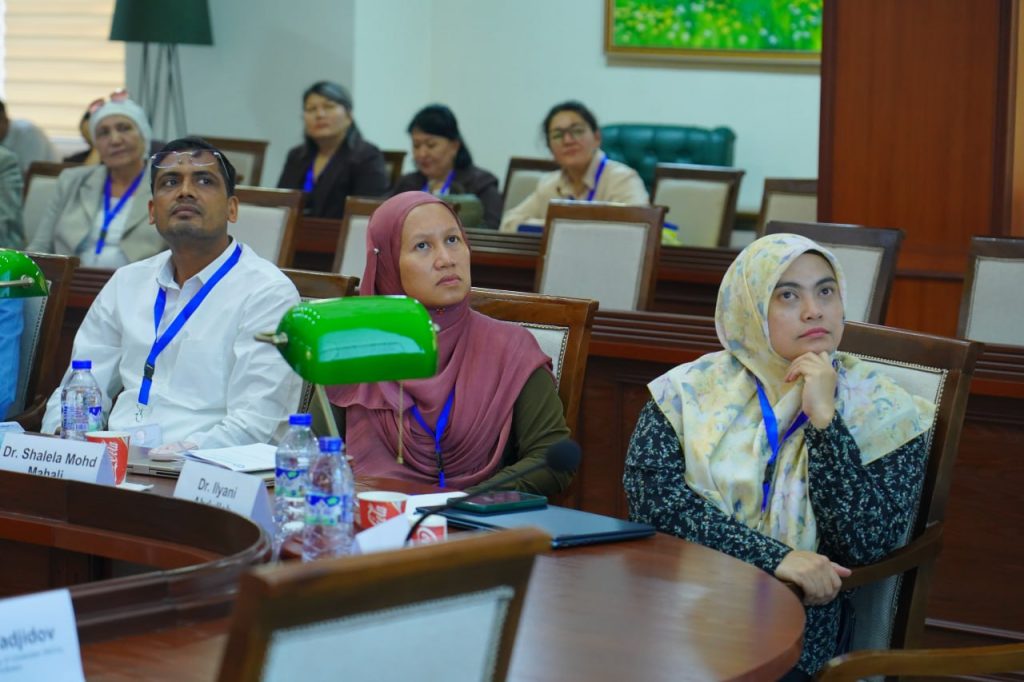
The conference is being held in a hybrid format, both in person and online. Alongside scientists from Uzbekistan, representatives of leading higher education institutions and research organizations from more than ten countries, including Malaysia, Russia, India, Kazakhstan and Kyrgyzstan, are taking part in the event.
The conference is being organized with the close support of prominent international partners, including MARA University of Technology (Malaysia), Abai Kazakh National Pedagogical University (Kazakhstan), the Indian Institute of Technology Roorkee (India), and Tashkent International University (Uzbekistan).
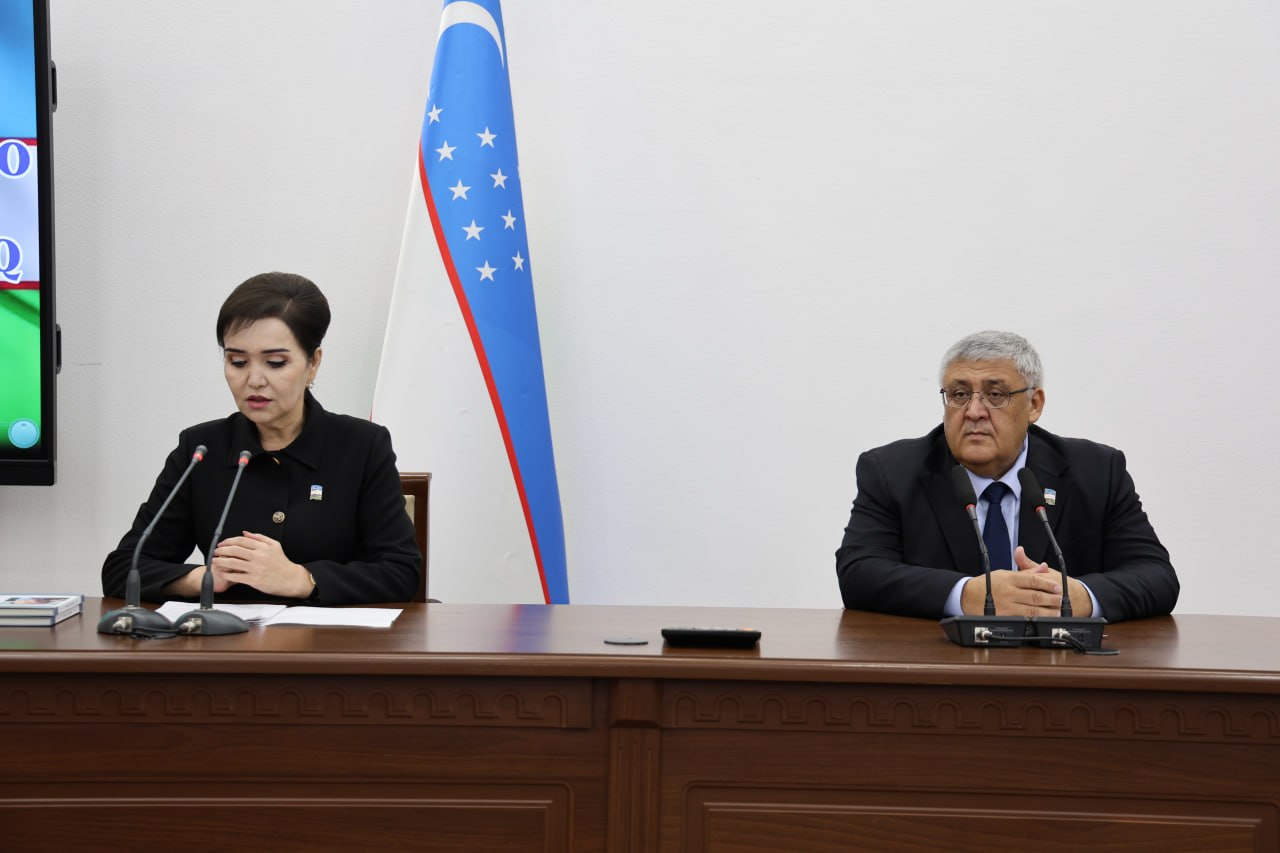
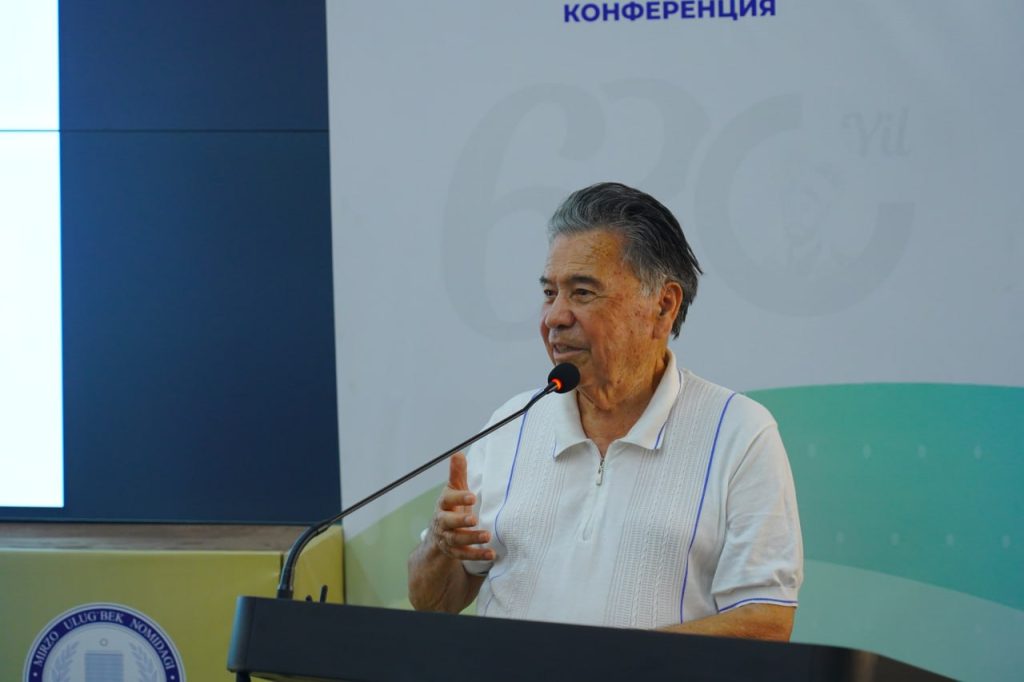
During the official opening ceremony, Sh.A. Ayupov, President of the Academy of Sciences of the Republic of Uzbekistan, delivered a welcoming address and wished the participants a successful conference. It was emphasized that mathematics and modern information technologies currently serve as an important scientific and practical foundation for virtually every area of development.
At the plenary session, specialists presented scientific papers on pressing issues in the field, followed by active academic discussions. In particular, Professor Mersaid Aripov of the National University of Uzbekistan spoke about the prospects for computational models and technologies in Uzbekistan. Renowned Indian scientist Ram Jiwari analyzed the application of high-order finite element methods to engineering problems. Malaysian Professor Adem Kilicman addressed the theoretical and practical aspects of modeling using generalized fractional functions. Kazakh Professor Berdishev Abdumauvlen presented research on the analysis of incompressible magnetohydrodynamic equations involving variable-order Caputo derivatives. Malaysian Professor Abdul Talib Bin Bon delivered a presentation on artificial intelligence and intelligent data-based decision-making technologies for “Smart Factory” applications.
The two-day conference is structured around eight main sections, where presentations and discussions are being held in an intensive academic exchange of ideas. The sections cover a wide range of fundamental and applied topics, including algebra and analysis, differential equations and mathematical physics, computational mathematics, geometry and topology, applied mathematics and mathematical modeling, probability theory and mathematical statistics, information security and engineering technologies, as well as artificial intelligence and intelligent technologies.
Information Service of NUUz