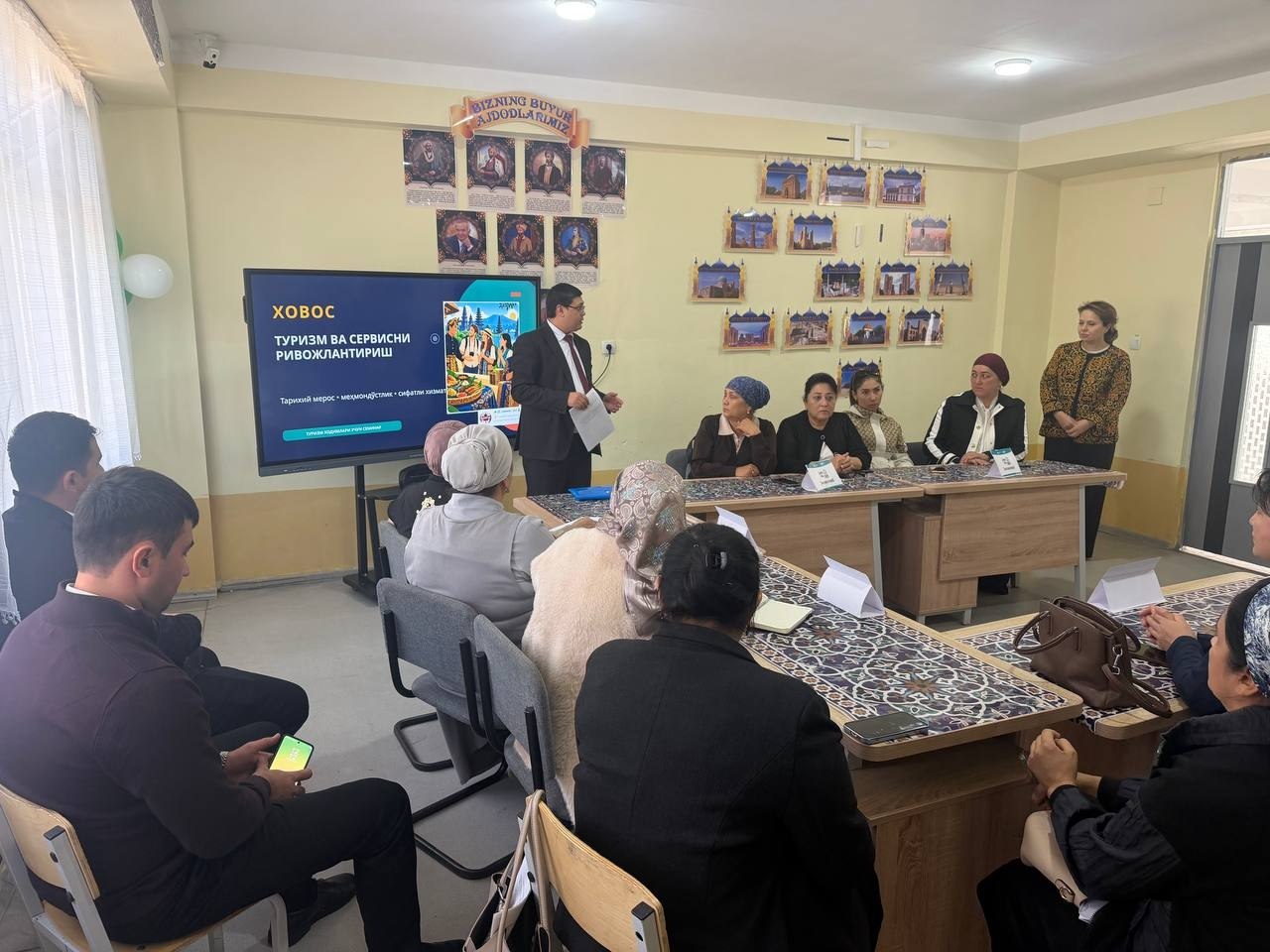
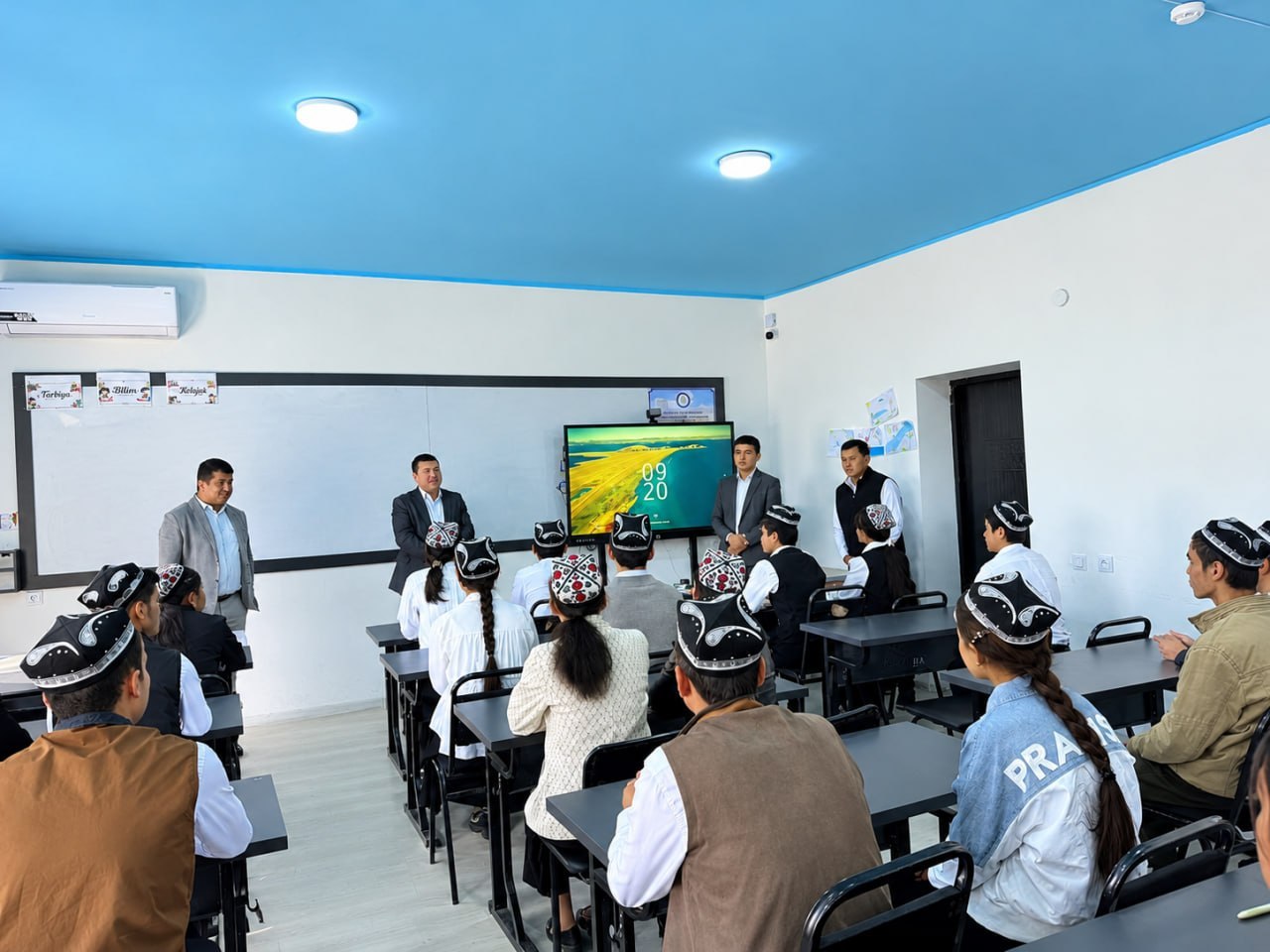
Practical measures are being implemented to fulfil the tasks set by the President of the Republic of Uzbekistan, Shavkat Mirziyoyev, during his visit to Kashkadarya Region, particularly those concerning regional economic development, poverty reduction and youth employment, as well as to put into practice the slogan “Incentives for Knowledge, Opportunities for Work, Support for Initiative.” In this regard, on October 23, members of the National University of Uzbekistan’s working group, designated as an analytical centre for the socio-economic development of Kashkadarya Region, conducted targeted assessments and practical activities involving public and private educational institutions in Qamashi District.
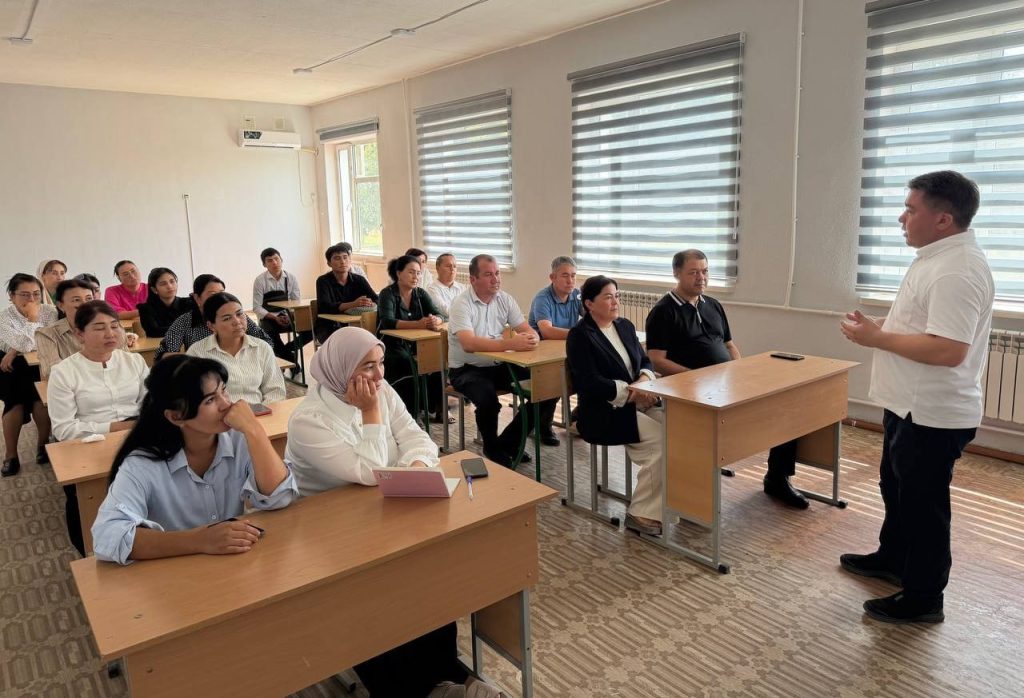
During the visit, efforts were stepped up to establish a departmental branch of the National University of Uzbekistan (NUUz) at Vocational School No. 6 in Qamashi District. The technical condition of the buildings and facilities was assessed, a plan was developed to equip modern laboratories and an information and resource centre, and the adaptation of academic programmes to local economic development priorities was discussed. According to the plans, the final stages of opening the NUUz branch are scheduled to be completed in November–December 2026.
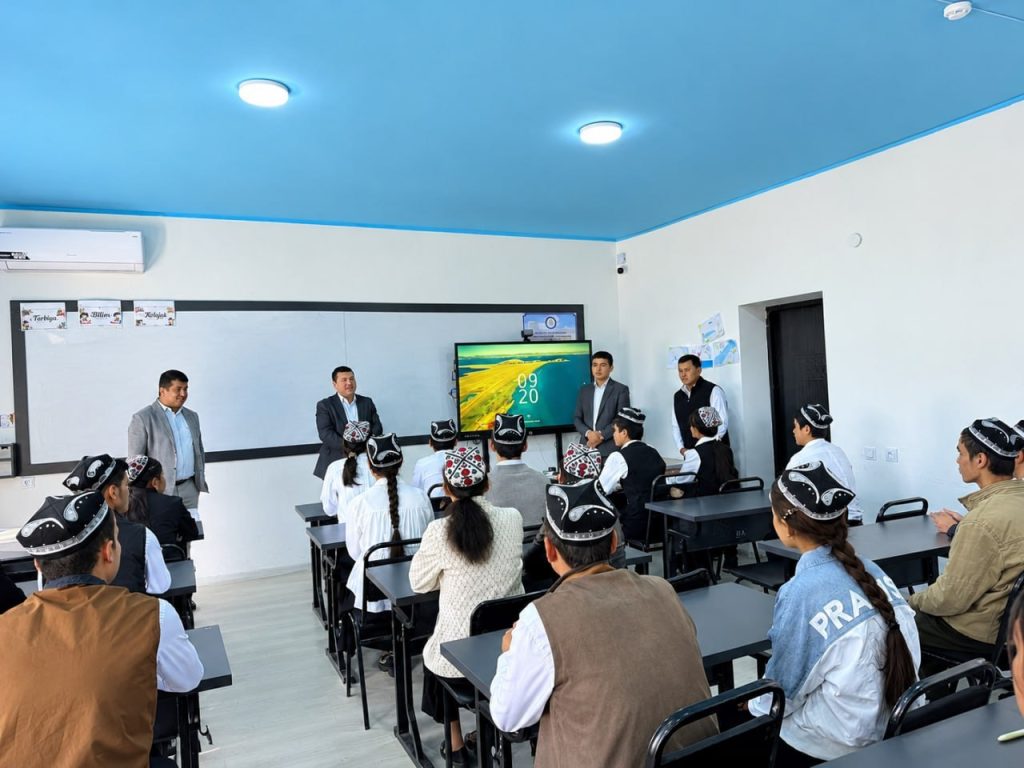
To expand access to higher education for young people from rural communities in remote areas, free and subsidised preparatory courses in fundamental and natural sciences are being introduced at the institution. In addition, practical classes were delivered to university students and school pupils with the involvement of NUUz’s research expertise. Plans also include establishing innovative startup and vocational centres, as well as an IT and foreign languages centre, at the technical college to help students develop the skills needed to earn an income while studying.
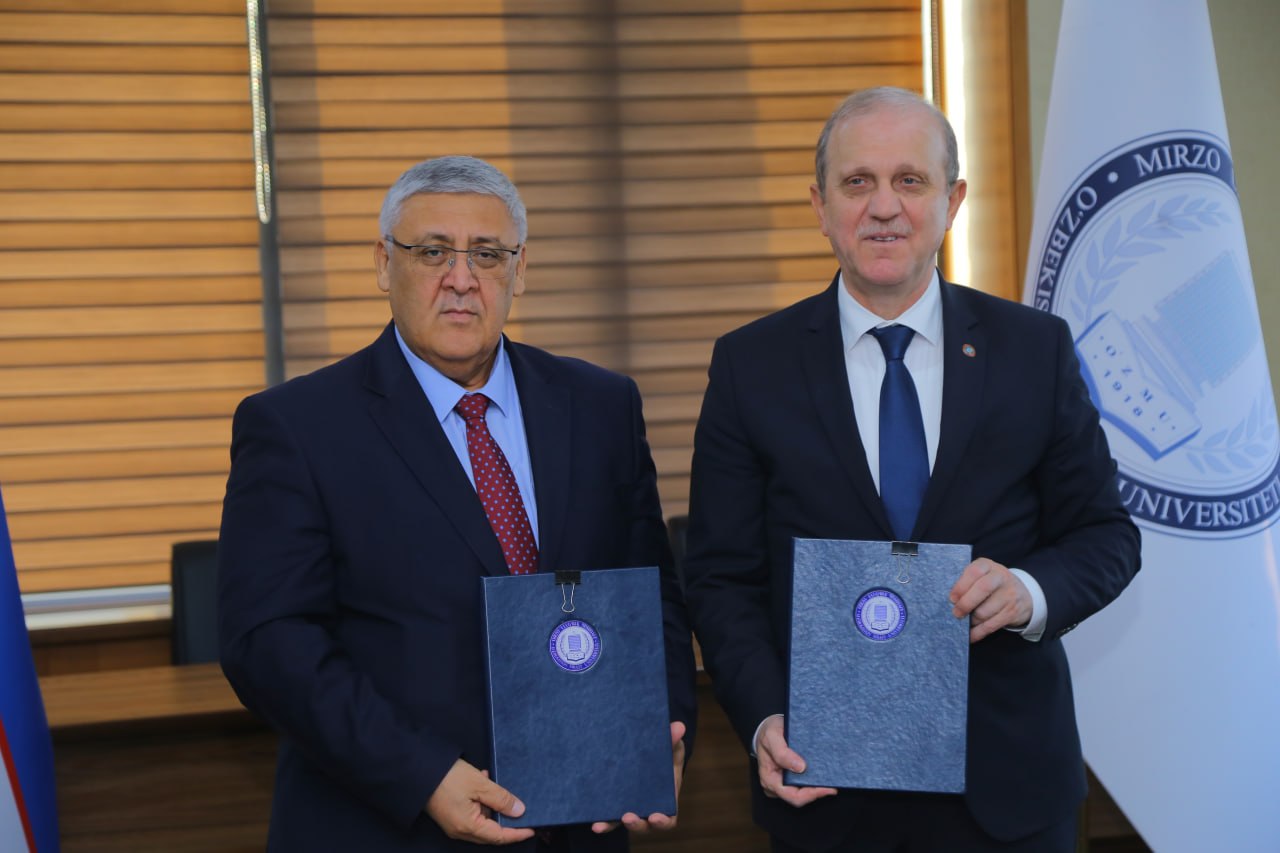
To provide children from socially vulnerable families with vocational skills and prepare them to support their families, a room has been established at Technical College No. 6 in Chim village through cooperation between the National University of Uzbekistan and Karshi State University. Equipped with an electronic board, computers and internet access, the room supports distance learning. Modern practical vocational courses have been launched in artificial intelligence (AI), office software, technical maintenance, graphic design, online marketplaces and e-commerce, digital marketing (SMM), and accounting. Technical college teachers are also being trained to use artificial intelligence tools, while the institution is being supplied with the necessary textbooks and teaching materials.
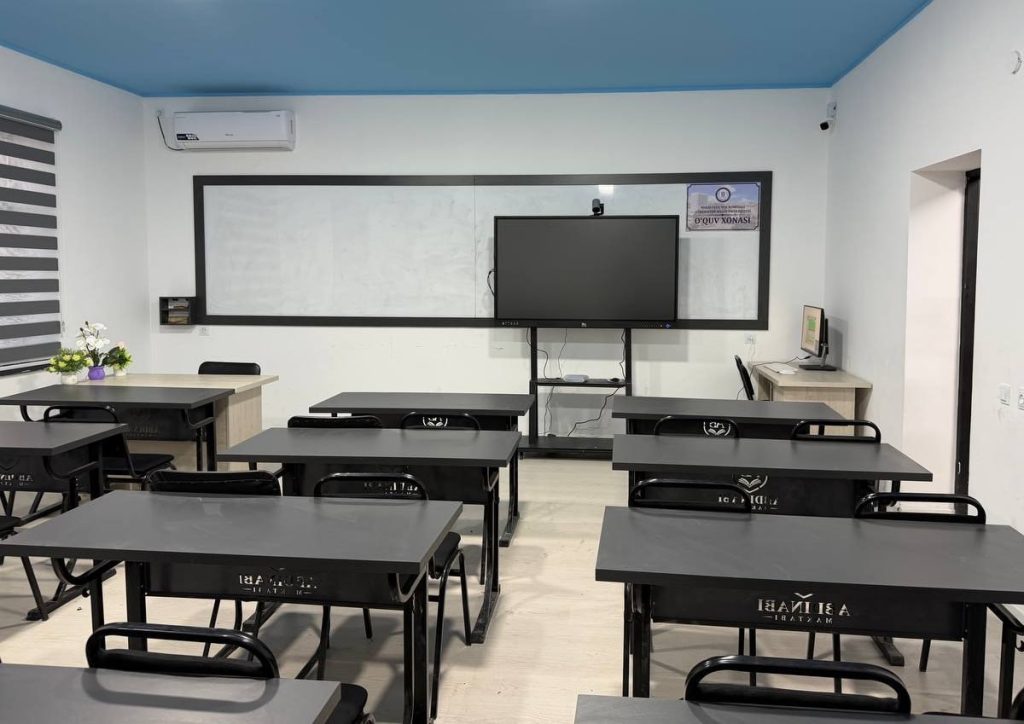
To expand cooperation between higher education institutions and the non-governmental education sector, a strategic partnership has been established with Abdunabi Private School in the district. As part of this initiative, a local talent pool has been formed from young professionals from Kashkadarya who graduated from our university, helping provide them with employment opportunities. The school has introduced courses in programming, internet marketing, foreign languages and preparation for admission to higher education institutions. NUUz professors and lecturers have conducted masterclasses for the private school’s teachers, provided the institution with methodological, educational and popular science publications, and arranged for talented graduating students to undertake practical training at the school.
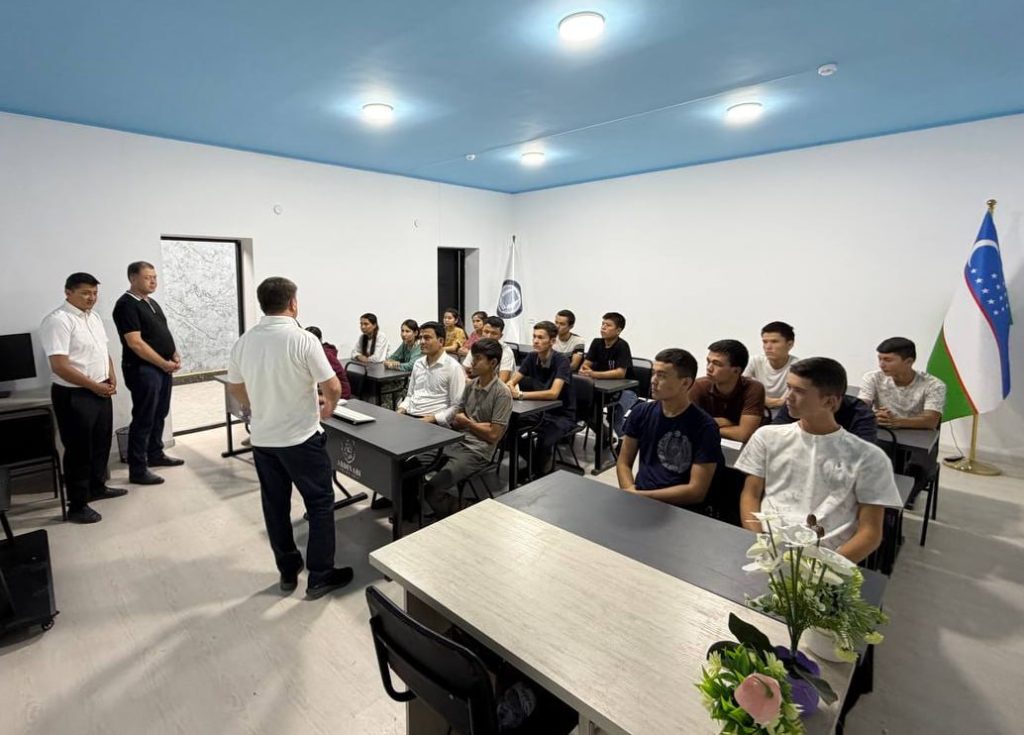
Looking ahead, plans include introducing a permanent “Schools of Excellence” system at Abdunabi Private School and involving pupils as partners in startup projects. To identify talented young people at an early stage and direct them towards the NUUz branch, subject Olympiads and intellectual competitions will be organised for upper-grade pupils at schools across the district.
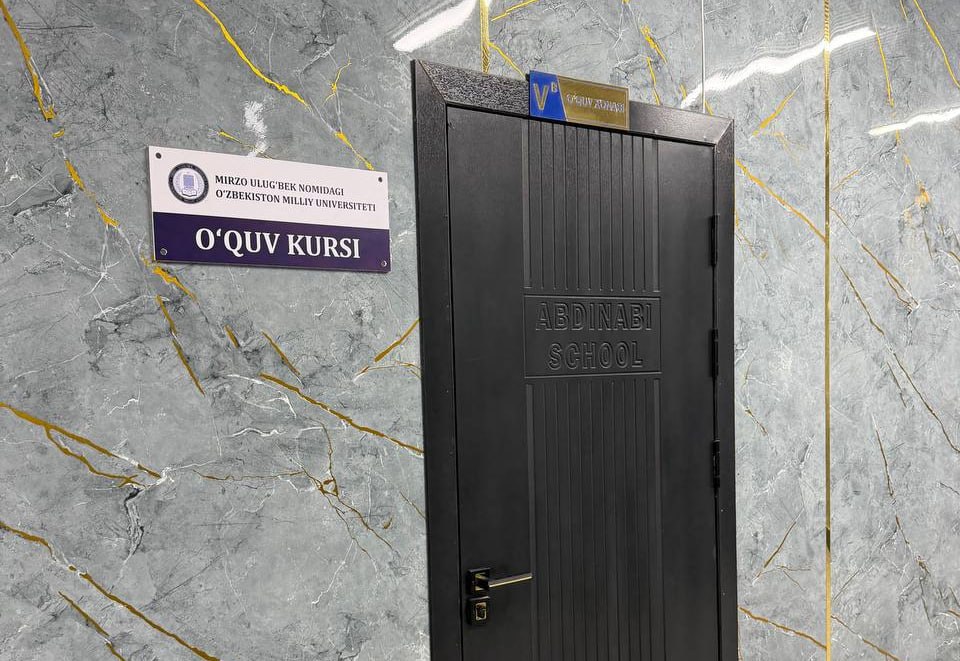
These comprehensive measures are aimed at strengthening public–private sector partnerships, improving the quality of education and equipping young people with skills for modern professions.