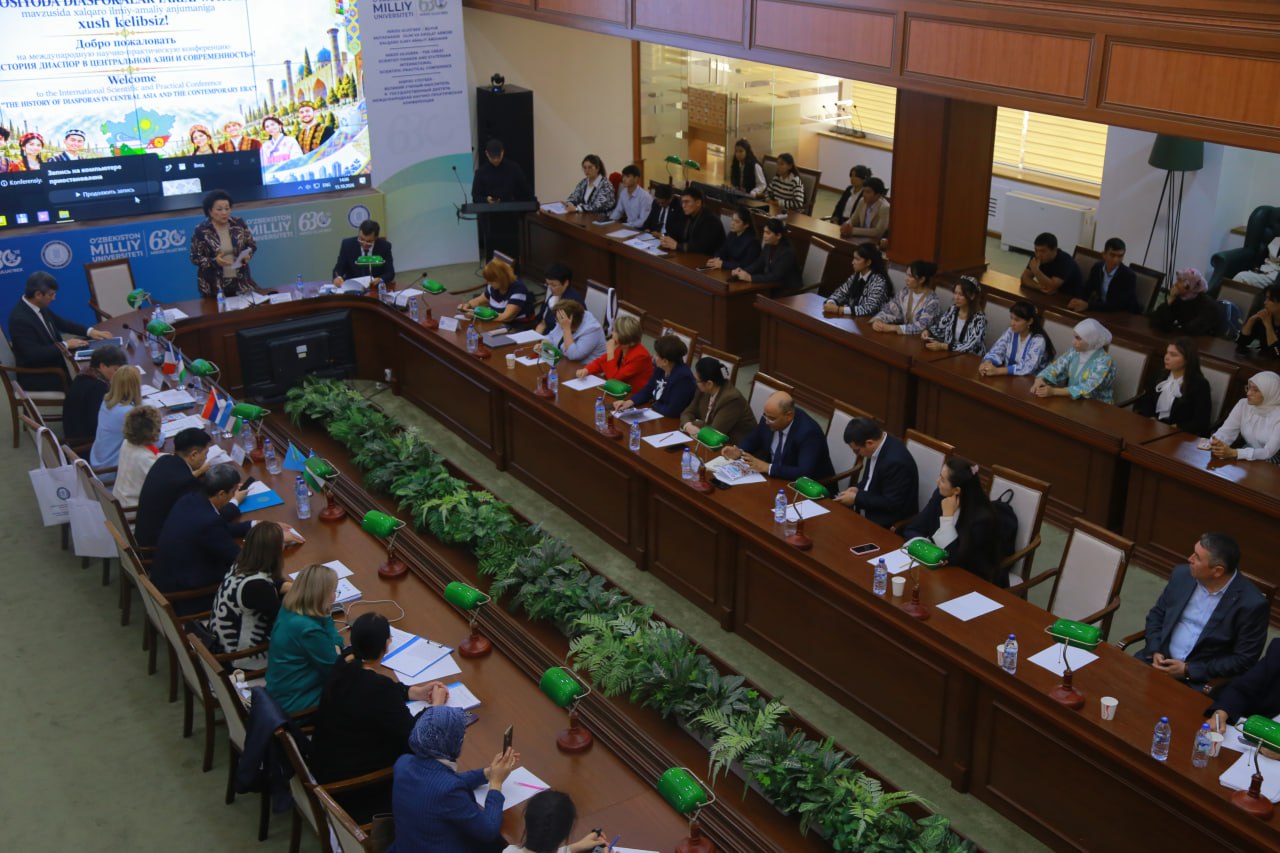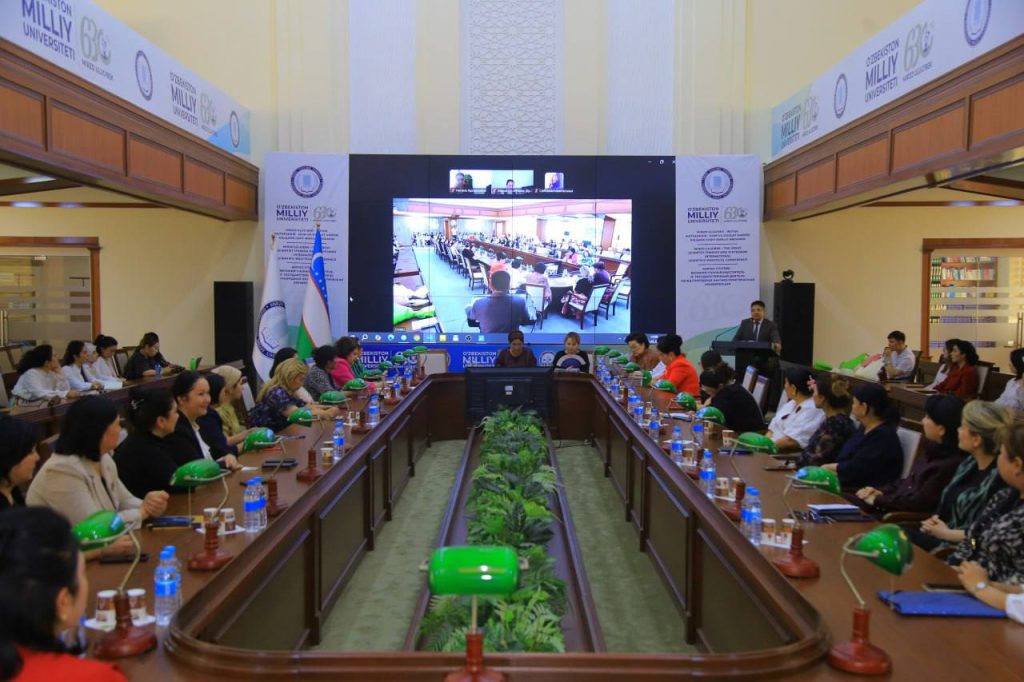
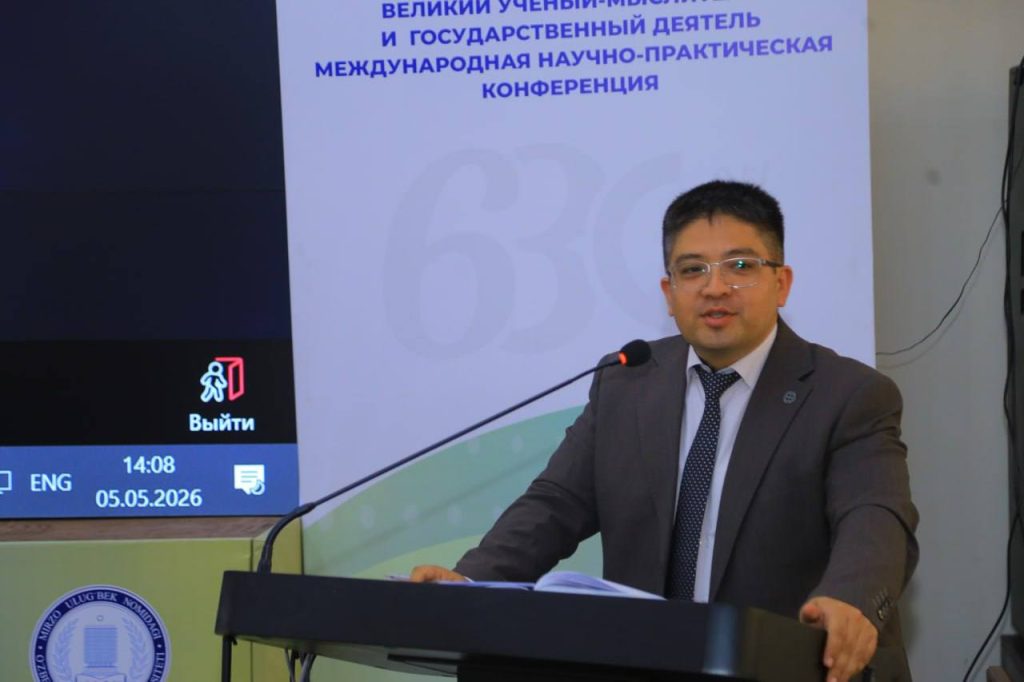
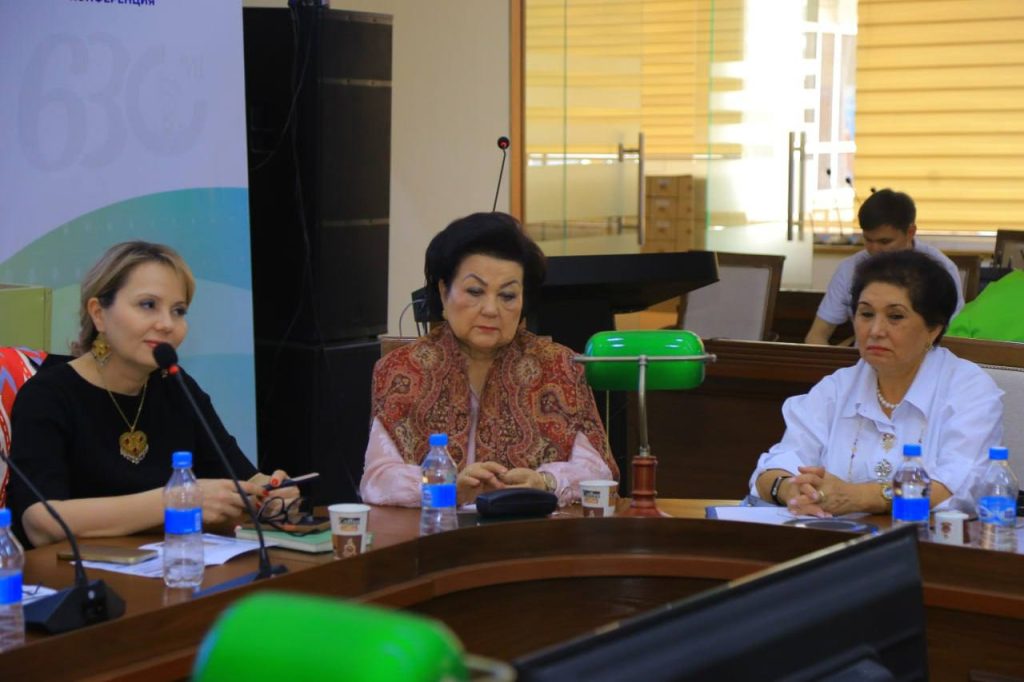
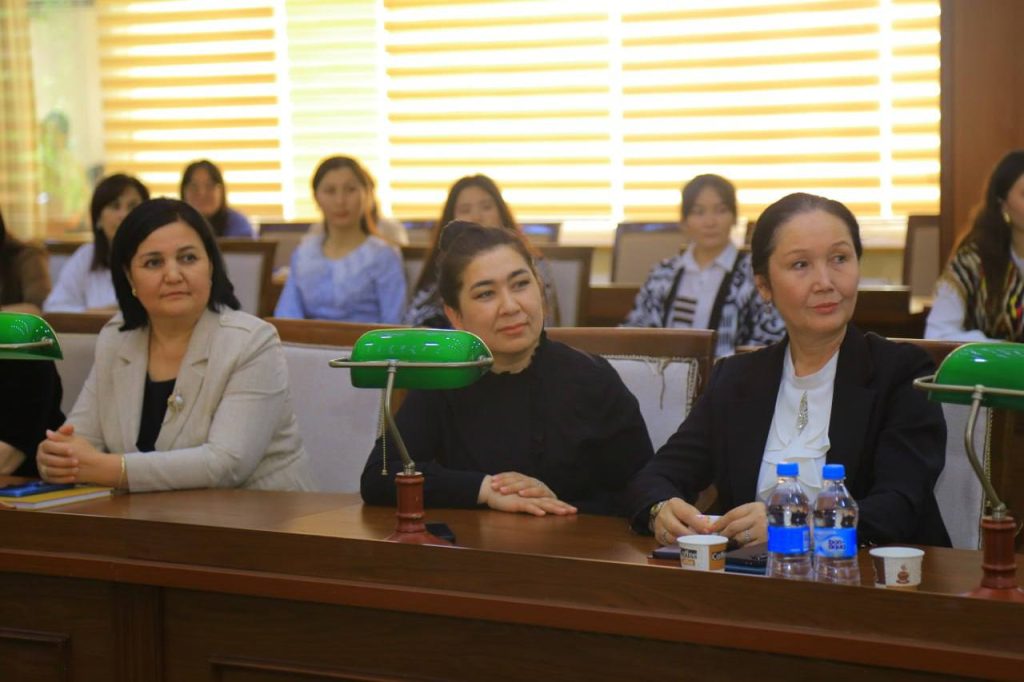
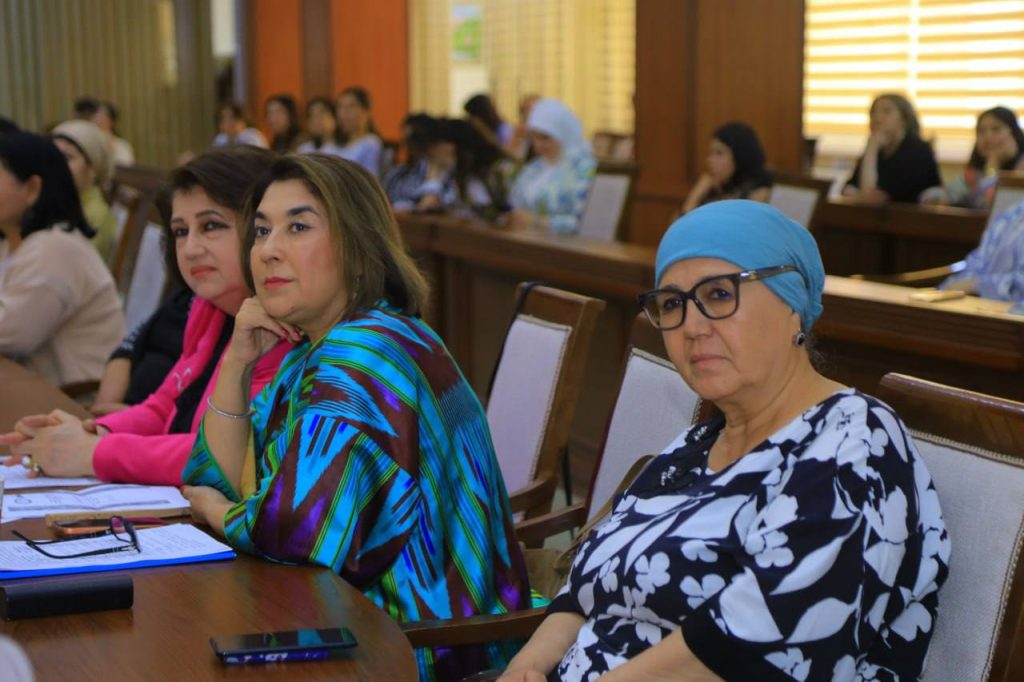
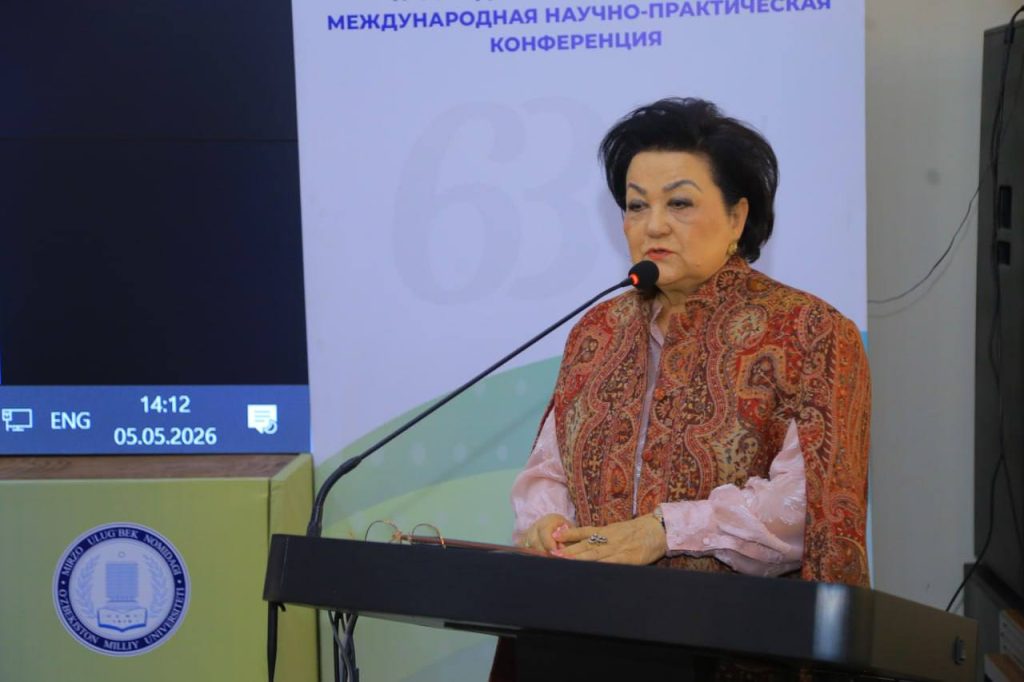
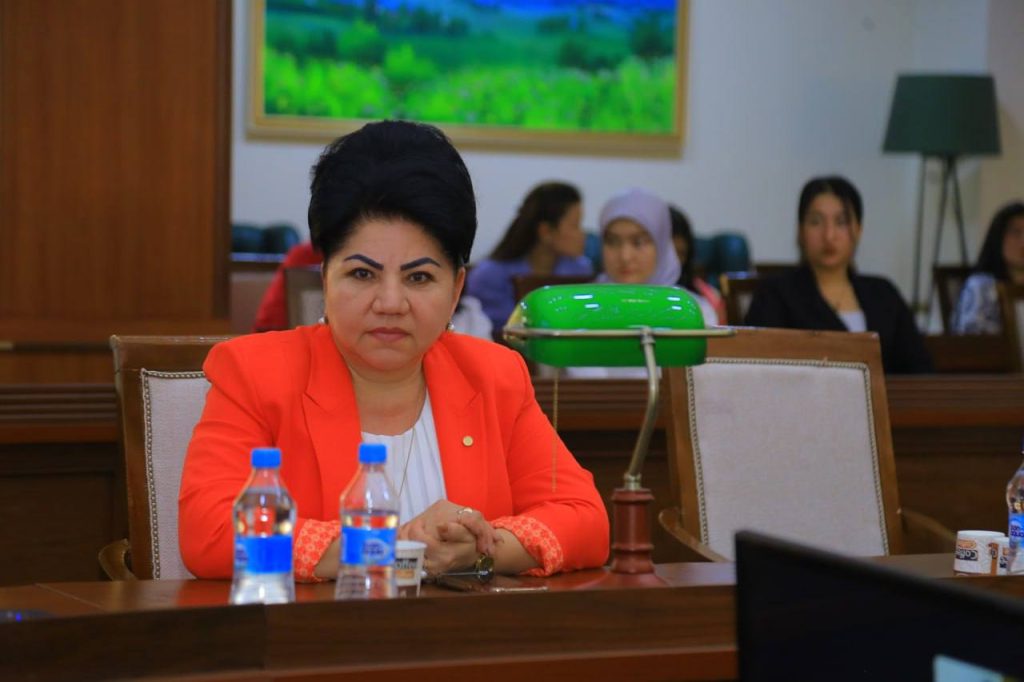
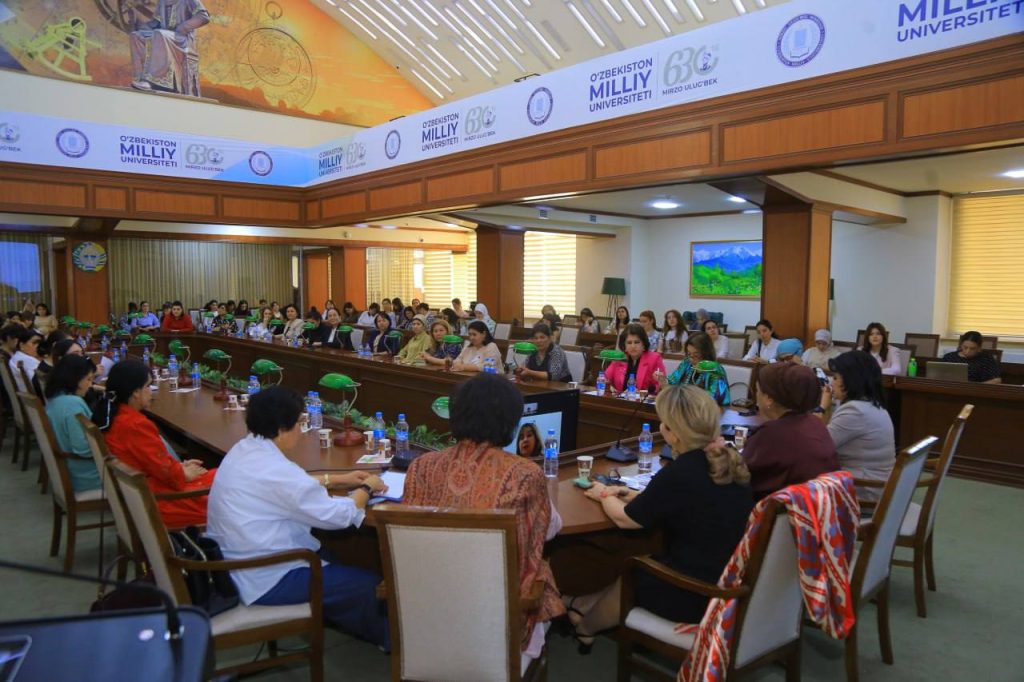
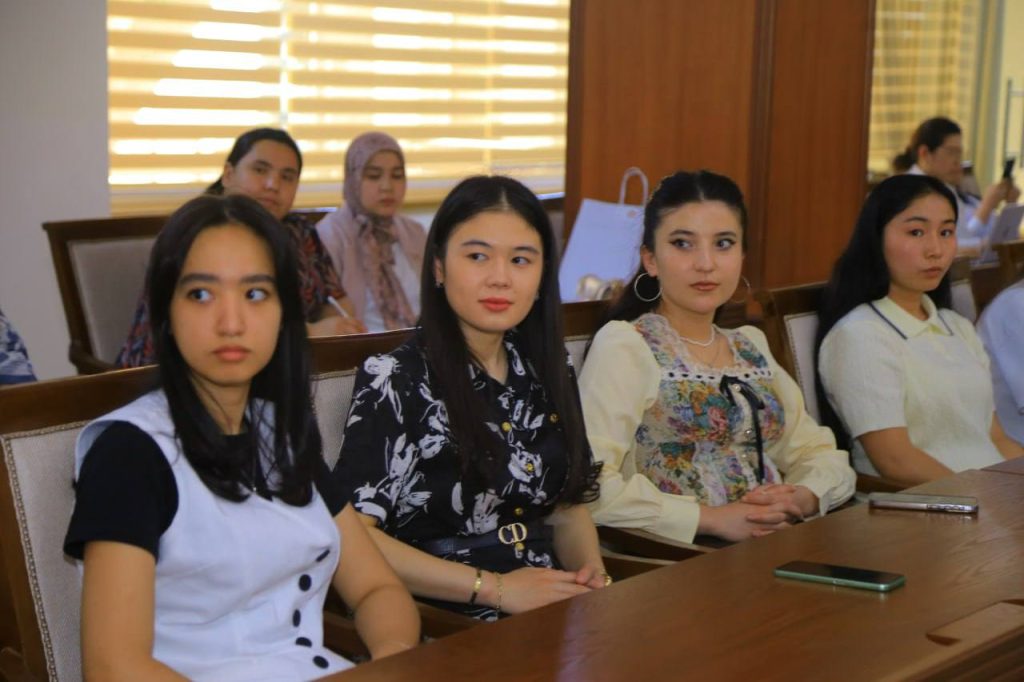
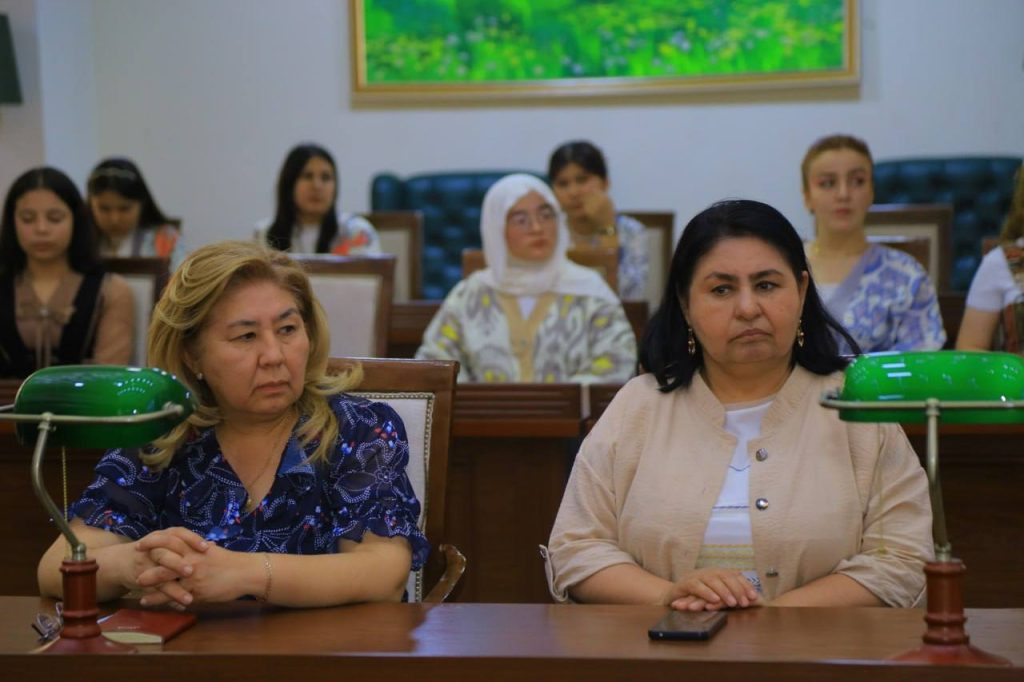
 Today, a prestigious international round table themed “Scientific-Theoretical Analysis of the Development of Science in Uzbekistan and the Role of Women Scientists in Social Progress” was held at the National University of Uzbekistan named after Mirzo Ulugbek.
The event was organized by the Faculty of Social Sciences of the university in cooperation with the “Olima” Association of Women Scientists of Uzbekistan. Professor L.A. Mukhamedjanova, from the Department of Philosophy, opened the session and served as the moderator. The gathering brought together dedicated scientists, international experts, and industry specialists.
A significant highlight of the event was the active participation of two international academicians: Natalya Seytakhmedova, Academician of the Academy of Sciences of Kazakhstan, who presented on “The Role of Women in Science: The Kazakhstan Case,” and Irina Karimova, Academician and Vice-President of the Academy of Education of Tajikistan, who spoke on “An Educated Woman is the Foundation of a Strong Nation.” The content of the event was further enriched by presentations from foreign scholars, including Professor Lyudmila Kim from Columbia University.
During the discussion, Gulrukh Agzamova, Chairperson of a Committee of the Legislative Chamber of the Oliy Majlis of the Republic of Uzbekistan and Doctor of Philosophical Sciences, delivered a speech on “Women’s Participation in Lawmaking: Legal Guarantees and Mechanisms.” Professor Rakhbarkhon Murtazaeva, Chairperson of the “Olima” Association, highly praised the contribution of the region’s women scientists toward achieving sustainable development goals. Additionally, leading university scholars Nigina Shermukhamedova and Dilbar Mukhamedova shared insights on the transformation of women’s activities in the context of globalization and current issues in the development of psychological science.
The round table provided a comprehensive analysis of the role of women in fields such as philosophy, psychology, and sociology, acknowledging their intellectual heritage in human history and their innovative ideas in modern society. Participants scientifically justified the achievements of women in social work and the education system.
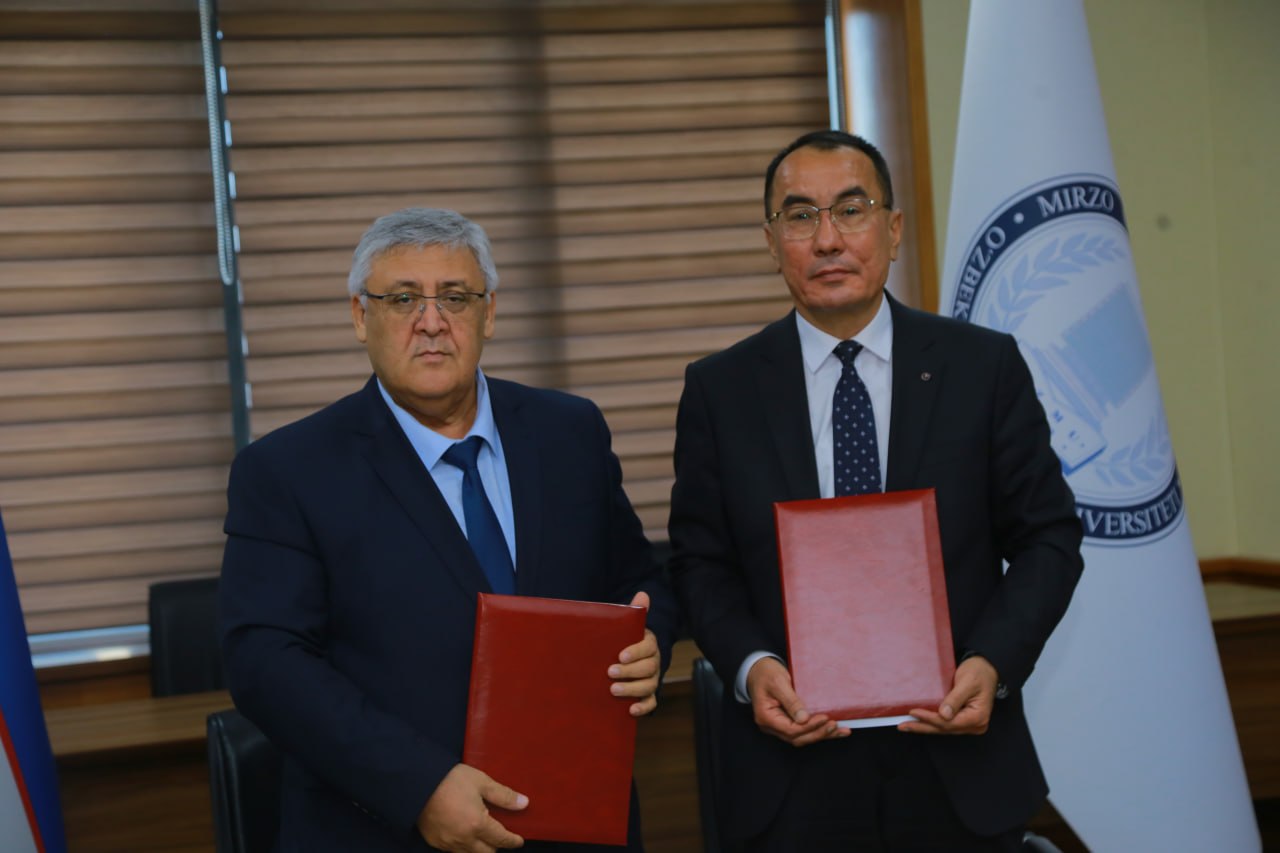
At the conclusion of the event, distinguished guests and active participants were honored. It was noted that this conference marked another significant step in enhancing the scientific potential of the National University of Uzbekistan. This platform served as a masterclass not only for experienced scholars but also for young female researchers, providing a foundation for future scientific projects.