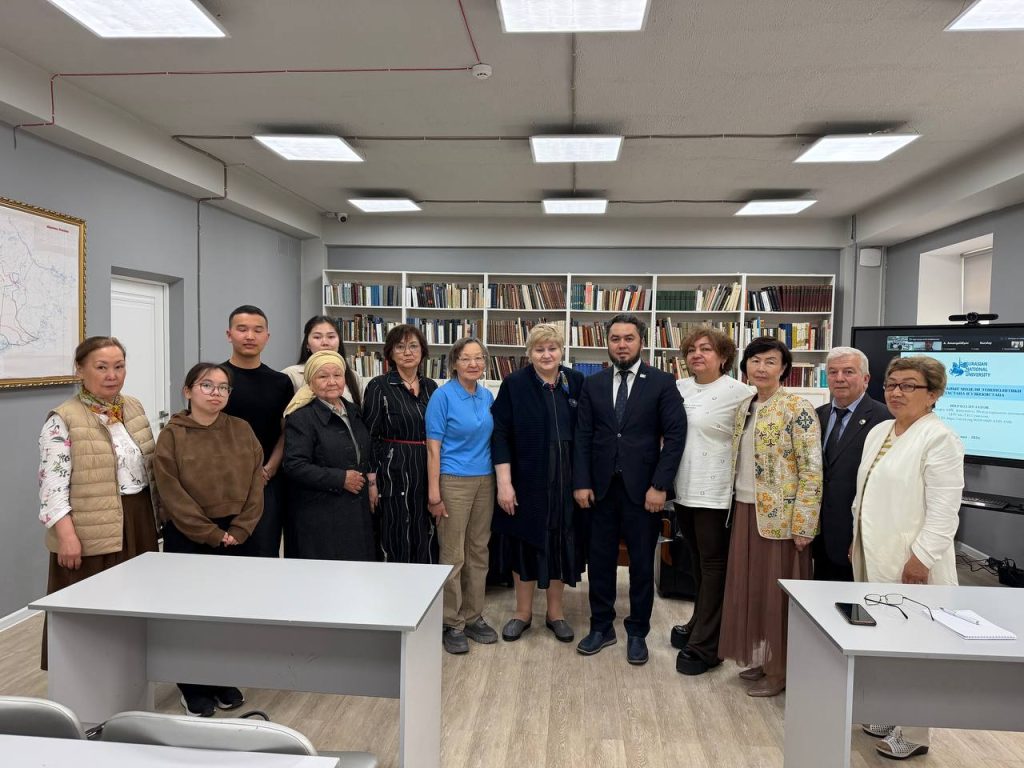
The “Otrar” Library of the L.N. Gumilyov Eurasian National University in the capital of Kazakhstan hosted the presentation of a new monograph by Professor Alisher Muminov, Dean of the Faculty of History at the National University of Uzbekistan, titled “Directions of National Policy in the Spiritual and Enlightenment Sphere in New Uzbekistan.”
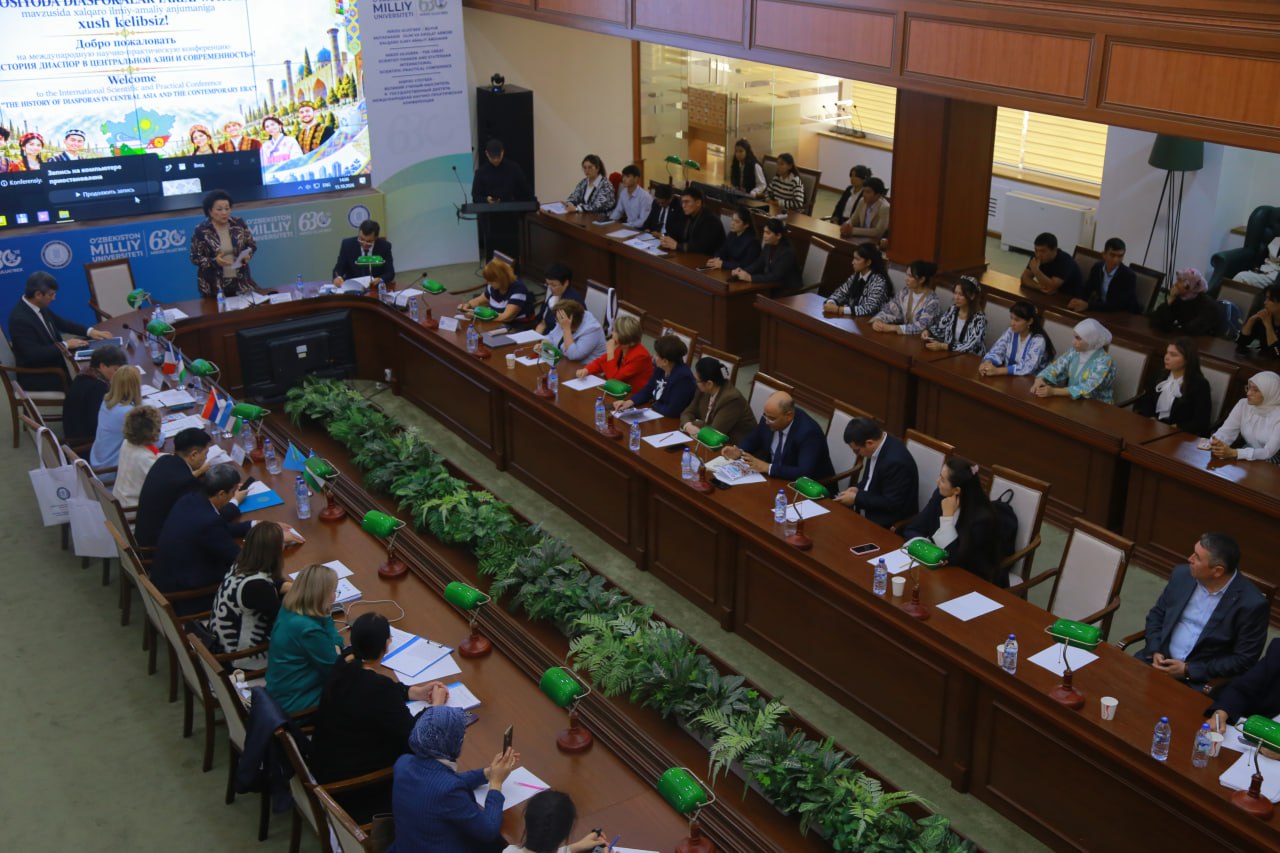
The event was attended by leading political scientists, historians, members of the diplomatic corps, and public administration experts, who highly praised the scholarly significance of the work in strengthening regional stability.
The monograph provides a profound analysis of New Uzbekistan’s humanitarian paradigm, reinforced by the 2023 constitutional reforms. The author scientifically substantiates the concept of a “concord ecosystem,” covering new models of cooperation between the state and civil society, specifically the activities of over 150 national cultural centers. Furthermore, it highlights that the rich heritage of the Eastern Renaissance figures—Amir Temur, Mirza Ulughbek, and Alisher Navoi—serves as a primary spiritual pillar in shaping a modern active civic position.
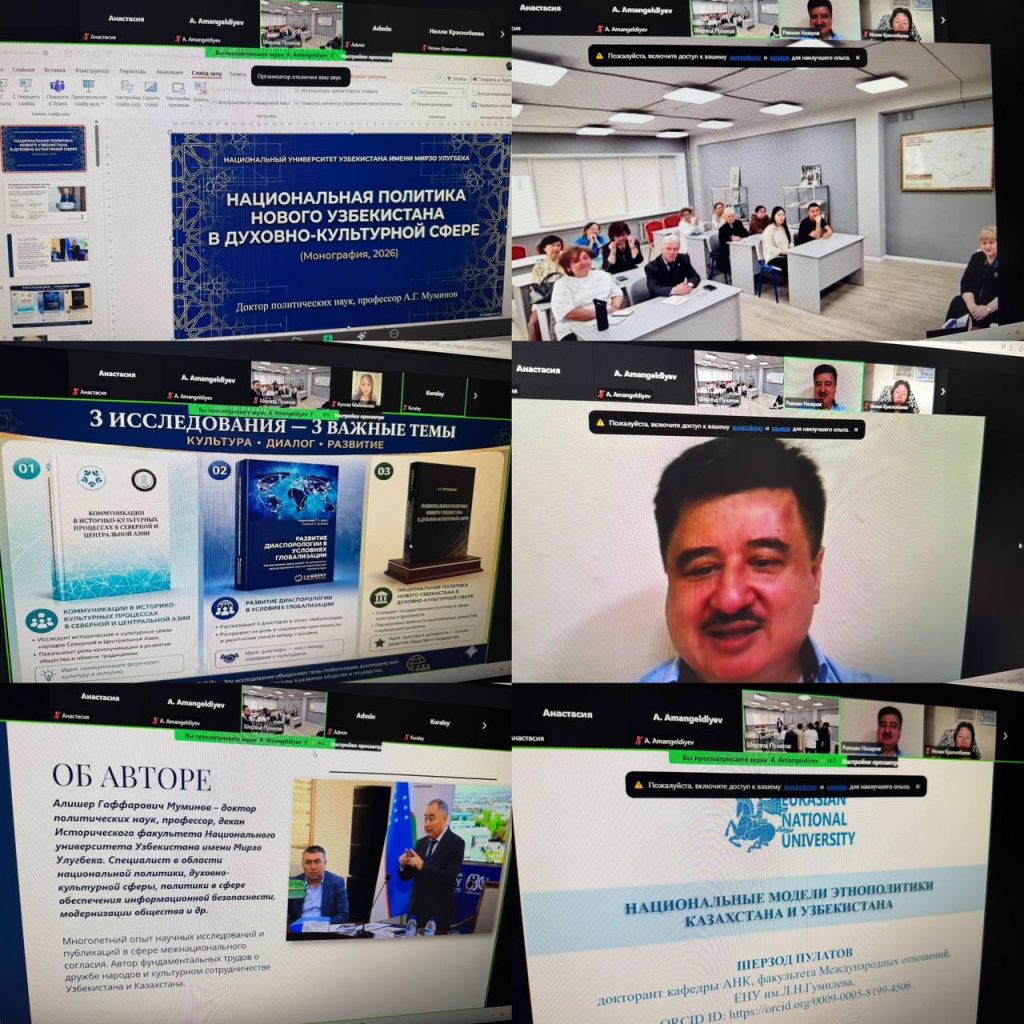
During the event, Sherzod Pulatov, Chairman of the Uzbek Ethnocultural Center in Astana, emphasized that this work is a vital resource for illuminating Uzbek-Kazakh brotherhood and the shared historical roots of the two nations. In his view, preserving national identity in the era of globalization and educating the youth in the spirit of “public diplomacy” are among the most crucial aspects of the monograph. The book was recognized not only as a theoretical study but also as a unique “roadmap” for ensuring interethnic harmony in Central Asia.
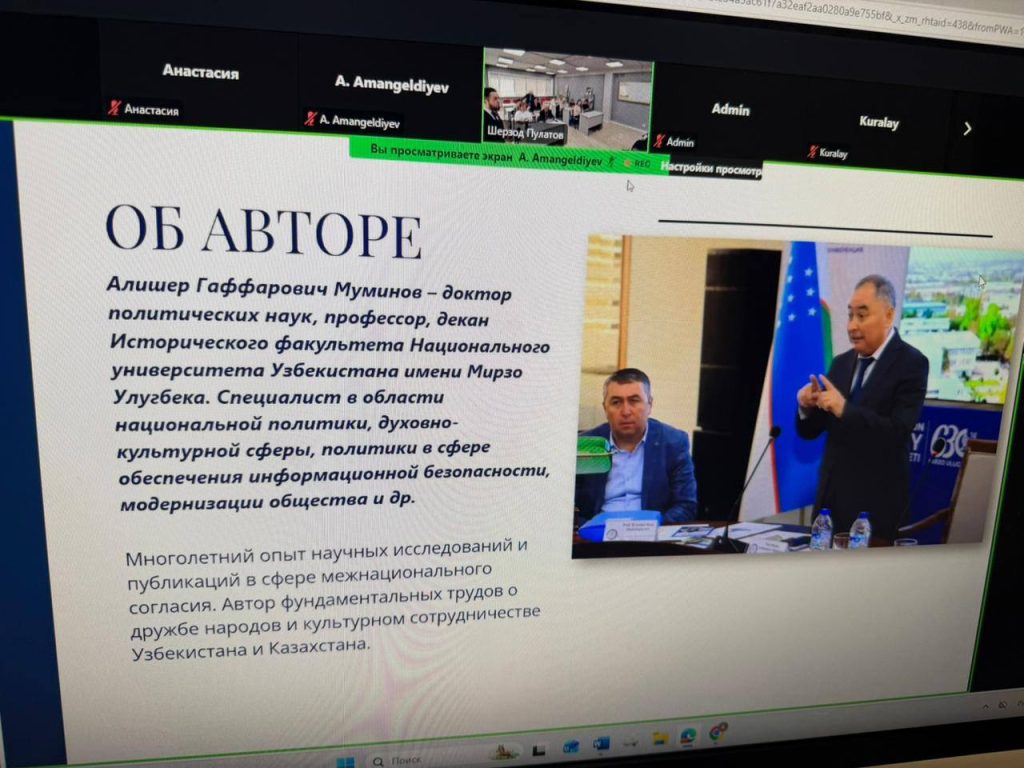
In conclusion, Professor Muminov’s work contributes to transforming the ideals of tolerance into a practical mechanism for state and societal development. This presentation has elevated the scientific and cultural dialogue between Uzbekistan and Kazakhstan to a new level and represents a significant step toward strengthening regional strategic partnership through scientific analysis