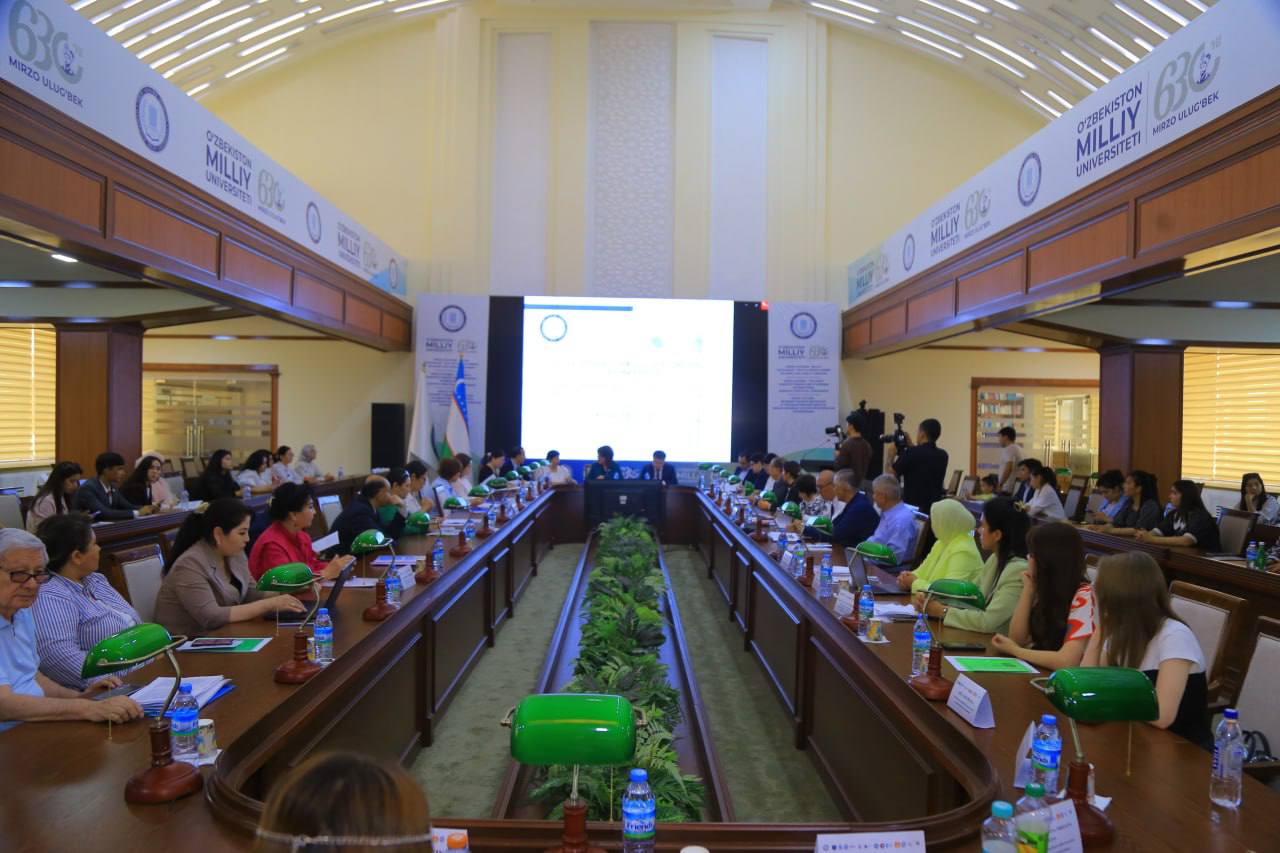
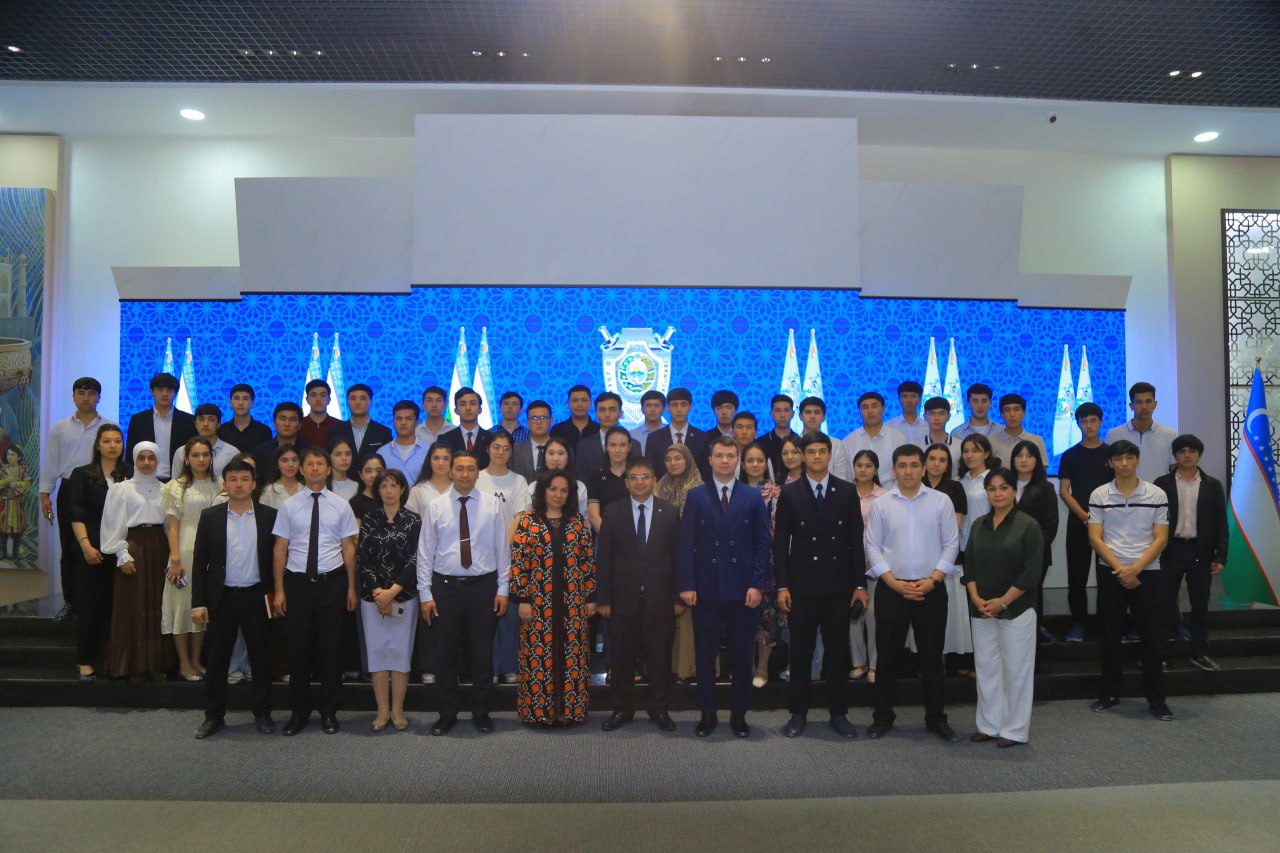
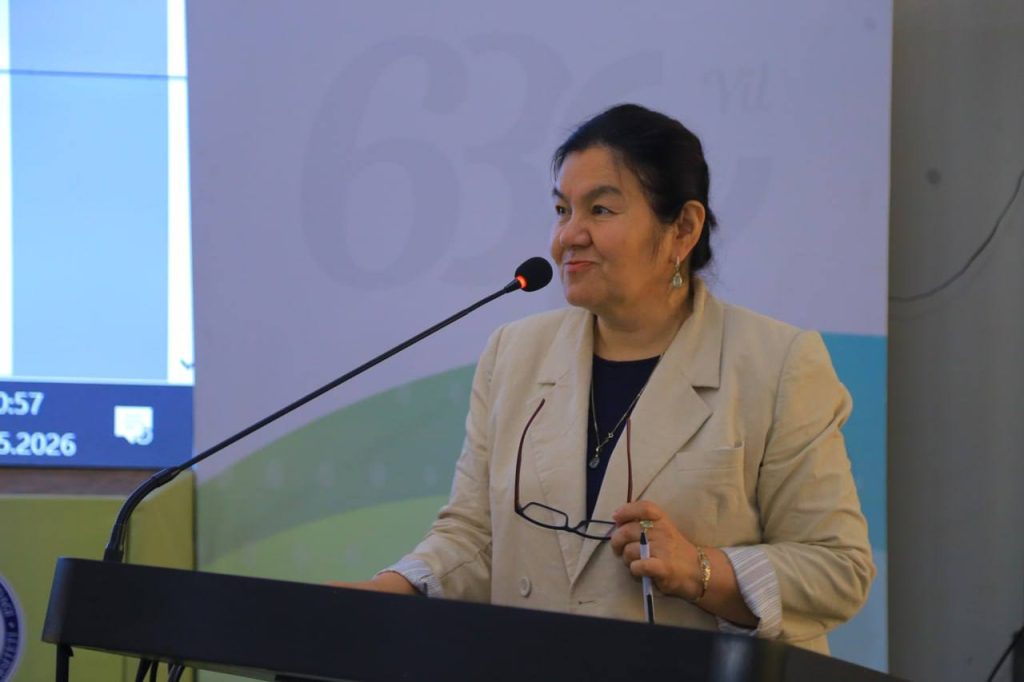
The international scientific-practical conference titled “Journalism, Communication, and Creative Economy: Development Trends, Education, and Technologies” has commenced at the National University of Uzbekistan named after Mirzo Ulugbek. Speaking at the opening ceremony, the Vice-Rector for Research and Innovation, Yakub Ergashev, emphasized that this event is a significant step toward strengthening NUUz’s position in the international scientific arena and establishing new academic standards in modern journalism education.
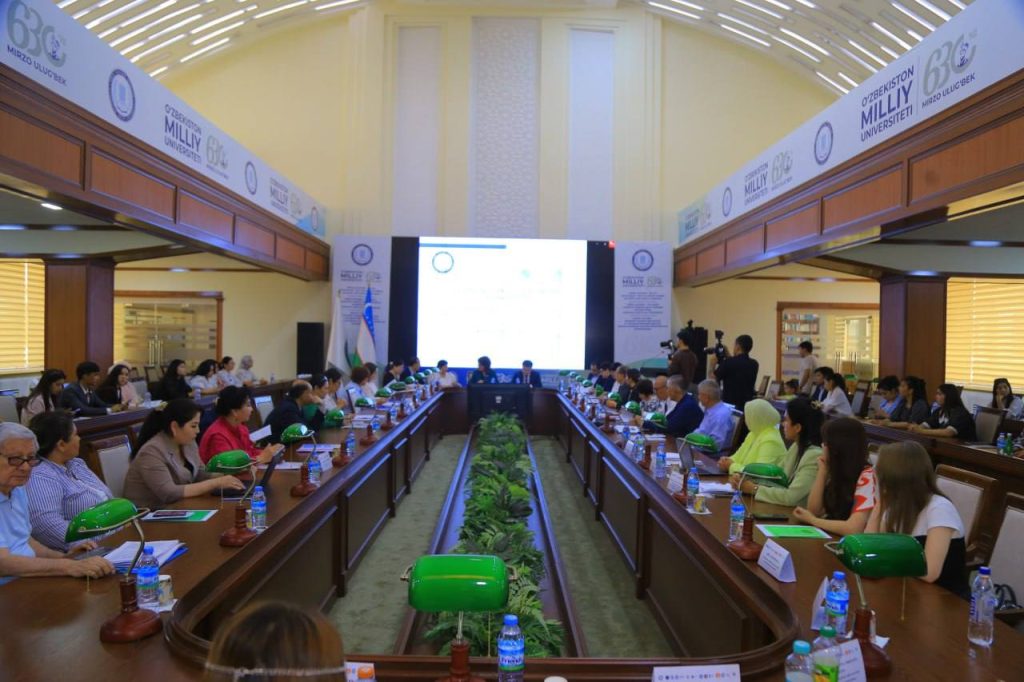
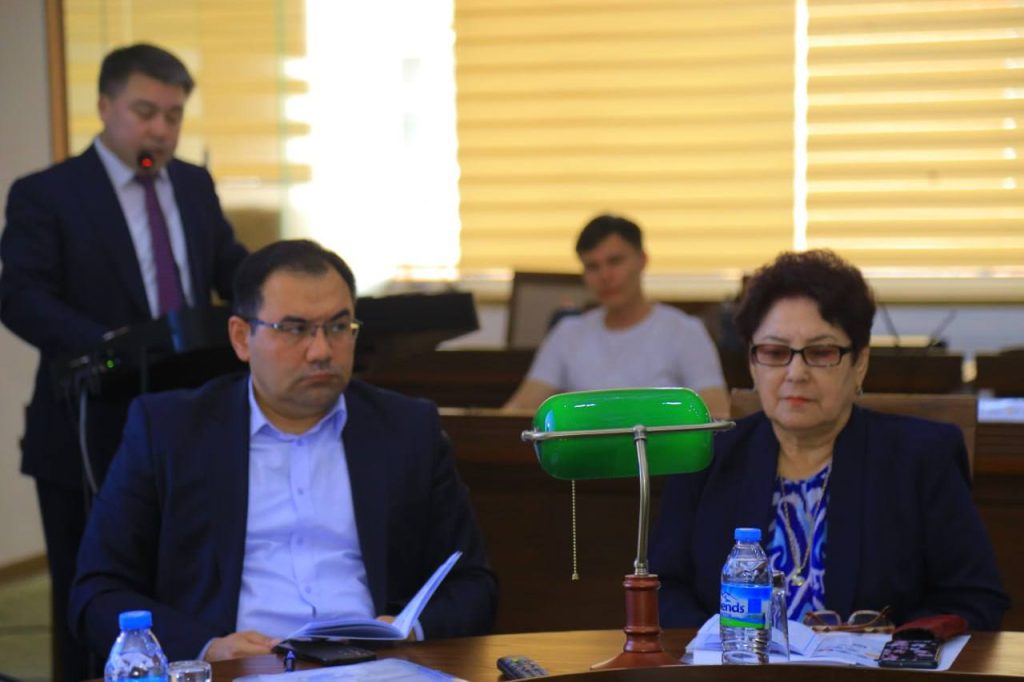
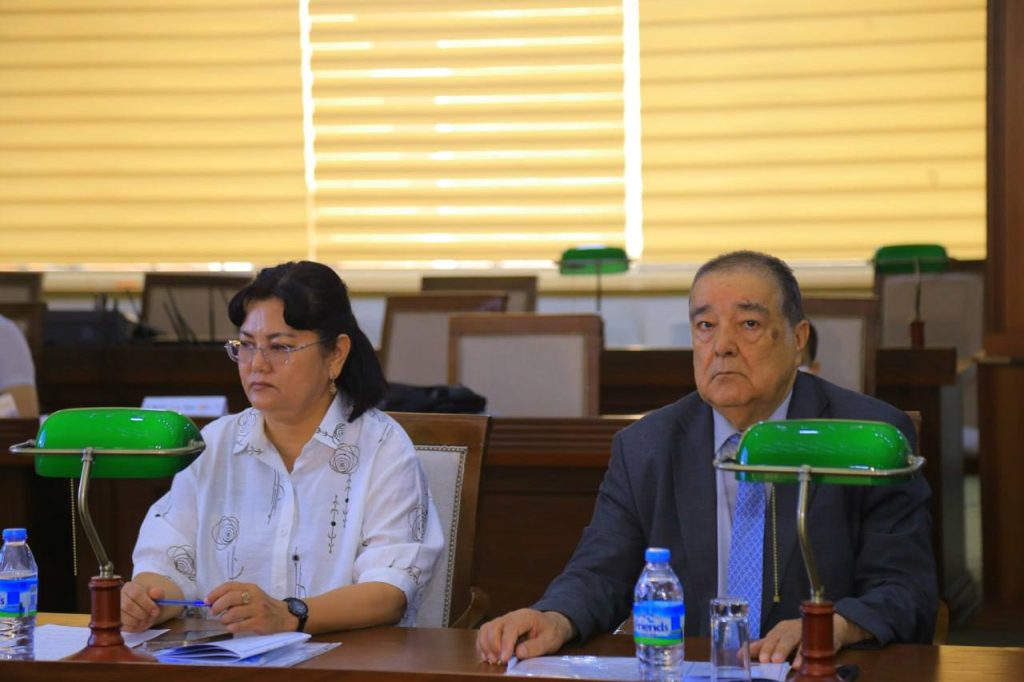
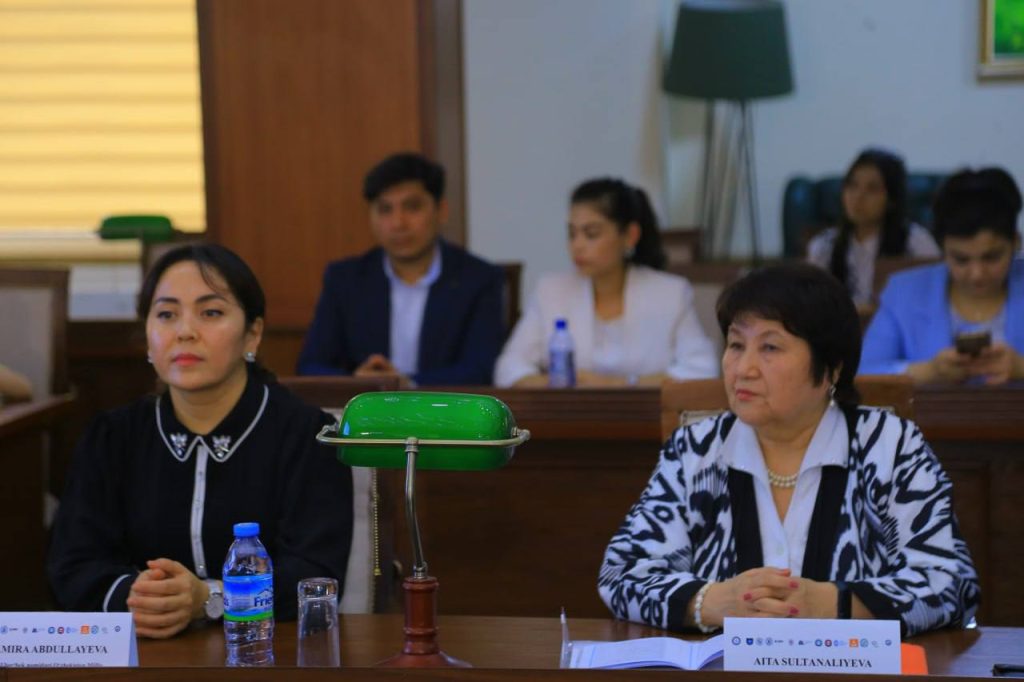
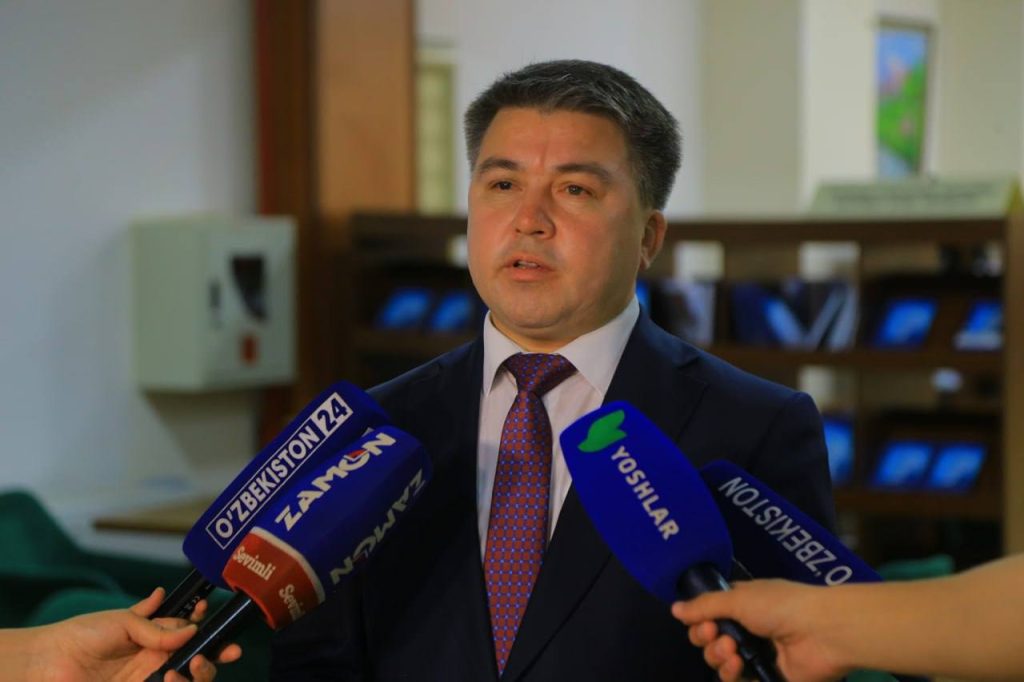
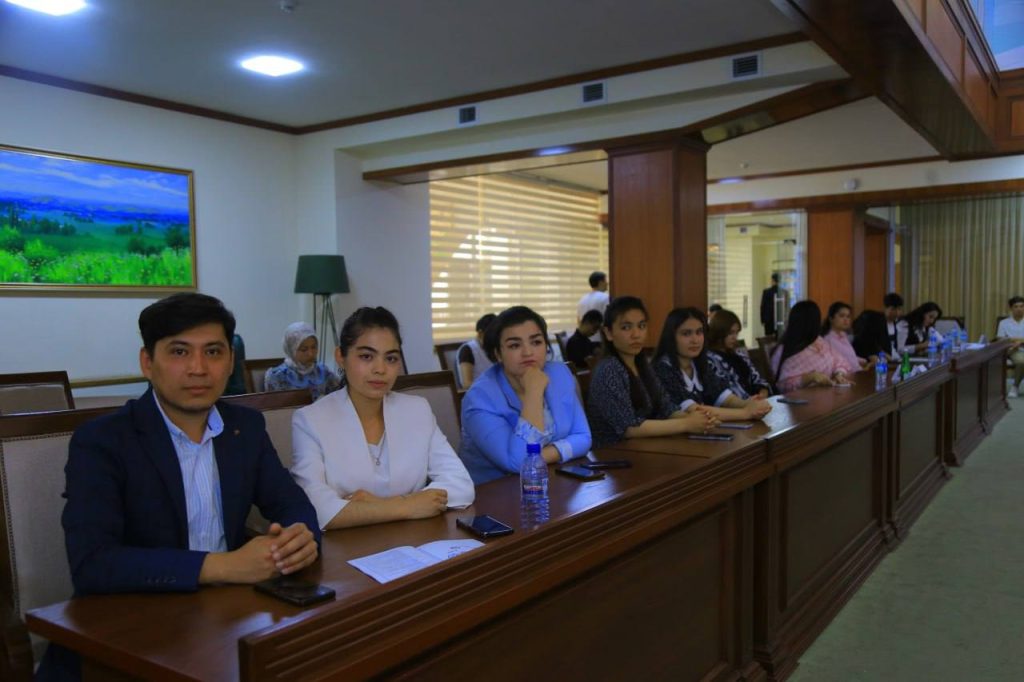
The scientific discussions of the conference focus on the utilization of artificial intelligence capabilities within the media ecosystem, the improvement of fact-checking technologies to combat disinformation, and elevating journalism education to a new level amidst global information exchange.
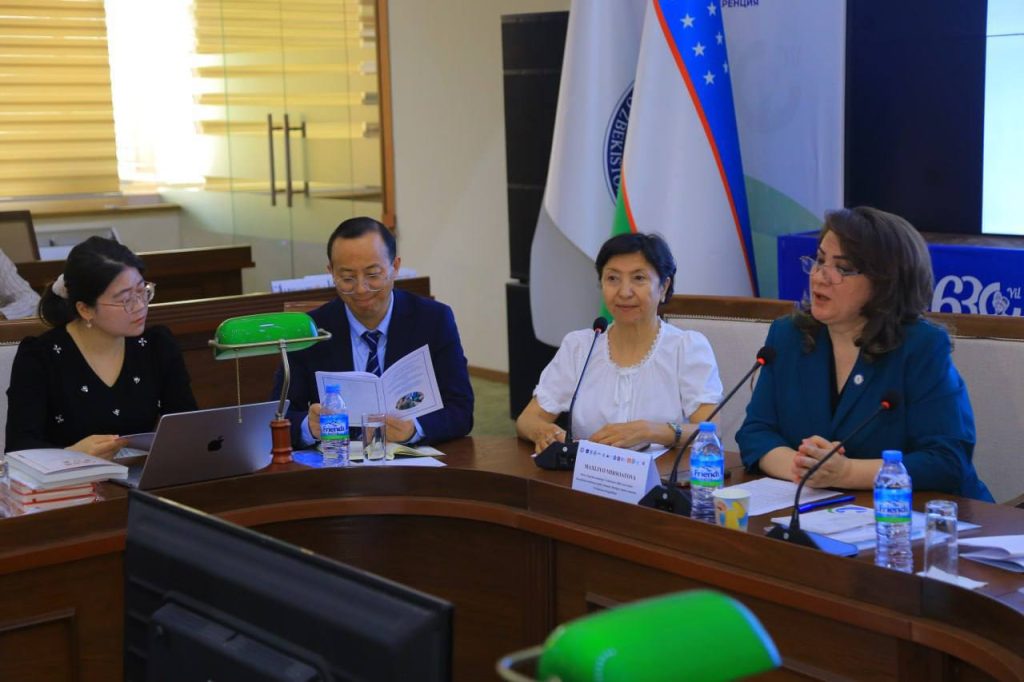
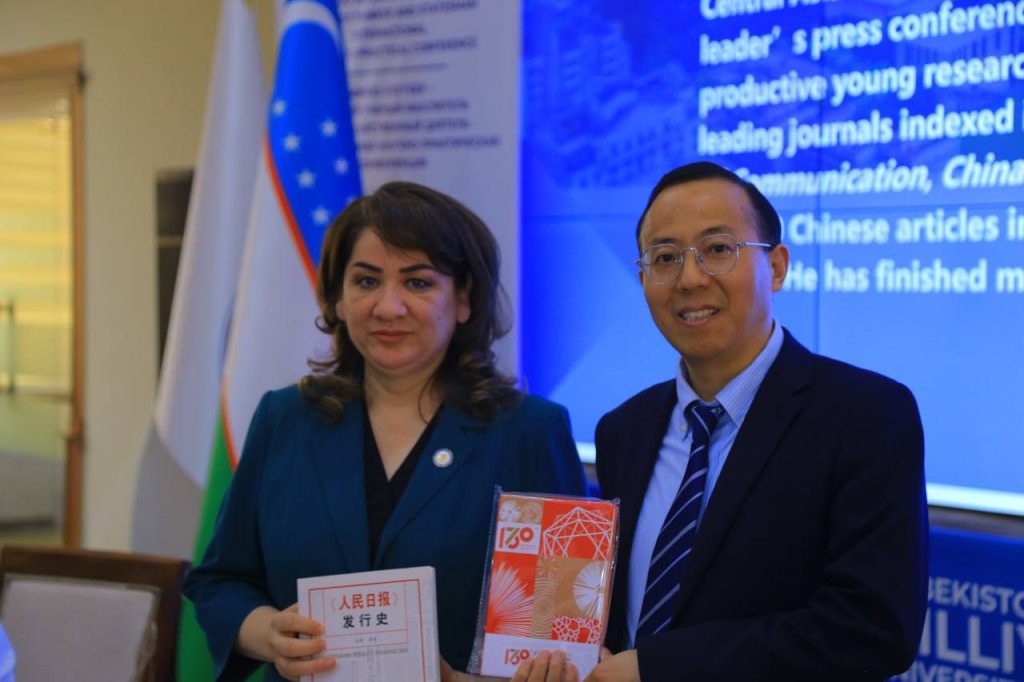
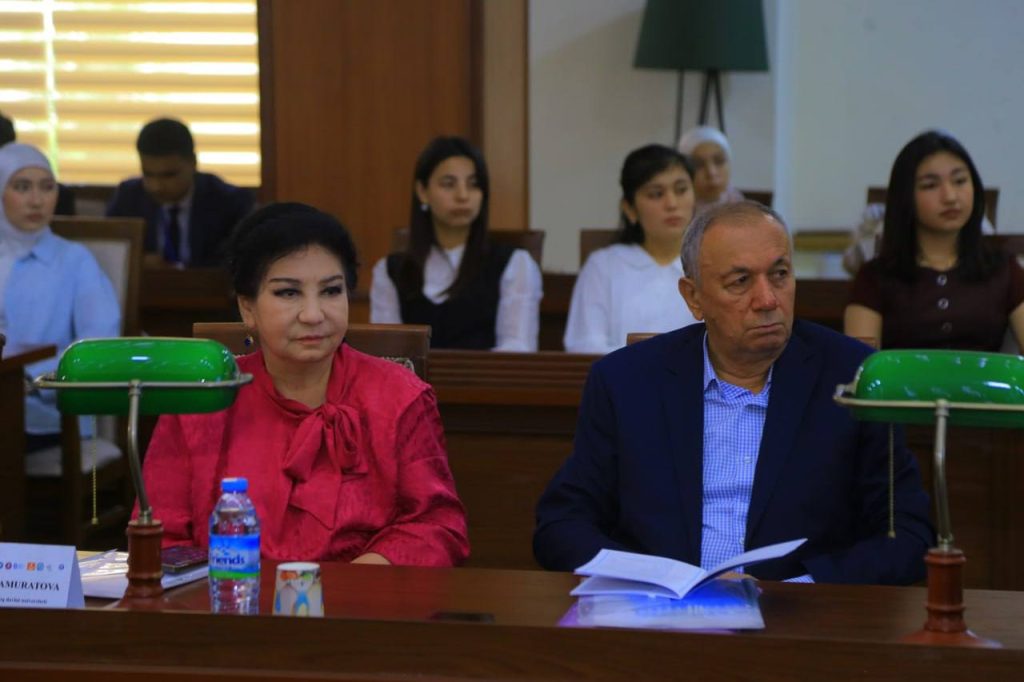
The opening ceremony was attended by influential representatives and experts, including Gulnora Babajanova, Director of the Center for Retraining Journalists of Uzbekistan; Wu Feng, Professor at Xi’an Jiaotong University in China; Mahliyo Mirsoatova, Head of the Journalism Department; Professor Yoqutxon Mamatova, and others.
Within the framework of the international conference, specialists conducted a comprehensive analysis of pressing media issues across six key areas. During the discussions, particular attention was paid to topics such as audiovisual and online journalism, the transformation of print media, media literacy, and the role of cinematic journalism in the creative economy.
Leading scholars from countries such as China, Kazakhstan, Turkey, and Russia presented their reports during the plenary session. The international experts’ presentations provided a scientific basis for global changes in the world media landscape and the prospects for modernizing national journalism education in line with international requirements.
At the conclusion of the event, practical recommendations for mastering new media technologies were developed for industry professionals and students. Such international dialogue platforms are expected to contribute to enhancing the scientific potential of the local school of journalism and the systematic integration of foreign experience into the educational process.